

September 12, 2026
Children
Taliban policies denying Afghan children a future, warns UN expert

Five years after the Taliban returned to power in Afghanistan, United Nations Special Rapporteur Richard Bennett has warned that the group’s restrictive policies are having devastating consequences for children and young people, threatening the future of an entire generation.
In a new report to the UN Human Rights Council, Bennett said institutionalised discrimination, repression and ideological control were depriving Afghan children of basic rights, including access to quality education, freedom of expression and meaningful participation in society.
He expressed particular concern over the continued exclusion of girls from education beyond the sixth grade. More than 2.6 million Afghan girls have been denied secondary education since 2021. Bennett warned that the loss of education could have long-term consequences for their mental health, independence and the country’s development.
The UN expert also highlighted growing risks of child and forced marriage, child labour, gender-based violence and ideological indoctrination. Poverty, hunger and the weakening of child-protection institutions are further worsening the situation.
Children living in poverty, remote areas and marginalised communities, as well as those with disabilities and displaced children, are particularly vulnerable.
Bennett urged the Taliban to restore comprehensive education for girls, strengthen child-protection systems and end discriminatory policies. He also called on the international community to increase humanitarian assistance and support alternative education opportunities for Afghan children.
Archeology
Spanish archaeologists find 4,400-year-old tomb in Egypt with original colours intact

A Spanish-Egyptian archaeological mission has uncovered a remarkable 4,400-year-old tomb at Saqqara, south of Cairo, revealing vividly preserved artwork from the final period of Egypt’s Fifth Dynasty.
Led by Spanish Egyptologist Josep Cervelló, the team from the Autonomous University of Barcelona and Egypt’s Supreme Council of Antiquities discovered the tomb during excavations this summer. The monument, dating to the reign of Pharaoh Djedkare Isesi, contains two funerary chapels belonging to a father and son, Younmin and Ity.
Younmin was a senior official who held important administrative and judicial positions, while his father Ity served in lower-ranking administrative roles connected with agricultural land and offerings. Their joint burial appears to reflect Younmin’s rise from a provincial family to a prominent position in Egypt’s central administration.
The tomb’s walls are decorated with beautifully detailed scenes depicting farming activities, processions carrying offerings, donkeys and other animals. Remarkably, many of the reliefs still retain their original colours after more than four millennia.
Archaeologists say the discovery provides valuable information about ancient Egyptian art, architecture, administration and everyday life. The site also offers new insights into how Saqqara functioned as a living necropolis, with evidence suggesting that two additional nearby tombs may be excavated in future campaigns.
Healthcare
Sudan’s healthcare system on brink of collapse after cuts, medical charity warns

Sudan’s healthcare system is facing a severe crisis, with funding cuts forcing medical organisations to reduce services at a time when millions of people urgently need assistance. The situation comes as the country continues to struggle with the devastating consequences of the ongoing conflict.
Medical charities say shortages of money, medicines and essential supplies are placing enormous pressure on already overstretched hospitals and clinics. Some health facilities have been forced to close or scale back operations, leaving communities with increasingly limited access to basic healthcare.
The crisis is particularly serious for vulnerable groups, including children, pregnant women and people suffering from infectious diseases and malnutrition. Disruption to healthcare services also increases the risk of preventable illnesses spreading, while patients with serious conditions may be unable to receive timely treatment.
Sudan’s conflict has already displaced millions of people and severely damaged critical infrastructure. Health workers are operating in extremely difficult conditions, with many facilities damaged or lacking electricity, equipment and medicines.
Aid organisations have warned that further reductions in humanitarian funding could have devastating consequences. They are calling for increased international support to maintain essential medical services and prevent further deterioration.
The worsening healthcare situation highlights the broader humanitarian emergency in Sudan, where the conflict has left civilians facing food insecurity, displacement and limited access to essential services.
https://www.bbc.com/news/articles/c62m8247yleo
Agriculture
Europe’s summer drought is so extreme that desertification is a growing threat

Europe is facing an intense summer drought that is severely affecting rivers, lakes, agriculture and fish farms, with some regions now confronting the growing risk of desertification. Prolonged heat and a lack of rainfall have sharply reduced water levels across parts of central and southeastern Europe.
The Danube has been particularly affected. In northern Serbia, sections of the river have receded into small, shallow ponds, leaving young fish trapped in water temperatures exceeding 30°C. The combination of shrinking water levels, high temperatures and declining oxygen is threatening large numbers of fish.
Hungary has experienced especially severe conditions, with around 99% of its territory under severe or extreme drought. Nearly 1,600 hectares of fish ponds have dried up, resulting in the deaths of almost 280 tonnes of fish at 20 farms. The financial loss has been estimated at about $4.2 million.
Fish farmers in Romania, the Czech Republic and Bosnia are also struggling. Some have reduced feeding, installed aeration systems or used additional oxygen to keep fish alive. In Slovenia, emergency teams have pumped millions of litres of water into a lake to prevent fish deaths.
The crisis is also affecting crops, energy supplies and river transport. Scientists warn that the increasing frequency and severity of extreme weather events are linked to human-induced climate change.
The worsening drought highlights the urgent need for improved water management, climate adaptation and stronger measures to protect Europe’s rivers, agriculture and ecosystems.
https://fortune.com/2026/08/29/europe-summer-drought-desertification-threat-rivers-fish/
Language and Culture
Ancient Sanskrit Records in Jammu and Kashmir Need Urgent Preservation

Ancient Sanskrit manuscripts and archival records preserved across Jammu and Kashmir need greater attention, scientific conservation and systematic translation. These records are considered important sources for understanding the region’s history, literature, philosophy and intellectual traditions.
Many of the manuscripts were written in the Sharda script, the traditional script associated with Kashmir. Others were recorded on local paper, birch bark and wooden sheets. Although several collections have been preserved in libraries, museums and archives, only a limited number of experts today can decipher the old scripts and fully understand their contents.
Kashmir has a long and distinguished association with Sanskrit scholarship. Among its most important works is Kalhana’s Rajatarangini, which provides a valuable historical account of Kashmir and its rulers.
The preservation of these records has also involved scholars who travelled to Kashmir to identify, document and study ancient Sanskrit texts. During the reign of Maharaja Ranbir Singh, efforts were made to promote Sanskrit learning and translation through institutions including a Sanskrit Pathshala and a translation bureau.
The article stresses that simply storing manuscripts or converting them into digital formats is not enough. They need to be scientifically preserved, catalogued, deciphered, translated and studied.
It calls for scattered collections to be systematically documented and suggests reviving a dedicated translation institution. Such efforts could make Kashmir’s rich Sanskrit heritage accessible to researchers and future generations.
https://www.dailyexcelsior.com/documenting-the-ancient-sanskrit-records/amp
Space
Oxygen Found in One of the Universe’s Earliest Galaxies

Astronomers have detected oxygen in JADES-GS-z14-0, one of the most distant galaxies ever observed, providing new evidence that stars and galaxies began evolving much faster than previously expected.
The galaxy was discovered by NASA’s James Webb Space Telescope and is seen as it existed less than 300 million years after the Big Bang. Researchers subsequently used the Atacama Large Millimeter/submillimeter Array in Chile to detect a specific oxygen emission line, confirming that the young galaxy had already undergone significant chemical enrichment.
The finding is surprising because the early universe was initially dominated by hydrogen and helium. Elements such as oxygen are produced inside stars and released into surrounding space when massive stars die. Their presence therefore indicates that generations of stars had already formed, evolved and enriched the galaxy’s surrounding gas.
The observations provided a more precise measurement of the galaxy’s distance and indicated that its abundance of heavier elements was a significant fraction of that found in the Sun.
The discovery adds to growing evidence from the James Webb Space Telescope that galaxies in the early universe were more developed and formed stars more rapidly than many earlier models predicted.
Scientists now hope further observations will reveal how quickly the first generations of stars formed and transformed the young cosmos, helping researchers better understand the earliest stages of galaxy evolution.
https://spacedaily.com/t-jades-gs-z14-0-oxygen-300-million-years/
Politics
Germany’s far-right AfD win historic victory, but fall short of majority in Saxony-Anhalt

Germany’s Far-Right AfD Wins Historic State Election
Germany’s far-right Alternative for Germany (AfD) has secured a historic victory in the eastern state of Saxony-Anhalt, marking its strongest performance in a German state election. However, the party fell short of the majority needed to govern on its own.
The AfD won about 43.8% of the vote, more than doubling its share from the previous election in 2021. It secured 39 of the 83 seats in the state parliament, three short of the 42 required for an outright majority.
The result represents a major setback for Chancellor Friedrich Merz and his Christian Democratic Union (CDU), which has governed Saxony-Anhalt for more than two decades. The CDU received only 17.2% of the vote, its worst result in the state.
AfD leader Ulrich Siegmund described the outcome as a historic achievement and said voters had delivered a clear message demanding political change. The party has campaigned strongly on immigration, security and opposition to the policies of Germany’s mainstream parties.
However, the AfD faces a major obstacle to taking power. Mainstream parties have maintained a political “firewall” against cooperation with the far-right party and have ruled out forming a coalition with it.
The election has nevertheless strengthened the AfD’s position and could have wider implications for Germany’s political landscape ahead of future national elections.
https://edition.cnn.com/2026/09/06/europe/germany-afd-state-election-majority-intl
Economics
BRICS treads carefully on de-dollarisation: Finance track talks payments, not a common currency

BRICS countries are taking a cautious approach towards reducing their dependence on the US dollar, with discussions focusing primarily on improving cross-border payment systems rather than creating a common currency.
The issue of de-dollarisation was discussed during the BRICS finance track, where member countries explored ways to make international payments easier, faster and less dependent on existing Western financial infrastructure. However, officials appear to be avoiding proposals for an immediate common BRICS currency, reflecting the significant economic and monetary differences among member nations.
Instead, greater attention is being given to strengthening local-currency settlements and developing payment mechanisms that could facilitate trade between BRICS members. Such arrangements could reduce transaction costs and exposure to fluctuations in the dollar, while giving participating countries greater flexibility in conducting international commerce.
The discussions come amid growing interest among emerging economies in diversifying their payment and settlement systems. Russia, in particular, has faced restrictions on access to Western financial networks, increasing the importance of alternative payment arrangements.
For India, the focus remains on creating practical mechanisms that support trade while preserving monetary and financial stability. A common currency would require extensive coordination of monetary, fiscal and exchange-rate policies, making it considerably more complicated.
The latest discussions therefore indicate that BRICS is pursuing gradual financial diversification rather than an abrupt challenge to the dollar-dominated global system.
War/ Conflict
West Asia conflict highlights: Yemen’s Houthis reach strategic island at mouth of Bab al-Mandeb
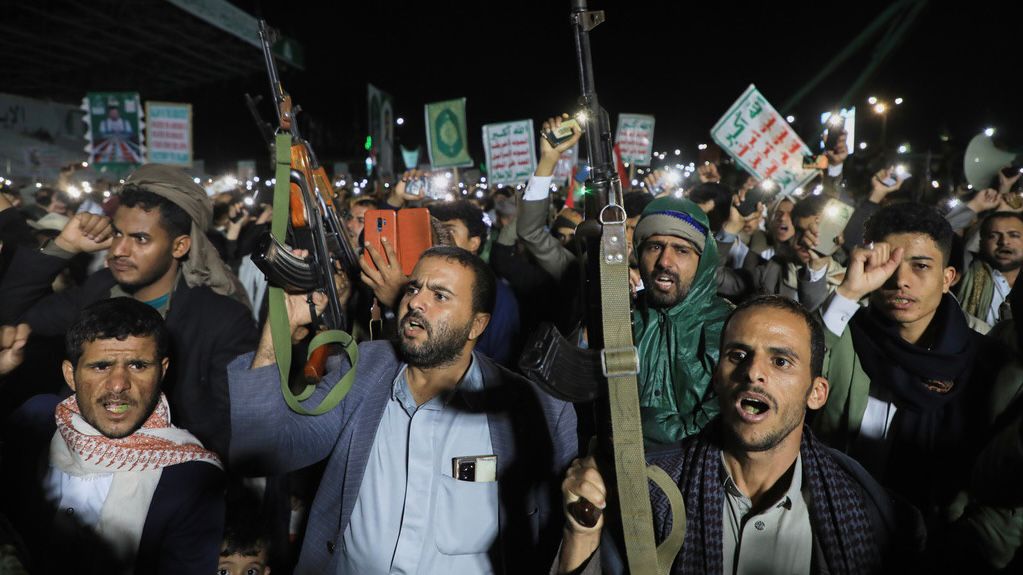
The conflict between the United States and Iran is widening, with Yemen’s Iran-aligned Houthi forces making significant advances along the country’s Red Sea coast, raising fresh concerns over global shipping and energy supplies.
On September 11, Houthi forces reportedly captured the strategic Perim Island in the Bab el-Mandeb Strait, along with the coastal town of Dhubab, after taking control of the key port of Mocha a day earlier. These developments strengthen the Houthis’ position at one of the world’s most important maritime chokepoints, connecting the Red Sea with the Gulf of Aden.
The escalation comes as shipping through the Strait of Hormuz remains severely disrupted amid the US-Iran confrontation. Vessel traffic through Hormuz has fallen sharply, increasing concerns over the movement of oil and other essential commodities.
Saudi Arabia has also faced pressure, with its East-West oil pipeline temporarily shut following a drone attack. The pipeline provides an alternative route for exporting Saudi crude when the Strait of Hormuz is inaccessible.
With both Hormuz and Bab el-Mandeb facing growing security threats, the conflict is increasingly developing into a major global energy and trade crisis. Oil prices have crossed $100 a barrel, while governments and markets are increasingly concerned about inflation, supply disruptions and the wider economic consequences of the escalating conflict.
Editors’ Note
A service-minded sádhaka can attain liberation merely by repeating naina mantra, but a Yoga who performs higher spiritual practices will attain nothing in the spiritual sphere if he or she shuns service.
If internal service is not rendered properly, true external service becomes impossible. Hence it has been said,
Atmamokśárthaḿ jagaddhitáya ca.
Individual salvation is also a service to humanity. Internal service (átmamokśártham) leads to fulfilment or immortality; external service (jagaddhitáya ca) leads to universal welfare. Thus both internal and external service have equal importance. External service purifies the mind, and with a pure mind one is more capable of rendering service to oneʼs iśt́a. Every sádhaka should render both types of service.Shrii Shrii Anandmurti ji
Bhágavata Dharma
30 December 1966 DMC, Jamalpur
THE END
.
.
.
.
August 29, 2026
Children
Smacking children could lead to lower GCSE grades, study suggests

London: Smacking or physically punishing children may be linked to poorer academic performance and increased risky behaviour during adolescence, according to a new study by researchers at University College London.
The researchers analysed data from around 19,000 children born in the UK between 2000 and 2002, examining their experiences of physical punishment during early childhood. For children in England, the study also compared educational records with national school data.
The findings showed that children who experienced physical punishment at the ages of three, five and seven were 5.7 percentage points more likely to miss the target of five GCSE passes, including English and mathematics, compared with children who had not been physically punished.
The study also identified behavioural concerns. Children who experienced physical punishment in early childhood were more likely to engage in risky behaviour towards others, including bullying and hitting, by the age of 14.
Researchers say the findings add to evidence that physical punishment does not benefit children and may be associated with harmful outcomes.
They are calling for England and Northern Ireland to prohibit physical punishment, following Scotland and Wales, where it is already illegal.
However, researchers stressed that the study was observational and therefore cannot prove that physical punishment directly causes poorer educational or behavioural outcomes.
https://www.bbc.com/news/articles/c2eyke83yz9o
Natural Calamity
Nepal Flash Floods Highlights: 584 Dead, 2,400 Missing As Nepal Intensifies Rescue Operations
Nepal Flood Disaster: Death Toll Rises as Thousands Remain Missing
Kathmandu: Nepal is facing one of its worst natural disasters in years after massive flash floods swept through areas near the Nepal-China border, killing hundreds and leaving thousands missing.
The floods struck the Bhote Koshi River region on August 26, devastating communities in Rasuwa, Nuwakot and Dhading districts. The disaster was triggered by a massive flow of ice, mud and water, with authorities linking it to a glacial collapse in the Himalayan region.
More than 579 people have been reported dead in Nepal, while Chinese authorities have confirmed additional deaths in Tibet, taking the combined toll to at least 584. Around 2,400 people remain missing, including hundreds of foreign nationals.
Nepal has mobilised more than 14,800 security personnel for rescue and relief operations. Thousands of people have been rescued, while helicopters and emergency teams continue searching remote and badly damaged areas.
India has also launched relief efforts, sending aircraft carrying essential supplies, medicines and a specialised rescue team to Kathmandu. At least 84 Indian nationals have been rescued, while hundreds remain unaccounted for.
The disaster has also affected thousands of children, with UNICEF estimating that about 17,000 children have been impacted.
Authorities have warned residents near rivers to remain vigilant after renewed flooding raised fears of further danger.
Nature
Vodun’s sacred role in saving West Africa’s mangroves

Cotonou: Ancient spiritual traditions are playing an important role in protecting mangrove forests in West Africa, particularly in Benin, where local communities associate the wetlands with the Vodun religion.
In parts of Benin, mangroves are traditionally protected by Zangbéto, a spiritual guardian in Vodun belief. Local traditions prohibit people from cutting trees in protected areas, with the belief that violating these rules could bring a curse.
These religious customs have helped preserve mangrove ecosystems that are increasingly threatened by human activities, including wood cutting and other forms of exploitation. Mangroves are vital to coastal communities because they provide habitat for fish and other wildlife, protect shorelines from erosion and storms, and store significant amounts of carbon.
The story highlights how traditional beliefs and community-based conservation can contribute to environmental protection. Rather than relying solely on government regulations or modern conservation programmes, local spiritual practices can give communities strong cultural reasons to safeguard natural resources.
As West Africa faces growing environmental pressures, conservationists are increasingly recognising the value of indigenous knowledge and cultural traditions. In Benin, the connection between Vodun beliefs and mangrove protection demonstrates how religion, culture and environmental conservation can work together to protect fragile coastal ecosystems for future generations.
https://news.mongabay.com/video/2026/05/voduns-sacred-role-in-saving-west-africas-mangroves/
Agriculture
Insights from Genesys: Over 120 Years of Crop Collecting in Under 40 Seconds

Germany: A new animation offers a rapid visual journey through more than 120 years of global efforts to collect and conserve crop diversity.
The 38-second animation uses data from Genesys, a global online platform for crop-diversity information, to map locations where traditional crop varieties, known as landraces, were collected between 1900 and 2025.
As the animation progresses, dots spread across countries and continents, showing how the geographical reach of crop-collecting missions has expanded over the decades. Collection activity increased significantly from the 1970s, reflecting growing international efforts to conserve agricultural biodiversity.
The data shows that collecting continues today, with landraces collected between 2010 and 2025 across Africa, Asia, Europe and Latin America.
However, the map does not provide a complete picture. Genesys contains more than 970,000 landrace records, but only about 228,000 have both a valid collection year and geographical coordinates. Missing, inaccurate or undigitised information means some areas may appear blank even though crop varieties were collected there.
The analysis highlights the importance of accurate genebank records in identifying gaps in crop conservation and guiding future collecting missions. Better data could help protect valuable genetic resources that are essential for developing resilient agriculture and strengthening global food security.
Technology
Meta’s $18 billion settlement puts TikTok and YouTube on notice. Who’s next on the firing line?

Meta’s $18 Billion Teen-Safety Deal Puts TikTok, YouTube and Snap Under Pressure
Washington: Meta has agreed to pay up to $18 billion to settle claims by U.S. states that Facebook and Instagram were designed to keep children and teenagers hooked, while introducing sweeping new safety measures for young users.
Under the agreement, Meta will impose a default two-hour daily usage limit on teenage accounts, restrict access between midnight and 6 a.m., disable notifications during school hours and introduce stronger age-verification measures. Like counts will also be hidden by default, while other features aimed at reducing excessive or harmful use will be introduced gradually.
Meta has denied wrongdoing but agreed to the changes to resolve the legal battle. About $12.7 billion of the settlement is guaranteed over 10 years, while roughly $5 billion depends on rival platforms adopting comparable safeguards.
That provision has put TikTok, YouTube and Snap under increasing pressure. Meta is publicly urging the companies to adopt similar restrictions, arguing that teenagers can easily move between different social-media platforms and that safety measures will be less effective if only one company implements them.
The settlement could therefore have consequences far beyond Meta, potentially establishing a new industry-wide approach to protecting young people online.
The companies face continuing legal and regulatory scrutiny over allegations that their platforms encourage excessive use and can harm children’s wellbeing.
https://www.cnbc.com/2026/08/29/meta-settlement-tiktok-youtube-snap-teen-safety.html
Health care
World’s first patient to undergo live AI-assisted brain surgery has tumour removed
World’s First Live AI-Assisted Brain Surgery Successfully Removes Tumour
London: In a major breakthrough for medical technology, surgeons have successfully removed a brain tumour from a patient using artificial intelligence that provided live assistance during the operation.
Rhys Hibbert, a 48-year-old father of two from Bedfordshire, became the first patient to undergo this type of surgery. His tumour was located close to the optic nerves and important blood vessels, putting his eyesight at serious risk.
During the operation at University College London Hospital, an AI system analysed live video from the surgical camera. It identified areas where critical blood vessels and nerves were likely to be located, effectively giving surgeons an additional set of highly trained “eyes” during the delicate procedure.
The AI had been trained using hundreds of surgical videos and was designed to recognise structures that can be difficult to distinguish during an operation. Surgeons remained responsible for making all medical decisions, with the technology serving only as an assistant.
The operation successfully removed the tumour, and Hibbert’s vision and energy subsequently improved.
Researchers believe the technology could eventually become a powerful tool for surgeons performing complex operations. However, further testing will be needed to establish how reliably AI can assist doctors and how it can be safely introduced into routine medical care.
https://www.bbc.com/news/articles/cjwg5n7y68xo
Space
What time will SpaceX launch NASA’s Roman Space Telscope on Aug. 30? (Full mission timeline)

SpaceX to Launch NASA’s Roman Space Telescope on Sunday
Florida: SpaceX is preparing to launch NASA’s Nancy Grace Roman Space Telescope aboard a powerful Falcon Heavy rocket on Sunday, August 30, in a mission expected to transform astronomers’ understanding of the universe.
The launch is scheduled for 7:26 a.m. EDT (11:26 GMT) from Launch Complex 39A at NASA’s Kennedy Space Center in Florida. The telescope is designed to conduct enormous surveys of the cosmos, helping scientists investigate dark energy and dark matter, discover planets beyond our solar system and map billions of galaxies.
The Falcon Heavy’s three first-stage boosters will power the rocket during the early part of the flight. The two side boosters are expected to separate and land back at Cape Canaveral about seven minutes after liftoff.
The entire launch sequence will take approximately 31 minutes and 31 seconds, after which Roman will separate from the rocket and begin its journey toward a stable location in space known as Lagrange Point 2, about 1.5 million kilometres from Earth.
NASA will begin its live webcast about an hour before launch. If weather or other technical issues prevent Sunday’s launch, another opportunity is available on August 31 at 7:22 a.m. EDT.
The mission marks a major step in NASA’s effort to explore the universe on an unprecedented scale.
Politics
Harald V, Norway’s King as Tradition and Modernity Collided, Dies at 89

Oslo: Norway is mourning the death of King Harald V, who passed away on Friday, August 28, at the age of 89 after more than three decades on the throne. The Royal Court said the king died peacefully at Oslo University Hospital while receiving treatment for a bacterial blood infection.
Harald became king in 1991 following the death of his father, King Olav V. During his 35-year reign, he helped modernise Norway’s monarchy and became known for his warmth, humility and close connection with ordinary citizens.
Born in 1937, Harald was the first Norwegian-born monarch in nearly 600 years. During the Second World War, he spent several years in the United States with his family after the German invasion of Norway. He later studied in Norway and Britain and represented the country in Olympic sailing competitions.
The king earned widespread respect for his response to national tragedies, particularly the 2011 attacks that killed 77 people. His speeches calling for unity, tolerance and openness strengthened his image as a unifying national figure.
Following his death, his son Crown Prince Haakon automatically became King Haakon VIII. Norway has entered a period of national mourning, with citizens gathering outside the Royal Palace in Oslo to pay tribute to the popular monarch.
https://www.nytimes.com/2026/08/28/world/europe/king-harald-v-dead.html
Economy
Inside India : U.S., Russia vie for a bigger slice of the world’s third-largest energy market

India’s Oil Balancing Act Between the U.S. and Russia
New Delhi: India is facing a difficult balancing act as tensions over its purchase of Russian oil reshape its relations with the United States and influence global energy markets.
India has become one of the largest buyers of Russian crude since the Ukraine war, taking advantage of discounted supplies. The purchases have helped Indian refiners secure relatively inexpensive energy while supporting the country’s growing fuel demand.
However, Washington has increasingly criticised India’s continued imports of Russian crude and has used tariffs and other economic pressure to push New Delhi to reduce its dependence on Moscow. The dispute has created uncertainty for Indian refiners and could alter the flow of crude oil across global markets.
Analysts say replacing Russian supplies would not be straightforward. India would need to source more crude from countries in the Middle East, the United States and other producers, potentially at higher prices. A significant shift in Indian buying patterns could also affect global crude prices and shipping routes.
At the same time, Russia remains an important energy partner for India, offering competitive prices and long-established commercial ties.
The situation highlights India’s broader strategy of maintaining strategic relations with both Washington and Moscow while protecting its energy security and economic interests. How New Delhi manages this three-way relationship could have wider consequences for global oil markets.
https://www.cnbc.com/2026/08/27/india-us-russia-energy-oil-market.html
War
Over 200,000 people newly displaced in Sudan’s Kordofan as fighting rages
More Than 200,000 People Displaced by Fighting in Sudan’s Kordofan
Khartoum: More than 200,000 people have been newly displaced in Sudan’s Kordofan region as intense fighting between the Sudanese Armed Forces (SAF) and the paramilitary Rapid Support Forces (RSF) continues to deepen the country’s humanitarian crisis.
The latest wave of displacement has been driven by heavy fighting across parts of North, South and West Kordofan. Civilians have been forced to abandon their homes as the two rival forces battle for control of strategically important towns and supply routes.
Humanitarian organisations say many displaced families are arriving in already overcrowded areas with limited access to food, clean water, shelter and medical services. Aid operations are also being hampered by insecurity, damaged infrastructure and difficulties reaching affected communities.
The renewed fighting comes as Sudan remains engulfed in a conflict that began in April 2023. The war has killed large numbers of people and forced millions from their homes, creating one of the world’s largest displacement crises.
Kordofan has become a key battleground because of its location between the capital, Khartoum, and the western region of Darfur. Control of the area could provide the rival forces with important strategic and logistical advantages.
The latest displacement has raised fears that the humanitarian situation will deteriorate further unless fighting is reduced and safe humanitarian access is established. International organisations continue to call for protection of civilians and an urgent end to the violence.
Editors’ Note
One who has lost the dharma of movement is virtually dead. The true nature of a living being is dynamism. Staticism is the sign of death. Hence one who has lost dynamism, oneʼs rhythm of progress degenerates, and they gradually lose their human qualities. Ultimately they regress towards animality, steeped in vice. So do not be like Jad́a-Bharata, that is, an inanimate object. The only aim of your life should be to move ahead. So go on working; fulfill your responsibilities by working, and continue working, even while dying.
Shrii P R Sarkar
Action Leads to Progress
11 July 1979, Patna
Published in:Ananda Marga Karma Sannyása in a Nutshell [a compilation]
Ánanda Vacanámrtam Part 13

THE END
August 22, 2026
Children
The lost generation: Children in the Sudan crisis
Millions of children in Sudan are facing a deepening humanitarian crisis as the conflict that began in April 2023 continues to disrupt their education, health and family life. More than four million children have been displaced, while many have been separated from their parents, siblings or other relatives.
Education has been severely affected. Around 90 per cent of Sudanese students are unable to attend school, with millions of children missing hundreds of days of education. The prolonged disruption threatens to increase illiteracy and reduce future employment opportunities, particularly for girls, who face especially high levels of exclusion from education.
Hunger is another major concern. More than four million children are facing high levels of malnutrition, while millions of families struggle to obtain enough food. Displacement has also deprived children of safe spaces to play and learn, adding to the psychological and social impact of the conflict.
Humanitarian organisations are providing emergency food, healthcare, safe water and child-protection services. However, continued international support is urgently needed to protect children and help restore access to education.
For Sudan’s children, the conflict has turned everyday childhood experiences—school, family life, safety and play—into uncertain and often unattainable hopes.
https://www.worldvision.ca/en/stories/children-in-sudan-crisis-how-to-help-children-in-sudan
Healthcare
WHO and Africa CDC welcome the allocation of Ebola vaccines to the Democratic Republic of the Congo

The Democratic Republic of the Congo (DRC) will receive 70,000 doses of the Ervebo Ebola vaccine as authorities step up efforts to contain a rapidly spreading outbreak of Bundibugyo virus disease.
The International Coordinating Group on Vaccine Provision approved the immediate release after the DRC government requested vaccines from the global Ebola stockpile. Of the 70,000 doses, 20,000 will be used in a Phase 3 clinical trial to determine whether the vaccine can protect against the Bundibugyo virus. The remaining 50,000 doses will be provided to frontline and healthcare workers.
Ervebo is licensed for protection against the Zaire strain of Ebola, but it is not known whether it protects people against the Bundibugyo virus. Early laboratory and animal studies suggest it could offer some protection. The clinical trial is therefore expected to provide important evidence for future vaccination policies.
The World Health Organization and Africa Centres for Disease Control and Prevention welcomed the allocation and stressed the importance of protecting affected communities through a community-led response.
Health authorities will also ensure that people receiving the vaccine are informed about its potential benefits, risks and limitations before giving consent. The organisations said the effort aims to save lives while generating evidence to strengthen preparedness for future Ebola outbreaks.
Politics
Migrants flown to Equatorial Guinea after resisting Liberia deportation under Trump deal, sources say

Five migrants whom the United States attempted to deport to Liberia were instead flown to Equatorial Guinea after refusing to leave the aircraft in Monrovia, according to sources familiar with the incident.
The five migrants—three Cubans, one Brazilian and one Cameroonian—were among people being removed under a new US agreement with Liberia. After resisting deportation to Liberia, they were transported to Malabo, the capital of Equatorial Guinea, where they were reportedly forced to leave the plane.
The incident highlights growing concerns over the Trump administration’s policy of sending migrants to countries other than their own. Under the agreement, Liberia has agreed to accept up to 1,200 migrants from various nationalities who cannot be returned to their home countries because of legal or humanitarian concerns.
The five migrants are now among about 40 people reportedly being detained in Equatorial Guinea following similar US transfers. Human rights organisations have raised concerns about conditions at the detention facility, including limited access to medical care and legal assistance.
US officials have defended the deportation programme, while rights groups have criticised the practice. The Liberian and Equatorial Guinean governments have not publicly commented on the latest transfers.
Agriculture
European farmers face ‘unprecedented crisis’ after successive heatwaves

Farmers across Europe are facing an “unprecedented crisis” as successive heatwaves and severe drought damage crops, reduce livestock production and threaten food supplies. Vegetable and grain producers have been particularly badly affected, with several countries reporting sharp falls in harvests.
In France, vegetable production has dropped substantially. Some crops, including courgettes, lettuce, peas and broccoli, have recorded losses ranging from 25% to 60%, while artichoke production has fallen by as much as 100% in some areas. The country’s maize harvest is expected to be about 35% lower than in 2025.
Livestock farmers are also struggling. High temperatures are causing heat stress among dairy cows, with milk production falling by 10% to 15% in some areas. Hay production for winter cattle feed is around 30% below the long-term average.
Italy has been severely affected, with drought impacting about 60% of its farmland. Crops including rice, corn and soya have suffered major losses, while the agricultural sector faces billions of euros in damage.
Spain is reporting significant declines in cereal harvests and expects wine production to fall by around 20%.
Governments are responding with emergency assistance. France has announced €145 million in immediate support for farmers, while European producers are increasingly calling for long-term measures to adapt agriculture to a hotter and drier climate.
Social
Portugal Bans Full-Face Veils in Public Spaces

Portugal has enacted a law banning face coverings in public spaces, a measure widely seen as particularly affecting Muslim women who wear full-face veils such as the niqab or burqa.
President António José Seguro signed the legislation after it was approved by parliament. The law prohibits clothing or other means of concealing the face or preventing identification in public areas. It also bans forcing another person to cover their face because of gender, religion, age or origin.
Violators can face fines ranging from €150 to €3,000. The legislation includes exemptions for health, professional, artistic and weather-related reasons. Face coverings will also be permitted in places of worship, diplomatic missions and on aircraft.
Supporters of the law argue that keeping the face visible is important for communication, social integration, public security and gender equality. The Portuguese presidency has said that the face is central to personal identity and social interaction.
The measure has also sparked criticism from those concerned about religious freedom and individual rights. Critics argue that, although the law applies broadly to face coverings, its practical impact will fall disproportionately on Muslim women who choose to wear the niqab or burqa.
Portugal has now joined several European countries that restrict or prohibit full-face coverings in public spaces.
Technology
Ex-Google chief scientist tells Gen Z the trick is not to master AI—instead, just ‘skim papers’

Former Google chief scientist Jeff Dean has advised young people entering the artificial intelligence field not to try to master every new AI development. Instead, he recommends reading widely and quickly to understand emerging ideas and identify connections between them.
Dean, who recently left Google after 27 years, shared the advice during his first public talk since leaving the company. He said students could benefit more from skimming several research papers than studying a single paper in great detail.
According to Dean, exposure to a large number of ideas can help researchers recognise connections that others may overlook. In the rapidly changing AI field, where new models and research appear almost daily, trying to understand everything in depth can consume valuable time.
Dean also urged young researchers to choose problems with realistic but ambitious timelines. A problem that may take 20 years to solve could be too difficult without a clear approach, while one that can be solved in only two years may not offer enough scope for a major breakthrough.
He suggested that problems requiring around five years of sustained effort may provide a better balance. Dean also encouraged young innovators to experiment, accept failure and keep exploring new ideas as they develop their careers in the fast-changing field of artificial intelligence.
Space
Spectral lines’ and a giant plume: what science saw when the SpaceX rocket hit the moon
A discarded SpaceX rocket stage has crashed into the Moon at a speed of about 8,690 km/h, creating a large plume of lunar dust and giving scientists an unusual opportunity to study an artificial impact on the lunar surface.
The European Southern Observatory’s Very Large Telescope in Chile detected chemical signatures in the plume, including sodium and lithium. The spectral signals remained visible for around five to 10 minutes, while the dust plume is believed to have stretched tens of kilometres. Scientists say the sodium likely came from lunar soil, while the lithium may have originated from the rocket itself.
The four-tonne rocket stage struck the Moon near the boundary between its illuminated and shadowed sides. Although several spacecraft were orbiting the Moon, none was positioned to capture the collision directly. NASA’s Lunar Reconnaissance Orbiter and South Korea’s Pathfinder Lunar Orbiter are expected to photograph the impact site later.
Astronomers estimate that the collision may have created a crater around 20 metres wide and five metres deep. Scientists say studying the impact could improve understanding of lunar debris hazards and help prepare for future human activity on the Moon.
https://www.theguardian.com/science/2026/aug/06/spacex-rocket-crash-into-moon-impact
Environment
Bali Launches Efforts to Bring Back Its Vanishing Fireflies

Bali is taking steps to restore its disappearing firefly populations, hoping to bring back the magical nighttime displays that once lit up parts of the Indonesian island. The effort comes as habitat loss, artificial lighting, pesticides and changes in agricultural practices have contributed to declining firefly numbers.
Fireflies depend on clean water, vegetation and dark, undisturbed environments. Their disappearance is therefore considered a warning sign of wider ecological damage. Conservationists and local communities are working to improve habitats by protecting wetlands, planting native vegetation and reducing the use of harmful chemicals.
One important focus is restoring traditional agricultural landscapes and waterways, which can provide suitable conditions for fireflies to breed and feed. Reducing excessive artificial light is also essential because bright lights can interfere with the insects’ natural flashing signals, which they use to communicate and find mates.
The restoration effort is not only aimed at protecting a beautiful natural phenomenon. Fireflies are part of a wider ecosystem and their return could indicate improvements in environmental health.
For Bali, where tourism places increasing pressure on natural habitats, the project also offers a reminder that conservation and local livelihoods can work together to protect the island’s unique natural heritage.
https://www.nytimes.com/2026/08/12/world/asia/bali-restore-fireflies.html
Economy
UAE Halts Trade With Iran After Missile Incident

The United Arab Emirates has suspended all trade, commercial exchanges and financial transactions with Iran, sharply escalating tensions between the two Gulf neighbours. The decision came after the UAE accused Iran of launching two ballistic missiles towards its territory.
The UAE said the missiles were detected on Tuesday and were aimed at maritime traffic. One missile fell inside Emirati territorial waters, while the other landed in the sea outside them. Iran has denied launching a missile attack on the UAE and rejected the accusation as unfounded.
The suspension is significant because the UAE has long been one of Iran’s most important trading partners and a major commercial gateway for Iranian businesses. Dubai has historically served as a key hub for Iranian imports and exports, despite political tensions between the two countries.
The move comes amid a wider conflict involving Iran, the United States and Israel, with increasing pressure on Tehran over its military activities and the Strait of Hormuz. The UAE has also faced attacks on vessels linked to its energy sector.
Iranian officials have warned Gulf countries against assisting US military operations, saying such support could make them participants in the conflict. The latest developments raise fears of further regional escalation and disruption to trade and shipping.
https://www.nytimes.com/2026/08/19/world/middleeast/uae-cuts-trade-ties-iran-missiles.html
War
Israel re-establishes closed West Bank settlement, defying growing international protests

A new group of Israeli settlers has returned to Kadim, a former Jewish settlement in the occupied West Bank, 20 years after it was evacuated by the Israeli government.
Thirty “pioneer families” arrived at the site near the Palestinian city of Jenin, accompanied in some cases by military escorts. Their return follows the Israeli government’s decision to overturn a long-standing ban on Jewish settlement in the area.
Kadim was among four northern West Bank settlements evacuated in 2005 under Israel’s unilateral disengagement plan. The others—Ganim, Sanur and Homesh—have also since been reopened. The government has approved more than 100 new settlements across the West Bank since taking office in late 2022, including 19 in the northern region.
Senior Israeli officials, including Finance Minister Bezalel Smotrich and Knesset Speaker Amir Ohana, attended the ceremony marking the reopening. Smotrich described the move as correcting the expulsion of settlers two decades ago.
Palestinian residents have expressed fear over the expansion. Farmers and families living near the new settlements say they face increased restrictions, surveillance and pressure on their land.
The development has intensified concerns over settlement expansion, land seizures and rising tensions in the West Bank, where Palestinian communities fear further displacement and restrictions on movement.
https://www.bbc.com/news/articles/cn7n0l4p0kzo
Editors’ Note
It is not proper that one person will snatch away the morsels of food from the mouths of others. So there has been a need to introduce a system where all human beings would distribute the entire wealth among the collective body in a collective way. Unfortunately, no great person ever did this in the past, nor did even the advent of the Supreme Liberator do it. It was not done, therefore the problems and difficulties in collective life have continued. Because of these shortcomings, human life is full of pain and misery.
Now the time has come when this has got to stop. How can we allow such a thing to continue? When human beings are predominantly intellectual beings, why will such a major lacuna be allowed to perpetuate itself for days and months on end, for years and centuries together? Such a thing must not be allowed to continue.
Shrii P R Sarkar
Why Prout Philosophy have been created

August 15, 2026
Childcare
Denmark’s ‘hands‑off’ approach to parenting could offer a blueprint for raising more resilient, self‑reliant kids

Denmark’s ‘Hands-Off’ Parenting May Help Raise Resilient, Self-Reliant Children
Copenhagen, August 15, 2026: Denmark’s relatively independent approach to parenting is attracting attention for its potential to help children become more resilient and self-reliant. Psychologist Marie Helweg-Larsen suggests that instead of constantly protecting and directing children, parents can give them opportunities to explore, make decisions and face manageable challenges within safe boundaries.
A key feature of Danish parenting is unstructured play, in which children create their own games and rules. This encourages them to negotiate with other children, resolve minor conflicts and find solutions independently, helping develop creativity, cooperation and decision-making skills.
The approach also emphasizes “risky play.” Activities such as climbing, cycling, swimming or learning to use tools under appropriate supervision can help children understand their limits and develop confidence in dealing with uncertainty, frustration and failure. The idea is not to expose children to serious danger, but to allow them to experience manageable risks.
Danish parents often view children as capable individuals, offering guidance when necessary rather than solving every problem for them. However, experts caution that excessive permissiveness can also have negative consequences.
The central lesson is simple: protect children, but also give them the freedom and responsibility they need to learn, grow and become independent.
Healthcare
Tracking U.S. Measles: Cases Reach 35-Year High in 2026

The United States is facing its worst measles outbreak in more than three decades, with 2,566 confirmed cases reported as of August 13, 2026. The figure has already surpassed the 2,289 cases recorded during the whole of 2025.
The country has reported 38 measles outbreaks so far this year, with most confirmed cases linked to outbreaks. The majority of patients were either unvaccinated or had an unknown vaccination status, raising concerns over declining vaccination coverage in some communities.
Children and young people are particularly affected. About 20 percent of cases involve children aged five or younger, while 68 percent involve children and young adults up to age 19. Seven percent of patients have required hospitalization.
Measles was declared eliminated in the United States in 2000 after decades of successful vaccination efforts. However, vaccination coverage among kindergarten children has fallen below the 95 percent level considered necessary to prevent outbreaks, with some communities reporting significantly lower coverage.
Health officials warn that continued outbreaks could threaten the country’s long-standing measles elimination status. The resurgence highlights the importance of maintaining high vaccination coverage to protect children and vulnerable communities.
The outbreak is a reminder that diseases once brought under control can return when vaccination rates decline, making sustained public-health efforts essential.
https://www.usnews.com/news/health-news/articles/tracking-the-2026-u-s-measles-outbreaks
Agriculture
Hinggan League Agricultural, Cultural and Tourism Consumption Carnival Opens in Beijing

Beijing, August 14, 2026: The Hinggan League Agricultural, Cultural and Tourism Consumption Carnival was held in Beijing under the theme “Taste the Best of Hinggan, Discover the Grasslands in Beijing.” The event showcased the region’s agricultural and livestock products while promoting its cultural and tourism potential.
The carnival brought together buyers, tourism professionals and media representatives to explore Hinggan League’s efforts to combine ecological resources, modern agricultural technology and full-chain industrial development. Business matchmaking, product tastings and new tourism routes were among the highlights.
Beef cattle and rice were the major attractions. Hinggan League has developed an integrated beef industry covering breeding, forage production, cattle raising, processing and branding. The region produces more than 5.5 million doses of high-quality cattle semen annually, while crop straw is processed into animal feed to reduce feeding costs.
The rice sector is similarly being developed from seed to market. Local research teams have developed 21 high-quality rice varieties, while cooperatives are adopting unified planting, processing and marketing systems.
The region is also promoting water-efficient farming. Drip irrigation and fertigation technology has enabled rice cultivation on dry land while saving up to 700 cubic metres of water per mu.
The initiative aims to turn ecological and agricultural advantages into stronger brands, higher rural incomes and sustainable regional development.
https://www.google.com/search?q=Hinggan+League+Agricultural+Carnival
Natural Calamity
Powerful 7.7-Magnitude Earthquake Strikes Indonesia’s Flores Island

A powerful magnitude 7.7 earthquake struck off the coast of Indonesia’s Flores Island early Saturday, August 15, killing at least 47 people and damaging or destroying numerous buildings, according to Indonesian authorities.
The earthquake occurred at a shallow depth of around 10 kilometers, making it particularly capable of causing severe damage. The epicenter was located off the northern coast of Flores, near Ende in East Nusa Tenggara province. Strong shaking caused buildings to collapse, landslides and power outages, while rescue operations were hampered by damaged roads and communication disruptions.
Indonesia’s Meteorology, Climatology and Geophysics Agency issued a tsunami warning for several provinces, urging residents in coastal areas to move to safer locations. The warning was lifted about three hours later after only relatively small tsunami waves were recorded.
The main earthquake was followed by numerous aftershocks, including tremors exceeding magnitude 6. Thousands of residents were evacuated, while emergency teams began searching damaged buildings for survivors.
Indonesia lies along the Pacific “Ring of Fire,” one of the world’s most seismically active regions. The disaster has renewed concerns about the country’s vulnerability to major earthquakes and tsunamis.
Politics
South Korea’s Lee urges talks with North Korea to replace armistice with peace

South Korean President Lee Jae Myung has called for renewed dialogue with North Korea, saying practical mechanisms are needed to manage tensions and prevent accidental clashes from escalating into conflict.
Speaking on August 15 during a ceremony marking Korea’s liberation from Japanese colonial rule, Lee said South Korea should pursue peaceful coexistence with the North and work toward establishing a peace regime to replace the armistice that has kept the Korean Peninsula in a state of truce since the 1950–53 Korean War.
Lee said dialogue should address major security concerns, including North Korea’s nuclear programme. His approach reflects his government’s efforts to reduce military tensions and reopen channels of communication with Pyongyang.
However, prospects for immediate engagement remain uncertain. North Korean leader Kim Jong Un has rejected South Korean proposals for reunification and increasingly described South Korea as a hostile state. Pyongyang has also criticised joint military exercises involving South Korea and the United States.
Tensions remain significant as Seoul and Washington prepare for their annual Ulchi Freedom Shield military exercises. North Korea has condemned the drills as provocative and warned that it will strengthen its nuclear deterrence.
Lee’s call highlights Seoul’s attempt to combine strong defence preparedness with diplomatic efforts to prevent renewed conflict on the Korean Peninsula.
Wild life
Scientists Discover Wild Honey Bees Follow Their Own Personal Flight Routes
Scientists have discovered that wild honey bees are far more individualistic in their behaviour than previously believed. A study by researchers at the University of Freiburg found that individual bees develop their own preferred flight routes and repeat them with remarkable precision.
The researchers used a drone-based tracking system to follow bees in real time. Tiny reflective markers were attached to 25 bees, allowing a multicopter drone equipped with an onboard computer to track their movements accurately.
Over three weeks, the scientists recorded 255 flights between a hive and a food source located about 120 metres away. The bees had several possible routes around trees and hedges, but they did not choose randomly. Individual bees repeatedly followed the same paths, often flying within centimetres of their previous routes.
The researchers found that landmarks such as trees, hedgerows and gaps in vegetation helped the bees maintain their precise routes. Different bees developed different preferences, suggesting that their navigation is influenced by individual learning and experience.
The findings challenge the traditional view of honey bees as largely interchangeable members of a colony. Instead, each bee appears capable of developing its own spatial memories and travel habits, revealing a surprisingly personal side of insect behaviour.
https://scienceblog.com/wild-honey-bees-personal-flight-routes/
Technology
Amazon’s Zoox Expands Robotaxi Production in California

Amazon-owned autonomous vehicle company Zoox is expanding its robotaxi manufacturing operations with a new production facility in Hayward, California. The 220,000-square-foot plant is designed to significantly increase production as the company prepares to expand its driverless ride-hailing services in the United States.
Zoox plans to produce up to 10,000 all-electric, fully autonomous vehicles annually at the facility by 2027. The company currently produces about one robotaxi per day but aims to increase output to approximately three vehicles per hour during 2026.
The expansion comes as competition in the robotaxi industry intensifies. Zoox is preparing to compete with Waymo, which already operates commercial autonomous ride-hailing services in several US cities. Tesla is also developing its own robotaxi operations.
Unlike companies that modify existing vehicles for autonomous driving, Zoox has designed its robotaxis specifically for driverless transportation. The vehicles have a distinctive box-like design and feature seating arrangements intended to make journeys more comfortable for passengers. They include amenities such as Wi-Fi, climate controls and music.
Zoox was acquired by Amazon in 2020 and has since invested heavily in autonomous transportation technology. The company plans to expand its public robotaxi services as it increases production capacity, marking a significant step in Amazon’s ambitions to establish a presence in the rapidly developing autonomous transportation market.
Economy
Iran looks to ramp up economic alliance with BRICS nations as war with U.S. drags on

Iran Moves Toward BRICS Development Bank Membership
Iran is moving closer to joining the New Development Bank (NDB), the financial institution established by the BRICS group of emerging economies, as Tehran seeks new sources of economic support amid severe pressure from sanctions and war.
Iranian Central Bank Governor Abdolnaser Hemmati said the country would soon become a member of the BRICS development bank. The announcement came ahead of a meeting of BRICS finance ministers and central bank governors in India.
Membership in the NDB could provide Iran with greater access to financing for infrastructure and development projects while strengthening its economic relationships with major emerging economies, including China, India, Russia, Brazil and South Africa.
Iran joined the BRICS group in 2024 and has increasingly sought to deepen financial and trade cooperation with member countries. Tehran is also interested in expanding the use of national currencies in international trade, potentially reducing its dependence on the US dollar.
The move comes at a difficult time for Iran’s economy. Years of international sanctions have restricted the country’s access to Western financial institutions and global capital markets. The ongoing conflict with the United States and Israel has added further economic pressure, including inflation, currency weakness and declining growth.
However, the New Development Bank has not yet officially confirmed Iran’s membership. Iran would still need to complete the formal admission process before becoming a full member.
https://www.cnbc.com/2026/08/13/iran-war-brics-bank.html
Middle East
Lebanon parliament votes to abolish death penalty

Lebanon’s parliament has voted to abolish the death penalty, marking a significant step toward ending capital punishment in the country. The move could make Lebanon one of the first countries in the Middle East to formally eliminate the death penalty from its legal system.
The proposal received majority support from lawmakers, although the Hezbollah bloc opposed the measure. The legislation still requires approval from the Lebanese government and President Joseph Aoun before it can become law.
Lebanon has not carried out an execution since 2004, but courts have continued to issue death sentences. Dozens of prisoners remain on death row, meaning the proposed change could affect a substantial number of people already facing capital punishment.
Under the proposed legislation, the death penalty would be replaced by life imprisonment, potentially combined with hard labour. Supporters argue that abolishing executions would strengthen human rights protections and bring Lebanon closer to international efforts to end capital punishment.
The proposal comes as Lebanon continues to face serious economic and institutional challenges, including overcrowded prisons and limited public resources. Implementing longer prison sentences could therefore create additional pressure on the country’s correctional system.
The parliamentary vote represents an important development in Lebanon’s long-running debate over capital punishment and could significantly reshape the country’s criminal justice system if the measure receives final approval.
https://www.bbc.com/news/articles/c8enj8p1xwgo
War
Netanyahu’s rejection of Trump’s 15-point Gaza plan unlikely to be final word

Israeli Prime Minister Benjamin Netanyahu has rejected a 15-point Gaza peace proposal put forward by US President Donald Trump’s administration, creating fresh uncertainty over efforts to end the conflict and establish a lasting political settlement.
Netanyahu’s opposition comes as Israel faces intense domestic political pressures. His position reflects concerns over security, the future administration of Gaza and the demands of his political supporters. However, US officials have indicated that Netanyahu’s comments may not necessarily end discussions over the proposal.
The Trump administration continues to view the plan as a possible framework for negotiations. Washington is seeking to maintain diplomatic momentum and encourage further discussions between the parties despite the Israeli government’s reservations.
The proposal addresses several major issues surrounding the Gaza conflict, including security arrangements, humanitarian assistance, governance and the future of the territory. Reaching an agreement would require compromises on highly sensitive questions, particularly over Israel’s security concerns and the political future of Gaza.
Netanyahu is also under pressure over the war, including demands concerning the release of hostages and growing international scrutiny of Israel’s military operations.
The rejection highlights the significant political and diplomatic obstacles facing any attempt to end the Gaza conflict. Whether negotiations can continue will depend on the ability of Washington and regional partners to bridge differences between the Israeli government and other parties involved.
https://www.bbc.com/news/articles/ce3q5282ep3o
Editors’ Note
Today human beings, to whatever country they may belong, should, on the one side, propagate an anti-exploitation sentiment (exploitation does not mean exploitation in the economic sphere only, it includes all sorts of exploitation), and form strong nations in their respective countries; and, on the other side, preach the theory of one spiritual inheritance – that every living being is the child of the Supreme Entity, and that all the people of all nations belong to the same family. This will have to be explained to all, that there will be clash among different nations as long as national feelings exist. People may talk of disarmament, but military preparation will go on underground. And if people dedicate themselves to the welfare of the entire human race, their respective nations will also be benefited indirectly because their nations are not outside the universe!
Shrii P R Sarkar
To the Patriots
1 January 1960, Jamalpur

THE END
August 8, 2026
Education
New global estimates reveal 258 million children affected by crises as learning losses threaten an entire generation

A new global report by Education Cannot Wait (ECW), the United Nations’ global fund for education in crises, has revealed that an estimated 258 million school-aged children and adolescents worldwide are affected by crises. The findings highlight a growing global education emergency caused by conflict, displacement, climate-related shocks and other crises.
Of the 258 million affected children, around 93 million are completely out of school, while millions more remain enrolled but struggle to learn in difficult circumstances. The report warns that learning gaps are widening, particularly in foundational reading and mathematics skills.
The crisis is particularly severe in countries experiencing prolonged humanitarian emergencies. About 182 million crisis-affected children live in 20 countries facing the highest levels of crisis, including 74 million who are out of school. These countries account for nearly 80% of all out-of-school children affected by crises.
The number of children affected by crises has increased by 21 million in just 18 months, demonstrating the rapidly worsening global education situation.
The report calls for greater international investment in education to prevent an entire generation from losing essential learning opportunities and future prospects. It stresses that protecting education during crises is not only a humanitarian responsibility but also essential for building peaceful, resilient and prosperous societies.
History
Severe Drought Exposes Dozens of World War II Shipwrecks in Serbia

Severe drought and prolonged extreme heat have caused water levels in the Danube River to fall dramatically, revealing the remains of dozens of German World War II warships near the Serbian town of Prahovo. The vessels were part of Nazi Germany’s Black Sea fleet and were deliberately sunk in the Danube in 1944 as German forces retreated from advancing Soviet troops.
The receding waters have brought the rusty wrecks back into view after remaining submerged for more than eight decades. Some of the ships are believed to still contain unexploded explosives and ammunition, creating serious hazards for navigation and nearby communities. The wrecks are particularly problematic because this section of the Danube is an important international transportation route connecting several European countries.
The unusually low water levels are also disrupting commercial shipping. Barges and tankers are being forced to reduce their cargo loads significantly, affecting the movement of fuel and other essential goods. Reduced river transport capacity is adding pressure to regional supply chains.
The situation highlights the wider consequences of Europe’s worsening drought. Falling river levels are affecting transportation, energy production, agriculture and industry across the continent. The emergence of the wartime wrecks provides a striking reminder of how extreme environmental conditions can uncover hidden historical hazards while disrupting modern economic activity.
https://www.nytimes.com/2026/08/07/world/europe/danube-germany-ships-serbia.html
Unemployment
German Carmakers Flood Job Market With Managers Amid Major Restructuring
Germany’s major carmakers are cutting large numbers of white-collar jobs and management positions as they struggle with rising costs, weaker demand and intensifying competition from Chinese manufacturers.
Volkswagen is at the centre of the restructuring. The company is eliminating hundreds of management roles and plans to cut up to 50,000 jobs in indirect areas such as administration, product development and sales. Recruitment firms have reportedly been approached to help find new positions for hundreds of former Volkswagen managers, creating an unusual surge of experienced executives in Germany’s job market.
Other major manufacturers are also reducing office-based jobs. Porsche is planning thousands of back-office cuts, while BMW intends to eliminate around 8,000 desk jobs and reorganise parts of its management structure. Mercedes-Benz is likewise reducing its workforce as the industry undergoes a major transformation.
The cuts reflect deeper problems facing Germany’s traditional automotive industry. Carmakers are under pressure from Chinese competitors, particularly in electric vehicles, while high labour and operating costs are reducing their competitiveness. Companies are therefore seeking simpler organisational structures, lower expenses and faster decision-making.
The restructuring could reshape Germany’s industrial workforce, with not only factory workers but also highly paid managers and specialists facing increasing job insecurity. At the same time, companies outside the automotive sector may gain access to a large pool of experienced professionals.
https://www.ft.com/content/e345d51f-11f7-4d4d-8f09-86dd3a225597?syn-25a6b1a6=1
Healthcare
Three common medicines classified as carcinogenic by WHO cancer agency
The World Health Organization’s cancer research agency, the International Agency for Research on Cancer (IARC), has classified three widely used medicines as carcinogenic to humans. The medicines are hydrochlorothiazide, voriconazole and tacrolimus.
Hydrochlorothiazide is a commonly prescribed diuretic used to treat high blood pressure and conditions involving fluid retention. IARC found sufficient evidence linking the drug with squamous cell carcinoma of the skin and lip cancer, while evidence was also found for several other skin cancers.
Voriconazole is an antifungal medicine used to treat serious fungal infections. The agency found sufficient evidence that its use is associated with an increased risk of squamous cell carcinoma of the skin.
Tacrolimus is an immunosuppressant widely used to prevent organ rejection following transplantation and to treat certain autoimmune conditions. IARC found sufficient evidence linking it with non-Hodgkin lymphoma and post-transplant lymphoproliferative disorder, along with limited evidence for some other cancers.
The classification does not mean that everyone taking these medicines will develop cancer. IARC classifications identify whether an exposure has the potential to cause cancer and do not measure the individual risk associated with a particular dose or duration of treatment. Medical experts have advised patients not to stop prescribed medicines on their own, as abruptly discontinuing essential treatment can also be dangerous. Patients concerned about their medication should discuss the risks and alternatives with their doctors.
Agriculture
Lessons From Nepal: Partnerships to Scale Crop Residue-Based Feed for Food Security and Climate

Nepal Explores Crop Residue-Based Feed to Boost Food Security and Cut Emissions
Nepal is exploring new ways to convert agricultural crop residues into high-quality livestock feed, creating potential benefits for farmers, food security and the climate. A recent partnership involving the World Resources Institute, the International Livestock Research Institute and Nepal’s Ministry of Agriculture and Livestock Development brought together around 60 participants from Nepal, Ethiopia, India and Kenya to discuss ways of scaling these solutions.
Crop residues such as rice straw, wheat straw and maize stalks are widely available after harvest but are often low in nutritional value and difficult for animals to digest. Improving their quality could increase milk and meat production while reducing methane emissions from livestock.
Nepal currently faces an estimated 17% feed deficit, while feed and nutrition account for more than 60% of livestock production costs. Participants identified poor feed quality, limited mechanisation, high transport costs and dependence on imported ingredients as major challenges.
Pilot projects are already demonstrating promising business models. One Nepali feed company has expanded its silage production substantially and is producing “strawlage” from fermented rice straw. A farmer-owned cooperative with more than 2,200 women members has also begun producing and marketing strawlage.
The initiative aims to build reliable feed supply chains through businesses and cooperatives, supported by quality standards, research, financing and government policies. Turning crop residues into valuable feed could also reduce agricultural burning and contribute to cleaner air and lower greenhouse-gas emissions.
Technology
Empowering the grid: A comprehensive review of vehicle-to-grid technology, digital twins, and intelligent energy systems

Electric Vehicles Could Become Key Players in Future Power Grids
Electric vehicles (EVs) could play a much bigger role in the world’s electricity systems by acting not only as consumers of power but also as mobile energy-storage units. A new review published in Global Energy Interconnection examines how Vehicle-to-Grid (V2G) technology, digital twins and intelligent energy systems could transform the way electricity is generated, stored and distributed.
V2G technology allows electricity to flow in both directions between EV batteries and the power grid. When electricity demand is high, parked electric vehicles could return stored energy to the grid, helping reduce peak demand and improve grid stability. During periods of surplus renewable generation, vehicles could instead be charged with excess electricity.
The review also highlights the potential of digital twins—virtual models that replicate real-world energy assets. By continuously monitoring equipment and analysing data, digital twins can help predict problems, optimise energy use and improve the reliability and resilience of power networks.
Artificial intelligence and advanced energy-management systems could further coordinate millions of electric vehicles, charging stations and renewable-energy sources in real time.
However, widespread V2G adoption will require compatible vehicles and chargers, common communication standards, strong cybersecurity, suitable regulations and incentives. The researchers conclude that combining V2G with digital technologies could help create smarter, more flexible and sustainable energy systems.
Space
SpaceX Junk Hits the Moon. Not a Good Sign
A discarded SpaceX Falcon 9 rocket stage has crashed into the Moon, highlighting growing concerns about the amount of human-made debris reaching lunar space as exploration activities increase.
The roughly four-ton upper stage was launched in January 2025 as part of a mission that carried lunar landers. After completing its primary task, the rocket stage remained in space without a controlled trajectory. Over time, the gravitational influence of the Earth and Moon, along with other forces, altered its path and eventually sent it toward the lunar surface.
The rocket struck the Moon at an estimated speed of about 5,400 miles per hour, near the Einstein Crater. Scientists believe the collision created a new crater and released a cloud of lunar material and spacecraft debris.
Although the impact was not intentional, researchers say the incident is an important warning as more countries and private companies prepare missions to the Moon. Unlike objects in low Earth orbit, lunar debris can remain on the Moon’s surface indefinitely, potentially complicating future exploration.
Scientists are also interested in studying the impact because it provides an opportunity to understand how artificial objects interact with the lunar surface.
The incident underscores the need for better tracking and management of discarded spacecraft as lunar exploration expands and plans for future lunar bases become more ambitious.
https://www.universetoday.com/articles/spacex-junk-hits-the-moon-not-a-good-sign
Politics
Saudi Arabia, Turkey and Pakistan Sign Joint Defence Pact Amid Regional Tensions
Saudi Arabia, Turkey and Pakistan have signed a landmark joint defence agreement as security tensions continue to rise across the Middle East. The agreement was signed in Mecca on August 7 by Saudi Crown Prince Mohammed bin Salman, Turkish President Recep Tayyip Erdogan and Pakistani Prime Minister Shehbaz Sharif.
Under the pact, an armed attack against any one of the three countries will be regarded as an attack against all three, creating a framework for collective security and stronger military cooperation. The agreement is intended to deepen coordination in defence, deterrence and security while strengthening the countries’ ability to respond to regional threats.
The deal comes at a time of heightened instability in the Middle East, including the continuing conflict involving Iran and growing concerns over attacks on critical infrastructure and strategic transport routes. Saudi Arabia, Turkey and Pakistan have traditionally maintained close defence and political ties, but the new agreement gives those relationships a more formal security framework.
The three governments have stressed that the pact is defensive in nature and is not intended to create a new military bloc. However, the agreement could significantly influence the region’s strategic balance.
Analysts say the pact reflects a growing desire among regional powers to strengthen their own security arrangements and reduce dependence on outside powers. It could also lead to greater cooperation in military technology, intelligence and defence planning.
https://www.nytimes.com/2026/08/07/world/middleeast/saudi-turkey-pakistan-joint-defense-pact.html
Economy
Eurozone Inflation Rises as Energy and Services Prices Accelerate

Inflation across the eurozone increased in July as renewed energy-price pressures and firmer services costs pushed consumer prices further above the European Central Bank’s 2% target.
Annual consumer-price inflation in the 21-country eurozone rose to 2.9% in July from 2.8% in June, according to preliminary data from the European Union’s statistics agency. The increase was slightly higher than economists had expected.
Energy prices were a major factor behind the acceleration. Energy inflation rebounded sharply to 10% in July, compared with 8.5% in June, reversing some of the easing seen earlier. The renewed increase reflects continuing volatility in global oil and gas markets, with developments in the Middle East remaining an important factor for the inflation outlook.
Services prices also strengthened, raising concerns that inflationary pressures could spread beyond energy and affect a wider range of goods and services. This could make it more difficult for the ECB to bring inflation sustainably back to its target.
The latest figures are likely to receive close attention from policymakers as they assess the future path of interest rates. A prolonged rise in energy costs could keep inflation elevated and limit the ECB’s room to ease monetary policy.
The data underline the vulnerability of European economies to geopolitical tensions and global energy-price shocks.
War
What’s in the Gaza peace deal roadmap?
A proposed roadmap for ending the war in Gaza outlines a series of steps aimed at achieving a lasting ceasefire, securing the release of hostages and prisoners, and establishing a new political and security arrangement for the territory.
The plan centres on the disarmament of Hamas and other armed groups, alongside an Israeli military withdrawal from Gaza. The process would require the phased implementation of security measures and international monitoring to ensure that commitments made by both sides are respected.
A major challenge is determining who would govern Gaza after the conflict. The proposed framework envisages a transition towards a new administration supported by regional and international partners, while efforts would be made to rebuild essential infrastructure and provide humanitarian assistance to the population.
The roadmap also addresses the highly sensitive issue of Hamas’s weapons. Disarmament is considered a crucial condition for a long-term settlement, but reaching agreement on how and when this would happen remains difficult.
The proposed arrangement comes after months of devastating conflict, displacement and humanitarian suffering in Gaza. Its success would depend heavily on cooperation between Israel, Hamas, Palestinian representatives and regional powers.
While the roadmap offers a possible path toward ending the fighting, major political and security disagreements remain. The implementation of each stage could prove as challenging as reaching the initial agreement.
https://www.bbc.com/news/articles/c20e94k2ex5o
Editors’ Note
The annals of human civilization say that the downfall of a particular government becomes inevitable if it goes against the collective interests of the middle-class people. In an educationally backward country, where the mass is not politically conscious, the talk and practice of adult franchise corrupts the governmental machinery. The government proves hostile to the interests of the middle-class people because hypocritical leaders cannot purchase their votes or befool them with high-sounding assurances. The corrupt leaders apply all their cunningness to purchase votes from the backward people. The more cunning the candidates are, the more successful they become. Hence the formation of a politically-conscious group, or better still a politically-educated group, is essential in every country to check the corruption prevalent among political leaders.
Shrii P R Sarkar
Discourses on Prout
17-22 October 1959, Jamalpur
Published in:
Discourses on Prout
Prout in a Nutshell Volume 1 Part 5 [a compilation]

THE END
August 1, 2026
Education
Nearly half the world’s population live in countries which spend more on debt than health and education

A new international study has revealed that nearly half of the world’s population lives in countries where governments spend more money on servicing public debt than on health and education. The report highlights a growing global debt crisis that is forcing many developing nations to divert scarce financial resources away from essential public services. As interest payments on loans continue to rise, governments have less funding available for schools, hospitals, teachers, healthcare workers, and social welfare programmes.
According to the study, around 3.4 billion people are affected by this situation. Developing countries have been hit particularly hard due to rising borrowing costs, global economic instability, inflation, and the lasting effects of the COVID-19 pandemic. Many governments are now trapped in a cycle where they must prioritize debt repayments over investments in human development.
The report warns that continued underinvestment in education and healthcare will increase inequality, slow economic growth, and make it more difficult to achieve the United Nations Sustainable Development Goals (SDGs). International organizations are therefore calling for reforms to the global financial system, including debt restructuring, lower borrowing costs, and greater access to affordable financing. These measures would allow countries to invest more in their people rather than spending an increasing share of their budgets on debt interest. The study concludes that addressing the debt crisis is essential for building healthier, better-educated, and more prosperous societies.
Agriculture
Wild Grapes Help Vineyards Face the Future

Climate change is making grape cultivation increasingly difficult in many parts of the world. Rising temperatures, prolonged droughts, irregular rainfall, and the spread of new pests and diseases are threatening traditional grape varieties.
To address these challenges, scientists are studying wild grape species. Unlike cultivated grapes, wild grapes have naturally evolved over thousands of years to survive under harsh environmental conditions. They possess valuable traits such as:
Better tolerance to extreme heat.
Greater resistance to drought.
Improved resistance to certain pests and diseases.
The ability to adapt to changing environmental conditions.
Researchers are identifying these beneficial genes and using them in grape breeding programs to develop new grape varieties and rootstocks that are more resilient to climate change while maintaining high fruit quality.
Why is this important?
It will help protect vineyards from the impacts of climate change. Farmers will be able to maintain grape production despite harsher weather conditions. It will support the long-term sustainability of the grape and wine industry. It will reduce crop losses and strengthen global food and agricultural resilience.
The study highlights that preserving wild grape species is important because they provide valuable genetic resources that can help secure the future of grape cultivation worldwide.
https://www.global-agriculture.com/seed-industry/wild-grapes-help-vineyards-face-the-future/
Environment
Drought in Europe: Shipping threatened in Germany as Rhine water levels continue to drop

Germany’s Rhine River, one of Europe’s most important inland waterways, is facing critically low water levels due to prolonged drought and an intense summer heatwave. Authorities have warned that if water levels continue to fall, large cargo vessels may no longer be able to navigate key sections of the river, disrupting the transport of essential goods across the country.
The Rhine is a vital transport route for commodities such as coal, gasoline, chemicals, grains, and industrial raw materials. Shallow water has forced shipping companies to reduce cargo loads to prevent vessels from running aground, significantly increasing transportation costs and slowing supply chains. The situation comes at a particularly difficult time, as Germany seeks to secure energy supplies amid rising demand and economic uncertainty.
Experts warn that continued drought could further affect industries that depend on river transport, including manufacturing, energy production, and agriculture. Businesses may face higher logistics costs, delays in deliveries, and reduced production if conditions worsen.
The crisis has also highlighted the growing impact of climate change on Europe’s waterways. Scientists believe that more frequent heatwaves and prolonged dry spells are increasing the risk of severe droughts, making investments in climate adaptation, water management, and resilient transport infrastructure increasingly essential for the continent’s economic stability.
Health care
Countries urged to strengthen breastfeeding support and health systems to give every child a healthy start in life

Ahead of World Breastfeeding Week 2026, the World Health Organization (WHO) and UNICEF have called on governments worldwide to strengthen breastfeeding support and invest in stronger health systems to ensure every child receives a healthy start in life. The campaign, themed “Breastfeeding for a Sustainable Start in Life: Strengthen What Works,” emphasizes expanding proven interventions that help mothers successfully breastfeed their children.
The two organizations noted that global exclusive breastfeeding rates for infants under six months have improved over the past decade, but progress remains uneven across many countries. Millions of mothers still lack access to skilled counselling, maternity protection, community support, and quality healthcare services that are essential for successful breastfeeding.
WHO and UNICEF urged governments to strengthen health systems, expand community-based counselling programmes, enforce the International Code of Marketing of Breast-milk Substitutes, provide paid maternity leave, and integrate breastfeeding support into maternal and newborn healthcare services. They also stressed the importance of maintaining breastfeeding assistance during humanitarian emergencies.
According to the agencies, greater investment in breastfeeding could prevent hundreds of thousands of child and maternal deaths each year while generating significant economic benefits through reduced healthcare costs, improved cognitive development, higher educational attainment, and increased lifetime productivity. The organizations emphasized that stronger breastfeeding support is essential for improving child survival, maternal health, and sustainable development worldwide.
Technology
US cyber defense agency warns hackers are increasingly targeting water systems

US Warns of Rising Cyberattacks on Water Utilities
The United States Cybersecurity and Infrastructure Security Agency (CISA) has issued a nationwide warning over a significant increase in cyberattacks targeting water and wastewater utilities. The alert follows a series of coordinated hacking incidents that affected more than 30 community water systems in Minnesota, with similar attacks reported in several other states.
According to federal officials, hackers gained access to industrial control systems used to manage water treatment and distribution. In some cases, attackers changed passwords, altered system settings, and disrupted operations, leading to temporary pressure loss and localized flooding. While authorities confirmed that drinking water quality was not compromised, several facilities were forced to switch to manual operations until systems were restored.
The Federal Bureau of Investigation (FBI) and other agencies are investigating the attacks, which are believed to be linked to Iranian-affiliated hackers. Officials noted that critical infrastructure, including water utilities, has become an increasingly attractive target for cybercriminals due to outdated technology and limited cybersecurity resources.
CISA has urged water utilities across the country to disconnect internet-exposed control systems, strengthen cybersecurity measures, update software regularly, and maintain manual backup capabilities. The agency stressed that improving cyber resilience is essential to protecting critical public infrastructure and ensuring uninterrupted delivery of safe drinking water to millions of Americans.
Politics
Zelensky and Netanyahu meet Trump as wars in Ukraine and Iran drag on

US President Donald Trump held separate White House meetings with Ukrainian President Volodymyr Zelensky and Israeli Prime Minister Benjamin Netanyahu as conflicts in Ukraine and the Middle East continue to intensify. The discussions focused on finding diplomatic solutions to the ongoing wars and addressing growing international security concerns.
Following his meeting with Trump, Zelensky expressed optimism about continued US support for Ukraine, particularly in strengthening the country’s defence capabilities and maintaining pressure on Russia. The talks also covered military assistance, sanctions, and efforts to achieve a just and lasting peace.
Netanyahu’s discussions with the US President centred on the escalating tensions involving Iran, regional security, and cooperation between the United States and Israel. Both leaders reaffirmed their commitment to strengthening strategic ties and coordinating responses to emerging threats in the Middle East.
The back-to-back meetings underscored Washington’s central role in managing two major international conflicts simultaneously. Analysts believe the discussions reflect the increasing connection between security challenges in Europe and the Middle East, with both crises carrying significant implications for global stability, energy markets, and international diplomacy. The White House described the meetings as positive and productive, signalling continued American engagement in efforts to reduce regional tensions and promote long-term peace.
https://www.bbc.com/news/articles/cj4k2z8z45ro
Economy
China tightens exit rules over tech security risks
China has introduced stricter exit-and-entry regulations aimed at protecting national technology security and preventing the unauthorized transfer of sensitive technologies. Under the new rules, authorities can stop Chinese citizens from leaving the country if they are considered a potential risk to national technological or security interests.
The revised regulations are part of Beijing’s broader efforts to strengthen national security amid growing global competition in advanced technologies such as artificial intelligence, semiconductors, quantum computing, and cybersecurity. Officials say the measures are intended to safeguard critical technologies, protect state interests, and prevent the leakage of strategic information.
The move reflects China’s increasing emphasis on technology self-reliance and tighter control over sensitive industries. In recent years, the country has introduced several laws and regulations governing data security, cybersecurity, and technology exports while encouraging domestic innovation and reducing dependence on foreign technologies.
Analysts believe the new exit rules may affect researchers, technology professionals, and employees working in strategically important sectors. The regulations also underscore the growing importance governments worldwide are placing on protecting critical technologies as geopolitical competition intensifies. Observers expect the new measures to further influence China’s technology sector, the international business environment, and global collaboration in research and innovation.
Space
‘It’s going to do things that currently are impossible’: The Roman Space Telescope, NASA’s next great observatory, is ready to launch Aug. 30

NASA’s Roman Space Telescope Set for August Launch
NASA’s Nancy Grace Roman Space Telescope is scheduled for launch on 30 August 2026, marking the beginning of one of the agency’s most ambitious space science missions since the James Webb Space Telescope. The observatory will be launched aboard a SpaceX Falcon Heavy rocket and will operate from the Sun-Earth Lagrange Point 2 (L2), nearly one million miles from Earth.
The Roman Space Telescope is designed to explore some of the universe’s greatest mysteries, including the nature of dark matter and dark energy, the evolution of galaxies, and the discovery of distant exoplanets. Equipped with a powerful Wide Field Instrument and an advanced coronagraph, it will capture images with Hubble-like clarity while surveying an area nearly 50 times larger in a single observation.
Scientists expect Roman to generate more than 500 terabytes of scientific data each year, allowing astronomers to study billions of galaxies and observe rare cosmic events that have never been seen before. The mission is expected to complement the James Webb Space Telescope by combining deep observations with large-scale sky surveys.
NASA believes the telescope will revolutionize astronomy by providing unprecedented insights into the origins, structure, and evolution of the universe. The mission is also expected to advance the search for Earth-like planets beyond our solar system and deepen our understanding of the mysterious forces shaping the cosmos.
Migration & Refugee Crisis
Spain-Morocco border crisis: Death toll in Ceuta reaches 67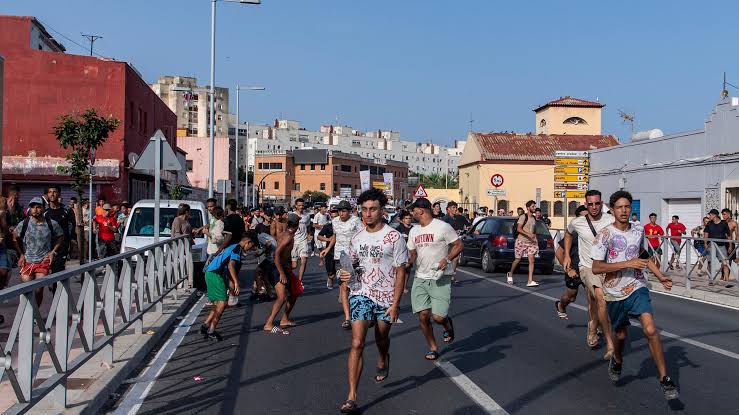
The death toll from the massive migrant surge at Spain’s North African enclave of Ceuta has risen to 67, making it one of the deadliest migration tragedies in recent European history. Thousands of migrants attempted to enter the Spanish territory from neighbouring Morocco by swimming around coastal barriers or crossing through border fences, overwhelming local authorities and emergency services.
Spanish officials reported that tens of thousands of migrants reached Ceuta within a short period, creating severe humanitarian and security challenges. Many people lost their lives due to drowning, exhaustion, and crowd crushes during the dangerous crossing. Emergency teams continued rescue and recovery operations as authorities worked to provide shelter, food, and medical assistance to those who survived.
The crisis has triggered strong political reactions across Europe. Spain has strengthened border security and accelerated the return of many migrants to Morocco, while several European countries have called for tighter controls on the European Union’s external borders. The European Commission has urged member states to work together to manage migration while respecting humanitarian obligations.
Human rights organisations have expressed concern over the growing loss of life and have called for safe migration pathways and greater international cooperation. The tragedy has once again highlighted the complex challenges of irregular migration, border management, and humanitarian protection in the Mediterranean region.
Editors’ Note
Simply raising the salaries of teachers, however, does not automatically mean that they will have the opportunity to create ideal men and women, because today in most countries of the world (where teachers generally have the opportunity to live fairly well) teachers nevertheless do not have the right to formulate educational policies. Rather educational policies are generally formulated by professional politicians, most of whom have perhaps no experience in education. If teachers are to be held responsible for building ideal men and women, they must also be given the right to formulate educational policies, instead of being mere teaching machines.
Governments may submit their [social] and political needs to the teachers, but the teachers should be free to accept or reject the governmentsʼ proposals without interference.
Shrii P R Sarkar
Discourse of the topic “Education”, 1959
Published in:Discourses on Neohumanist Education [a compilation]
The Great Universe: Discourses on Society [a compilation]
Human Society Part 1
Prout in a Nutshell Volume 1 Part 2 [a compilation]
Supreme Expression Volume 2 [a compilation]
official source: Human Society Part 1
THE END

July 25, 2026
History
Older than Himalayas: 85mn-year-old Kewra plant reached India 24mn years ago, fossil discovery in Assam shows

Scientists Discover 24-Million-Year-Old Kewra Fossils in Assam
A team of Indian scientists has uncovered 24-million-year-old fossilized leaves of the Kewra plant (Pandanus), commonly known as screw pine, in Assam’s Tinsukia district. The remarkable discovery provides fresh insights into India’s ancient tropical forests and the evolutionary history of one of the country’s most culturally significant plants.
The fossils were recovered from the Makum Coalfield and are believed to date back to the Early Miocene period, making them older than the Himalayan mountain range in its present form. Researchers identified the fossils by examining the distinctive leaf structure, including their parallel veins and characteristic spiny margins.
Scientists say the discovery fills an important gap in the fossil record of the Pandanaceae family and confirms that northeastern India once supported extensive tropical forests. The region likely served as a refuge for many plant species that later disappeared from other parts of the world due to long-term climatic changes.
The finding is expected to improve scientific understanding of how the Kewra plant reached the Indian subcontinent and adapted to changing environmental conditions over millions of years. It also highlights Assam’s geological importance in preserving evidence of Earth’s ancient biodiversity and climate history. Researchers believe the discovery will contribute significantly to future studies on plant evolution, paleobotany, and the climatic conditions that shaped the Indian subcontinent millions of years ago.
Aforestation
China Planted Billions of Trees and Scientists Just Found an Unexpected Advantage of These New Forests

China’s Planted Forests Grow Faster Than Natural Forests, Study Finds
China’s large-scale tree-planting programmes have given its planted forests a significant growth advantage over naturally regenerated forests, according to a new scientific study. Researchers found that planted forests increased their leaf area about 65.8% faster than natural forests between 2000 and 2022, highlighting the success of the country’s ambitious afforestation initiatives.
The study attributes the rapid growth to several factors, including the relatively young age of planted forests, the use of fast-growing tree species such as poplar and eucalyptus, and intensive forest management practices. Even after accounting for environmental conditions and forest age, planted forests continued to show a measurable growth advantage over natural forests.
However, scientists caution that faster growth does not necessarily make planted forests superior in the long term. While plantations absorb carbon quickly during their early decades, their growth rate generally slows after 30 to 40 years. Natural forests, despite growing more slowly, continue storing carbon for much longer and provide richer habitats for wildlife. They also support greater biodiversity and are more resilient to climate change, pests, and diseases.
Researchers believe the findings can help improve climate models and guide future reforestation strategies. They emphasize that tree plantations should complement—not replace—the protection and restoration of natural forests, which remain vital for long-term carbon storage, ecological balance, and the conservation of biodiversity.
https://www.zmescience.com/ecology/planted-trees-advantage-china/
Environment
The Aral Sea, Once the World’s Fourth-Largest Inland Lake, Was Drained Dry. Now It’s a Ticking Carbon Bomb
Aral Sea Drying Turns into a Major Climate Threat, Scientists Warn
The Aral Sea, once the world’s fourth-largest inland lake, has become a major source of carbon emissions after decades of human-driven environmental destruction, according to a new scientific study. Researchers warn that the vast dry lakebed, stretching across Kazakhstan and Uzbekistan, has already released enormous amounts of carbon dioxide into the atmosphere, transforming the region from a natural carbon sink into a significant carbon source.
The Aral Sea began shrinking in the 1960s after Soviet authorities diverted the Amu Darya and Syr Darya rivers to irrigate large cotton plantations. Over the following decades, nearly 90 percent of the lake disappeared, leaving behind a barren, salty desert. As the lakebed dried, organic carbon that had remained trapped in sediments for centuries was exposed to air, where it decomposed and released greenhouse gases. Scientists estimate that around 748 million tonnes of carbon dioxide have already been emitted from the exposed sediments.
Researchers say the newly exposed vegetation has offset less than one percent of these emissions, making the drying lake a growing contributor to climate change. They suggest that restoring parts of the Aral Sea by reflooding sections of the basin could significantly reduce future emissions while improving local ecosystems and livelihoods. The findings highlight the urgent need to include drying lakes in global carbon budgets and climate strategies, as similar environmental changes are occurring in many parts of the world.
https://www.zmescience.com/ecology/aral-sea-carbon-bomb/
Natural Disaster
Over 100,000 flee or hole up indoors as wildfires rage in France and Spain

More than 100,000 people have been evacuated or ordered to remain indoors as devastating wildfires continue to spread across parts of France and Spain, fueled by extreme heat, strong winds, and prolonged dry conditions. Authorities in both countries have launched large-scale emergency operations as firefighters struggle to contain the fast-moving blazes.
In France, one of the worst-hit areas is the Cap Ferret peninsula near Bordeaux, where over 110,000 residents and tourists were evacuated by road and boat. Thousands of hectares of forest have been destroyed, forcing the closure of campsites and damaging homes. The French government has deployed military personnel and sought additional firefighting support to tackle the crisis.
Spain is facing a similar emergency, with major wildfires near Madrid merging into larger fire fronts. More than 19,000 people have been evacuated, while many others have been instructed to remain indoors due to dense smoke and dangerously poor air quality. Authorities declared a national wildfire emergency as the fires continued to spread rapidly.
Officials warn that rising temperatures, prolonged droughts, and increasingly frequent heatwaves are making wildfires more severe across southern Europe. Emergency crews remain on high alert as they work tirelessly to contain the flames, protect communities, and prevent further destruction of forests, homes, and infrastructure. The disaster has once again highlighted the growing impact of climate change on the frequency and intensity of extreme weather events across the continent.
Job Trap
The Russian Job Trap: How Foreign Nationals End Up Fighting The War In Ukraine

Foreign Workers Lured into Russia End Up Fighting in Ukraine, Investigation Reveals
Thousands of foreign nationals seeking better jobs in Russia are reportedly being drawn into the Russia-Ukraine war through deceptive recruitment practices, according to a recent investigation. Many workers from countries in Asia, Africa, and the Middle East travel to Russia after being promised well-paid civilian jobs, only to discover they have been recruited into the Russian military.
The investigation reveals that recruiters advertise positions in construction, security, factories, hospitality, and logistics. However, after arriving in Russia, many migrants reportedly have their passports confiscated, are pressured to sign military contracts in Russian, or are threatened with deportation if they refuse. Some are then sent to military training camps before being deployed to the front lines in Ukraine.
Several victims and their families have said they were unaware they would be participating in combat. Many recruits reportedly lacked military experience and received only limited training before being sent into dangerous battle zones. Some have been killed, injured, or captured, while others remain missing.
Human rights groups have described the practice as a form of exploitation that targets economically vulnerable people seeking employment abroad. Governments in several affected countries have issued warnings to their citizens about fraudulent overseas job offers and have launched investigations into illegal recruitment networks.
The report highlights the growing risks faced by migrant workers during wartime and calls for stronger international cooperation to combat human trafficking, protect job seekers, and prevent vulnerable people from being forced into armed conflict.
Health care
Vitamin B3 supplementation linked to 66% lower glaucoma risk
Vitamin B3 Supplement May Reduce Glaucoma Risk by 66%, Study Finds
A new study suggests that vitamin B3, also known as nicotinamide, may significantly reduce the risk of developing glaucoma, one of the world’s leading causes of irreversible blindness. Researchers found that people with ocular hypertension—an important risk factor for glaucoma—who took nicotinamide supplements were 66% less likely to develop primary open-angle glaucoma than those who did not receive the supplement.
The study analyzed the health records of approximately 2,920 patients from 67 healthcare organizations across the United States. Participants were followed for an average of 3.7 years. During the study period, only 51 people in the nicotinamide group developed glaucoma, compared with 132 in the non-supplement group. Researchers also observed a 43% reduction in the need for pressure-lowering eye drops and a 62% decrease in laser procedures among those taking vitamin B3.
Scientists believe nicotinamide helps maintain levels of NAD (nicotinamide adenine dinucleotide), a molecule essential for energy production and cell repair. Healthy NAD levels may protect the optic nerve from age-related damage and improve the resilience of retinal cells.
While the findings are promising, experts caution that vitamin B3 supplements are not yet an approved treatment or preventive therapy for glaucoma. Larger clinical trials are needed to confirm their safety and effectiveness before they can be recommended for routine use. Until then, people should consult their healthcare provider before taking high-dose vitamin B3 supplements, especially if they have existing medical conditions or are using other medications.
Politics
Youth-Led Protest Movement Challenges Indian Government

A nationwide youth protest movement has emerged as one of the biggest public challenges to the Indian government in recent years. The movement, led by the satirical Cockroach Janta Party (CJP), began after repeated allegations of leaks in major competitive examination papers. What started as online criticism has now developed into large demonstrations across several Indian cities.
Thousands of students have taken to the streets demanding transparent recruitment, fair examinations, and greater accountability from the government. Protesters are also calling for the resignation of Union Education Minister Dharmendra Pradhan, holding him responsible for repeated failures in the examination system. Despite police action in some places, the demonstrations have continued, with many students saying they will maintain peaceful protests until meaningful reforms are announced.
Prime Minister Narendra Modi has responded by promising stricter laws against examination paper leaks, fast-track courts for such cases, and reforms to improve the integrity of the education system. However, many protesters believe these assurances do not fully address their concerns and continue to press for stronger action and accountability.
Observers say the movement reflects growing frustration among India’s youth over employment opportunities, education, and governance. The protests have drawn support from students, parents, and civil society groups, making them one of the most significant youth-led movements in recent years.
Economy
US hits dozens of countries with new wave of tariffs

US Imposes New Tariffs on Dozens of Trading Partners
The United States has announced a new round of import tariffs on goods from around 60 trading partners, marking a significant escalation in its trade policy. The new duties, ranging from 10% to 12.5%, affect several major economies, including the European Union, the United Kingdom, China, Canada, Japan, and India.
The US administration said the measures are intended to address concerns over unfair trade practices and shortcomings in efforts to prevent forced labour in global supply chains. Officials argue that the tariffs are necessary to protect American industries, strengthen domestic manufacturing, and ensure fair competition for US businesses.
Several affected countries have criticized the move, describing it as protectionist and warning that the new duties could disrupt global trade and increase costs for businesses and consumers. Trade officials from the European Union and other partners have sought clarification from Washington while considering possible responses under international trade rules.
Economists warn that the tariffs may lead to higher prices for imported goods, create uncertainty in international markets, and strain diplomatic and economic relations between the United States and its trading partners. Businesses that rely on global supply chains are expected to face increased costs, which could eventually be passed on to consumers.
The latest tariff announcement highlights growing tensions in international trade and underscores the challenges governments face in balancing domestic economic priorities with the need for stable global commerce.
https://www.bbc.com/news/articles/cvgj61j6l08o
Technology
Meta faces Tennessee trial over allegations Instagram was designed to be addictive

Meta Faces Tennessee Trial Over Claims Instagram Was Designed to Be Addictive
Meta Platforms is facing a major legal challenge in the U.S. state of Tennessee over allegations that Instagram was intentionally designed to keep teenagers hooked, contributing to a growing youth mental health crisis. The trial is one of several high-profile cases examining whether social media companies should be held responsible for the impact of their platforms on young users.
Tennessee’s Attorney General alleges that Meta knowingly created features that encouraged compulsive use while failing to warn users and parents about the potential risks. According to the lawsuit, the company possessed internal research indicating that excessive use of Instagram could negatively affect teenagers’ mental health but continued promoting features such as infinite scrolling, autoplay videos, Reels, disappearing content, and frequent notifications to maximize user engagement. The state also claims that Meta misled the public about the safety of its platform.
The lawsuit seeks financial penalties and a court order requiring Meta to modify features considered harmful to young users. Meta has denied the allegations, arguing that it has invested heavily in safety measures, including age-appropriate settings, parental supervision tools, and privacy protections for teenagers.
The outcome of the Tennessee trial could have far-reaching implications for the regulation of social media platforms. It may influence future policies on digital safety, online accountability, and the responsibility of technology companies to protect children and adolescents from the harmful effects of excessive social media use.
Space
There are already 16,000 satellites in Earth’s orbit. How will we manage the next 100,000?
Growing Satellite Boom Raises Concerns Over the Future of Earth’s Orbit
Earth’s orbit is becoming increasingly crowded as the number of active satellites continues to rise at an unprecedented pace. Around 16,000 satellites are currently circling the planet, providing essential services such as GPS navigation, weather forecasting, global communications, internet connectivity, banking, and emergency response. However, experts warn that the number could exceed 100,000 within this decade, creating significant challenges for the long-term sustainability of space.
The rapid growth is being driven by governments and private companies launching large satellite constellations to expand global internet access and improve communication networks. While these satellites offer enormous economic and technological benefits, they also increase the risk of collisions and the creation of dangerous space debris. Even tiny fragments of debris travel at extremely high speeds and can damage or destroy operational spacecraft.
Scientists are also concerned about the impact on astronomical research. Bright satellite trails can interfere with telescope observations, making it harder to study distant stars and galaxies. In addition, frequent rocket launches and satellite re-entries may have environmental consequences that are still being investigated.
Experts say the solution lies in stronger international cooperation. Improved space traffic management, better debris-tracking systems, mandatory satellite disposal plans, and globally accepted regulations will be essential to ensure that Earth’s orbit remains safe and accessible for future generations while supporting the growing demand for satellite-based services.
War
Houthi Attacks on Red Sea Ships Raise Fears of Wider Regional Conflict

Houthi Attacks on Red Sea Ships Raise Fears of Wider Regional Conflict
Iran-backed Houthi rebels in Yemen have opened a new front in the ongoing Iran conflict by targeting commercial shipping in the Red Sea, raising fresh concerns about global trade and energy security. The group claimed responsibility for missile and drone attacks on two Saudi Arabian oil tankers, marking its first major strike on commercial vessels in several months.
The attacks have heightened fears that the conflict could spread beyond Iran and draw more countries into the crisis. The Red Sea is one of the world’s busiest maritime trade routes, carrying a significant share of global oil shipments and cargo traffic. Any disruption to shipping in the region could delay deliveries, increase transportation costs, and push up global energy prices.
Following the attacks, several shipping companies began reassessing their routes, with some vessels opting to avoid the southern Red Sea and the Bab el-Mandeb Strait due to security concerns. Longer alternative routes around southern Africa could add weeks to shipping times and increase fuel and insurance costs.
The latest escalation has also intensified concerns over the stability of global supply chains, which are already under pressure from ongoing geopolitical tensions. Analysts warn that continued attacks on commercial vessels could further disrupt international trade and contribute to rising inflation through higher transportation and energy costs.
Governments and maritime security agencies are closely monitoring the situation as efforts continue to prevent the conflict from expanding further.
Editors’ Note
Sadvipras or spiritual revolutionaries will inspire and mobilize the crusading human spirit against barbarity, injustice and rapacity and help accelerate the speed of antithetical social movement. Afterwards, during the stage of synthesis, they will take the leadership of society into their own hands. If proper adjustments are maintained with time, space and person, the Sadvipra inspired synthetic age will be permanent. In a society governed and administered by these Sadvipras, the synthetic structure of society will remain intact, although different eras may come and go. The Shúdra era will come but there will be no exploitation by the Shúdras. The Kśatriya era will come, but exploitation by the Kśatriyas will not be possible because of the synthetic order prevailing in society.
Only Sadvipras can constantly maintain proper adjustment with time, space and person.
Shrii P R Sarkar
Dialectical Materialism and Democracy
date not known
Published in:A Few Problems Solved Part 2
The Great Universe: Discourses on Society [a compilation]
Prout in a Nutshell Volume 2 Part 6 [a compilation]
Universal Humanism [a compilation]
THE END

July 18, 2026
Education
UN Women Call for Applications for the Free Young Feminist AI School 2026 to Empower Youth Through Artificial Intelligence
UN Women Invites Applications for Free Young Feminist AI School 2026
UN Women has opened applications for the Young Feminist AI School 2026, a free 12-week online programme designed to equip young people with the knowledge and practical skills to use artificial intelligence (AI) for social advocacy, civic participation, and policy engagement. The programme will run from August to October 2026 and is open to applicants aged 18 to 30 from around the world. Applications will remain open until 28 July 2026.
The initiative aims to empower a new generation of changemakers, with a special emphasis on encouraging young women and girls to play an active role in shaping the future of digital technology. Participants will learn how AI can be used in advocacy campaigns, democratic participation, civic technology, and information integrity while also exploring important issues such as algorithmic bias, misinformation, privacy, and the ethical use of artificial intelligence.
One of the programme’s key strengths is its accessibility. No prior coding or technical experience is required, making it suitable for students, activists, young professionals, and emerging leaders interested in using technology for social impact. The course requires an average commitment of about four hours per week and will be conducted entirely online, enabling participants from diverse countries and backgrounds to learn, collaborate, and build practical skills for advancing gender equality and inclusive digital innovation.
https://www.globalsouthopportunities.com/2026/07/17/feminist-10/
Healthcare
UK begins trials of Ebola vaccine developed in just eight weeks
Oxford Scientists Begin Human Trials of New Ebola Vaccine
Scientists at the University of Oxford are set to begin human trials of a newly developed Ebola vaccine after receiving approval from the UK’s Medicines and Healthcare Products Regulatory Agency (MHRA). Developed in just eight weeks following the declaration of a public health emergency on 17 May, the vaccine is the first among four candidates targeting the current Ebola outbreak to enter clinical testing.
The Phase I trial will involve 50 healthy volunteers aged 18 to 55 in the United Kingdom, with the first doses expected to be administered within weeks. Researchers will monitor participants for one year to evaluate the vaccine’s safety, immune response, and potential side effects. Preparations are also underway to conduct future trials in Uganda.
The vaccine uses the same viral vector technology employed in the Oxford/AstraZeneca COVID-19 vaccine. It contains a harmless modified virus carrying genetic material from the Bundibugyo strain of Ebola, enabling the immune system to recognize and respond to the virus without causing infection.
The ongoing Ebola outbreak in the Democratic Republic of the Congo has claimed more than 600 lives and remains difficult to contain due to conflict and population movement. If successful, the vaccine could become a vital tool in controlling the outbreak and preventing future spread of the deadly disease.
https://www.bbc.com/news/articles/cpwep8xnkrqo
History
Once the World’s Biggest Passenger Ship, This Metal Marvel That Crossed the Atlantic and Took Immigrants to Australia Has a New Museum Home

Historic SS Great Britain Gets New Museum Celebrating Its Complex Legacy
The iconic SS Great Britain, once the world’s largest passenger ship and one of the greatest engineering achievements of the 19th century, has found a renewed home with the opening of a new museum in Bristol, England. Designed to present a balanced account of the vessel’s remarkable journey, the museum explores both its technological achievements and its broader impact on history.
Built by renowned engineer Isambard Kingdom Brunel and launched in 1843, the iron-hulled steamship revolutionized long-distance sea travel. It became the first large ocean-going vessel powered by a screw propeller and later carried thousands of emigrants from Britain to Australia, helping shape global migration.
The new museum features rare archival materials, personal diaries, photographs and interactive exhibits that highlight the lives of passengers, shipbuilders and crew members. Visitors can learn about the cramped conditions experienced by steerage-class travellers, the demanding work of dockyard labourers and the ship’s later roles as a troop carrier, cargo vessel and floating warehouse before its restoration.
Museum curators say the exhibition aims to tell the ship’s story “warts and all,” acknowledging its links to British imperial expansion while celebrating its engineering brilliance. The revamped attraction offers visitors a deeper understanding of one of the world’s most influential ships and the many human stories connected with its extraordinary legacy.
Technology
Japan hits 6G key milestone with high-frequency speeds topping 100 Gbps

Japan Achieves Major Breakthrough in 6G Technology With 112 Gbps Wireless Speeds
Japanese researchers have achieved a significant milestone in the race toward sixth-generation (6G) wireless communication by successfully transmitting data at speeds of 112 gigabits per second (Gbps) using ultra-high-frequency terahertz waves. The breakthrough is considered an important step toward the development of next-generation mobile networks that are expected to become commercially available in the early 2030s.
The research team developed a compact microcomb-driven terahertz wireless communication system that is nearly 90 times smaller than conventional systems while maintaining record-breaking transmission speeds. Scientists believe the innovation could make future 6G equipment more practical, energy-efficient and easier to integrate into everyday communication infrastructure.
Unlike current 5G networks, 6G is expected to support data-intensive applications such as holographic communication, immersive virtual and augmented reality, autonomous transportation, advanced robotics and AI-powered smart cities. However, transmitting signals at extremely high frequencies remains a major engineering challenge due to limited range and signal loss.
Researchers say the latest achievement demonstrates that terahertz frequencies can deliver exceptionally fast wireless communication, bringing the vision of 6G a step closer to reality. While commercial deployment is still several years away, the breakthrough strengthens Japan’s position as one of the global leaders in next-generation telecommunications research and innovation.
Agriculture
Specialty farmers adapt harvests, protect crops in face of extreme

Extreme Heat Forces Specialty Farmers to Adapt as Climate Risks Intensify
Specialty farmers across parts of the United States are changing the way they grow and harvest crops as prolonged heat waves and rising temperatures increasingly threaten agricultural production. A recent heat dome, which trapped intense heat and humidity over large regions, has highlighted the growing challenges faced by farmers cultivating fruits, vegetables and herbs.
Many farmers have shifted harvesting to the early morning and late evening hours to protect both workers and crops from extreme daytime temperatures. Others are using temporary shade structures, greenhouse cooling systems and more frequent irrigation to reduce heat stress on plants. Experts warn that extreme heat, combined with high humidity, can reduce crop quality, shorten harvest windows and increase the spread of pests and plant diseases.
Unlike producers of major commodity crops such as corn and soybeans, many specialty farmers have limited access to crop insurance and other financial safety nets. Since these farms often grow multiple crops on smaller acreages, existing insurance programs may not adequately cover their losses during extreme weather events.
Agricultural experts say climate change is making severe heat events more frequent and intense, underscoring the need for improved risk-management policies, stronger support systems and long-term adaptation strategies. They emphasize that helping farmers adapt to increasingly unpredictable weather will be essential for protecting food production, strengthening rural livelihoods and ensuring the long-term resilience of the agricultural sector.
Economy
March 2026 global poverty update from the World Bank: New data and updated poverty numbers
World Bank Revises Global Poverty Estimates, Reports 847 Million Living in Extreme Poverty

The World Bank has released its latest global poverty update, revising estimates to show that approximately 847 million people were living in extreme poverty in 2024. According to the updated figures, 10.4% of the world’s population survives below the international extreme poverty threshold, reflecting changes based on newly available household survey data and updated statistical methods.
The revision was driven largely by new survey data from Pakistan, which resulted in a higher estimate of extreme poverty across the Middle East, North Africa, Afghanistan and Pakistan (MENAAP) region. The updated assessment indicates that around 21 million more people in the region are living in extreme poverty than previously estimated.
Despite the upward revision, the World Bank projects a gradual decline in global poverty over the coming years, with the extreme poverty rate expected to fall to 10.0% by 2026 if current economic trends continue. However, progress remains uneven across regions, particularly in countries affected by conflict, economic instability and climate-related shocks.
The World Bank emphasized that regular updates based on new survey information improve the accuracy of global poverty estimates and help governments design better-targeted social protection and development policies. It also stressed that sustained economic growth, job creation and investments in education and healthcare remain essential to accelerating poverty reduction worldwide.
Politics
Andy Burnham promises to end Labour infighting as he becomes party’s leader
Andy Burnham Elected Labour Leader, Set to Become Britain’s Next Prime Minister
Andy Burnham has officially been elected leader of the UK’s governing Labour Party, clearing the final hurdle before becoming Britain’s next Prime Minister. He is expected to formally take office on Monday, succeeding Keir Starmer following his resignation as party leader and prime minister.
Burnham, the former Mayor of Greater Manchester, secured overwhelming backing from Labour Members of Parliament, trade unions and local party organizations, emerging as the sole candidate for the leadership. In his first address as Labour leader, he pledged to unite the party, end internal divisions and deliver a government focused on economic growth, public services and social justice.
The incoming leader outlined plans to expand affordable housing, reform social care and strengthen public ownership in key sectors while maintaining a business-friendly approach to economic development. He also emphasized decentralizing power from Westminster by giving greater authority to regional governments and local communities.
Burnham’s elevation marks a remarkable political comeback after previously losing two Labour leadership contests before establishing a strong reputation as Greater Manchester’s mayor. Political analysts say his immediate priorities will include stabilizing the economy, restoring public confidence and maintaining Labour’s parliamentary unity. His leadership is expected to shape the government’s policy agenda as Britain faces economic challenges, rising public expectations and preparations for the next general election due by 2029.
Space
Earth’s largest particle accelerator opens new window into the early universe just after the Big Bang: ‘A culmination of a decades-long quest’

World’s Largest Particle Accelerator Unlocks New Clues to the Early Universe
Scientists working at the world’s largest particle accelerator have achieved a major breakthrough in understanding the universe’s earliest moments, opening a new window into conditions that existed just fractions of a second after the Big Bang. The discovery marks the culmination of decades of research aimed at recreating the extreme environment that prevailed when the universe was first formed.
Using high-energy collisions at the Large Hadron Collider (LHC) at CERN near Geneva, researchers studied an exotic state of matter known as quark-gluon plasma. This superhot, dense material is believed to have filled the universe immediately after the Big Bang, before cooling to form the protons, neutrons and atoms that make up today’s galaxies, stars and planets.
The latest findings provide the most detailed insights yet into how fundamental particles behaved during the universe’s infancy. Scientists say the research helps refine existing theories of particle physics and deepens understanding of the strong nuclear force, one of nature’s four fundamental forces responsible for binding atomic nuclei together.
Researchers believe the achievement will guide future experiments at the LHC and other advanced facilities worldwide. Beyond shedding light on the origins of matter, the results could help answer some of the biggest unanswered questions in modern physics, including how the universe evolved into its present form and why matter came to dominate over antimatter after the Big Bang.
War
US-Iran Tensions Move Closer to Wider Regional Conflict

The military confrontation between the United States and Iran has intensified sharply, raising fears of a broader conflict across the Middle East. Both countries have stepped up military operations, with the strategic Strait of Hormuz emerging as the main flashpoint. The vital waterway is crucial for global oil shipments, and any disruption there could have far-reaching economic consequences.
The United States has expanded its military campaign by targeting key infrastructure in Iran, including transport links and port facilities, aiming to weaken Tehran’s operational capabilities and deter attacks on international shipping. In response, Iran has launched missile and drone strikes against U.S. military installations and allied facilities in several Gulf countries, including Saudi Arabia, Bahrain, Jordan, and Kuwait.
Washington has also reinforced its military presence in the region by deploying additional fighter aircraft and more than 2,000 Marines. Meanwhile, the escalating hostilities have unsettled global energy markets, pushing oil prices higher and increasing concerns over disruptions to international trade.
Despite both nations indicating they wish to avoid a full-scale war, analysts warn that continued retaliation by either side could rapidly trigger a wider regional conflict, with significant geopolitical and economic consequences for the world.
Editors’ Note
In all walks of present-day life, the dark shadows of immorality are fast taking definite shape and hampering human progress. A very strong moral force is required to wipe out this filth of immorality. One cannot expect this moral force from the government power functioning within a democratic structure. We expect it from non-political ends. The government, be it fascist, imperialist, republican, dictatorial, bureaucratic or democratic, is sure to become tyrannical if there is no moral force to check the capricious activities of the leaders or of the party in power. Immoral activities from the side of the government give rise to mass upsurge.
Shrii P R Sarkar
Discourses on Prout, 17-22 October 1959, Jamalpur
Published in: Discourses on Prout, Prout in a Nutshell Volume 1 Part 5 [a compilation]

THE END
July 11, 2026
Employment
Why big AI labs are hiring so many philosophers
Why Big AI Labs Are Hiring Philosophers
A surprising trend is emerging in the artificial intelligence industry: some of the world’s leading AI companies are hiring philosophers alongside engineers, computer scientists, and mathematicians. As AI systems become more powerful and influential, technology firms are discovering that many of their biggest challenges are not purely technical but philosophical.
Companies such as OpenAI, Google DeepMind, and Anthropic are recruiting experts in ethics, logic, reasoning, and the philosophy of mind. These specialists help researchers address difficult questions about how AI should behave, make decisions, express uncertainty, and align with human values. They also contribute to debates about bias, fairness, responsibility, and the potential emergence of machine consciousness.
Philosophers are increasingly involved in designing safety frameworks that guide AI behavior. Their expertise helps developers determine when an AI system should refuse a request, acknowledge its limitations, or explain its reasoning. As AI becomes more integrated into daily life, ensuring that machines act responsibly has become a top priority.
The growing demand reflects a broader recognition that the future of AI depends not only on better algorithms but also on a deeper understanding of human values and decision-making. While some critics warn that companies could use ethics experts merely to improve their public image, supporters argue that philosophers have become essential contributors to the safe and responsible development of advanced artificial intelligence.
Space
China lands reusable rocket for first time, state media says

China Achieves Major Milestone with Reusable Rocket Landing
China has successfully completed a major breakthrough in its space programme by launching a reusable rocket and safely recovering its booster through a controlled vertical landing. The achievement marks an important step toward reducing the cost of space missions and increasing the efficiency of future launches.
The rocket successfully carried its payload into orbit before the booster separated and returned to Earth, landing precisely on a designated platform. Reusable rocket technology allows key components to be used multiple times, significantly lowering launch expenses and improving sustainability in space exploration.
Until recently, such technology had been demonstrated primarily by a few leading space agencies and private aerospace companies. China’s success highlights its growing capabilities in advanced aerospace engineering and its determination to become a leading space power.
The country has been investing heavily in ambitious projects, including lunar exploration missions, satellite networks, and the expansion of its space station programme. Reusable launch systems are expected to play a crucial role in supporting these long-term objectives.
Space experts view the successful landing as a significant milestone that could strengthen China’s position in the global space industry. The next phase will involve increasing the frequency of reusable launches and further refining the technology. If these efforts succeed, China could accelerate the deployment of future space missions while making access to space more economical and efficient.
https://www.bbc.com/news/articles/cm2rmmx86pdo
Science
For the first time in history, humans have created cells capable of self-regeneration.
Scientists Create Self-Growing Synthetic Cells in Historic Breakthrough
For the first time in the history of science, a cell built entirely from nonliving chemical components has grown, replicated its DNA, divided into daughter cells, and competed against its siblings across multiple generations.
In a landmark achievement for synthetic biology, scientists have successfully created artificial cells capable of growing, replicating their genetic material, and dividing to produce new generations. The breakthrough is being hailed as a major step toward understanding the origins of life and developing new biological technologies.
The synthetic cells were constructed entirely from non-living chemical components and laboratory-designed DNA. Unlike earlier artificial cells that could perform only limited functions, these newly developed cells can carry out several essential processes associated with living organisms, including growth, nutrient absorption, genome replication, and cell division.
Researchers designed the cells with a highly simplified genetic structure, allowing them to reproduce while maintaining stability over multiple generations. The cells also exhibited basic evolutionary behavior, with some variants performing better than others under different conditions.
Scientists believe this development could transform the field of biotechnology. In the future, synthetic cells may be engineered to manufacture medicines, renewable fuels, industrial chemicals, and other useful products more efficiently than current methods.
The achievement also provides valuable clues about one of science’s greatest mysteries—how life first emerged on Earth from non-living matter billions of years ago. While the synthetic cells are not yet fully independent living organisms, their ability to grow and reproduce represents a significant advance toward creating life-like systems in the laboratory.
Researchers say further studies will focus on increasing the cells’ autonomy and expanding their practical applications in medicine, industry, and environmental sustainability.
https://www.instagram.com/p/DaSmFzvD9Ag/
Water
Solar desalination breakthrough converts ocean water into clean, waste-free, water
New Solar Desalination Breakthrough Turns Seawater into Fresh Water Without Waste
Researchers have developed an innovative solar-powered desalination system that can convert seawater into clean drinking water without producing harmful waste brine, a major environmental challenge associated with conventional desalination technologies.
The new system relies entirely on sunlight to drive the desalination process, eliminating the need for external electricity or chemical additives. Unlike traditional plants that discharge concentrated salt waste back into the ocean, the breakthrough technology separates and collects salts and minerals in a usable form. Scientists say valuable materials such as lithium and other minerals can potentially be recovered during the process.
At the heart of the innovation is a specially engineered solar-absorbing surface that efficiently captures sunlight and converts it into heat. The system continuously evaporates seawater, condenses the vapor into fresh water, and prevents salt accumulation that typically reduces the efficiency of solar desalination devices.
Researchers believe the technology could provide a sustainable solution for regions facing severe water shortages, particularly coastal communities and island nations where access to fresh water is limited. Because it operates using only solar energy, the system could also reduce the high energy costs associated with conventional desalination plants.
Experts say the breakthrough represents a significant advance in clean-water technology and could help address growing global concerns about water scarcity, climate change, and the increasing demand for sustainable freshwater resources.
Economy
Central bank gold holdings are at a 50‑year high. What’s behind the jump in reserves?
Central Banks Increase Gold Reserves to Highest Level in 50 Years
Central banks around the world are holding more gold than at any time in the past five decades, reflecting a major shift in global reserve management. According to recent studies, gold now accounts for a larger share of official reserves than U.S. Treasury securities, highlighting its growing importance in an increasingly uncertain economic environment.
The surge in gold holdings has been driven by a combination of geopolitical tensions, concerns over financial sanctions, inflation risks, and efforts by many countries to diversify away from excessive dependence on the U.S. dollar. Central banks view gold as a reliable store of value that is not tied to any single government or financial institution.
Emerging economies have been among the most active buyers, steadily increasing their reserves in recent years. Nations such as China, India, Poland, Turkey, and several others have expanded their gold holdings as part of broader strategies to strengthen financial resilience.
Another factor behind the trend is the sharp rise in gold prices, which has increased the value of existing reserves. Surveys of reserve managers indicate that most central banks expect global gold holdings to continue rising in the coming years.
Economists say the renewed interest in gold reflects a changing world economy, where countries are seeking greater security, diversification, and independence in managing their national reserves. As global uncertainties persist, gold is likely to remain a key pillar of central bank reserve strategies.
Agriculture
A weedkiller banned in 70 countries can be used in Australia. Are the regulatory scales tipped in favour of big agriculture?

Australia Retains Use of Controversial Herbicide Despite Global Restrictions
Australia has decided to continue permitting the use of the herbicide paraquat, a chemical that has been banned in many countries because of concerns over its potential health and environmental risks. The decision follows a lengthy regulatory review and has triggered debate among scientists, health experts, environmental groups, and agricultural organizations.
Regulators concluded that paraquat can remain available for agricultural use under stricter safety guidelines. The updated regulations include tighter controls on application methods, enhanced protective measures for workers, and revised usage limits aimed at reducing exposure risks.
The decision has drawn criticism from public health advocates, who argue that a growing body of research suggests a possible link between paraquat exposure and neurological disorders, including Parkinson’s disease. Environmental organizations have also expressed concern about the long-term ecological impact of continued use of the herbicide.
On the other hand, many farmers and agricultural groups support the decision, describing paraquat as an effective and affordable tool for controlling weeds. They argue that removing it from the market could increase production costs and make weed management more difficult, potentially affecting crop yields and food production.
The issue highlights the ongoing challenge of balancing agricultural productivity with public health and environmental protection. As scientific research continues to evolve, the debate over paraquat is likely to remain a significant topic in agricultural and environmental policy discussions worldwide.
https://www.theguardian.com/science/2026/jun/23/paraquat-herbicide-ban-continued-use-australia
Politics
A bitterly divided Iran grapples with Ali Khamenei’s legacy as he is laid to rest
Iran Faces Deep Divisions as Nation Reflects on Khamenei’s Legacy
Iran is entering a period of intense political reflection and uncertainty as the country debates the legacy of Supreme Leader Ayatollah Ali Khamenei. His passing has brought long-simmering divisions within Iranian society into sharper focus, with supporters and critics offering starkly different assessments of his decades-long leadership.
For many loyalists, Khamenei is remembered as a symbol of resistance who preserved Iran’s Islamic Republic through wars, sanctions, regional conflicts, and international pressure. They credit him with maintaining national sovereignty and strengthening Iran’s influence across the Middle East.
Critics, however, argue that his rule was marked by political repression, restrictions on civil liberties, economic hardship, and strained relations with the West. Many younger Iranians have expressed frustration over unemployment, inflation, and limited social freedoms, issues that became increasingly prominent during his tenure.
The debate over Khamenei’s legacy comes at a crucial moment for Iran. The country faces significant economic challenges, regional security concerns, and growing demands for political and social reform. Analysts believe that the transition of leadership could shape Iran’s domestic and foreign policies for years to come.
As Iranians reflect on the past and contemplate the future, the nation remains deeply divided over the meaning of Khamenei’s era. The coming months are expected to be critical as political leaders, religious authorities, and citizens navigate a new chapter in the history of the Islamic Republic.
AMURT News from Venezuela
Venezuela quake death toll passes 4,000 as scale of recovery effort looms large
Venezuela Earthquake Death Toll Crosses 4,000
The death toll from the devastating earthquakes that struck Venezuela on June 24 has surpassed 4,000, making it one of the country’s worst natural disasters in recent history. Thousands of people were injured, and many remain missing as rescue and recovery efforts continue.
The powerful tremors caused widespread destruction, collapsing homes, damaging infrastructure, and displacing tens of thousands of residents. While official rescue operations have largely ended, families and volunteers continue searching for loved ones.
Humanitarian organizations are providing emergency aid, shelter, food, and medical assistance. Authorities now face the enormous challenge of rebuilding communities and restoring essential services in the affected regions.
News from AMURT
Our AMURT team is on the ground. This week we entered La Guaira’s restricted zone with government permission to give trauma-relief classes to survivors, and our volunteers’ truck is carrying water, food and tools in, run after run.
€25 feeds a displaced family of 5 for a day.
€50 adds hygiene & medical essentials.
€200 helps fill the truck for a full delivery run.
Every contribution rides on that truck. 🚚
Donate here 👉
https://amurtuk1.enthuse.com/cf/after-the-shaking-stops-bring-relief-and-healing
War
Live updates: U.S. and Iran to continue talks after tensions escalated over Strait of Hormuz

Ceasefire Talks Raise Hopes of Easing US-Iran Tensions
Diplomatic efforts to prevent a wider conflict between the United States and Iran have intensified following weeks of heightened military tensions in the Middle East. International mediators and regional governments are working to secure a ceasefire and reduce the risk of further escalation that could threaten regional stability and global energy supplies.
One of the central concerns remains the Strait of Hormuz, a strategic waterway through which a significant portion of the world’s oil shipments pass. Any disruption to shipping in the strait could trigger sharp increases in global energy prices and affect international trade.
Officials from several countries have urged both Washington and Tehran to pursue dialogue rather than military confrontation. Reports indicate that back-channel communications and diplomatic negotiations are underway to establish confidence-building measures and prevent further hostilities.
The recent crisis has heightened concerns among investors and governments worldwide, with financial markets closely monitoring developments in the Gulf region. Energy-producing and energy-importing nations alike are seeking assurances that vital shipping routes will remain open and secure.
While significant differences remain between the two sides, the growing momentum behind ceasefire discussions has generated cautious optimism. Analysts believe that successful negotiations could reduce regional tensions, stabilize energy markets, and create an opportunity for broader diplomatic engagement between the United States and Iran in the months ahead.
https://www.cbsnews.com/live-updates/us-iran-war-trump-ceasefire-talks-strait-of-hormuz/
Editors' NoteA society whose leaders have a strong tendency to denigrate others will suffer a great catastrophe. The tendency to look down upon others does not always result from a superiority complex. Many people treat others with contempt to hide their own ignorance. The superiority complex is harmful to society, and this treating others with contempt to hide oneʼs ignorance is even more harmful. Everyone, irrespective of their education, intellectual attainment, external appearance, internal qualities, social status or age, must remember that those whom they consider inferior know more about many things than they do.
Shrii P R Sarkar
Social Justice, 1959
Published in:The Great Universe: Discourses on Society [a compilation]
Human Society Part 1
Prout in a Nutshell Volume 1 Part 3 [a compilation]
Universal Humanism [a compilation]

THE END
June 27, 2026
Child welfare
TikTok, YouTube deactivate 4.7 million child accounts in Indonesia following government curbs, minister says

JAKARTA, June 26, 2026 — Social media platforms TikTok and YouTube have deactivated approximately 4.7 million accounts belonging to children under the age of 16 in Indonesia following the implementation of new government regulations aimed at improving online safety for minors.
The policy, introduced earlier this year, requires high-risk social media platforms to restrict access for users under 16 years of age. Indonesian authorities say the measure is designed to protect children from cyberbullying, online fraud, harmful content, and excessive social media use. The government believes stronger safeguards are necessary as more young people spend increasing amounts of time online.
TikTok and YouTube have been working with Indonesian regulators to comply with the new rules. The regulations also apply to other major social media platforms, including Facebook, Instagram, X, Roblox, and Threads. Digital companies have been urged to strengthen age-verification systems and improve transparency in enforcing child-protection measures.
The removal of millions of accounts highlights the scale of social media use among children in Indonesia, one of the world’s largest digital markets. Officials have described the move as an important step toward creating a safer online environment for young users.
Indonesia’s action reflects a broader global trend of governments introducing stricter regulations to address concerns about children’s mental health, online safety, and exposure to inappropriate content on digital platforms.
Archives
Archaeologists find huge Viking textile production site in Denmark

Archaeologists Uncover Major Viking Textile Production Center in Denmark
COPENHAGEN, June 24, 2026 — Archaeologists in Denmark have uncovered a vast Viking Age textile production site that is providing fresh insights into the sophistication and economic organization of Viking society more than 1,000 years ago.
The site, located near Søften, north of Aarhus, covers approximately 100,000 square meters and dates from around A.D. 600 to 950. Researchers discovered more than 80 pit houses, which served as workshops and living spaces, along with facilities used for processing flax and manufacturing textiles. Numerous artifacts, including spindle whorls, loom weights, silver coins, glass beads, and pottery, were also found during the excavation.
Experts say the discovery highlights the importance of textile production in the Viking economy and challenges the traditional image of Vikings as primarily warriors and raiders. Evidence suggests the settlement was part of a highly organized production system connected to extensive regional and international trade networks.
Archaeologists believe the operation may have been supervised by a powerful local leader who controlled resources and labor. The site’s scale indicates that textiles produced there were likely traded far beyond the local area, making it an important economic hub during the Viking Age.
Researchers plan to conduct further scientific analyses, including carbon dating and environmental studies, to better understand the types of textiles produced and the role the settlement played in Viking-era commerce, technology, and social development. The discovery offers a valuable glimpse into the economic foundations that helped sustain Viking communities across Scandinavia.
https://www.npr.org/2026/06/24/g-s1-129750/viking-textile-production-site
Eco System
Scientists Map Huge Underground Web of Fungi

Scientists Create First Global Map of Vast Underground Fungal Networks
June 17, 2026 — Scientists have created the first global map of Earth’s enormous underground fungal networks, revealing a hidden world that plays a crucial role in supporting life on the planet.
The study focused on arbuscular mycorrhizal fungi, microscopic organisms that form partnerships with the roots of most land plants. These fungi help plants absorb essential nutrients and water from the soil while receiving sugars produced through photosynthesis in return. Researchers analyzed more than 16,000 soil samples collected from around the world and used advanced computer models to map the distribution of these underground networks.
The findings revealed an astonishing 110 quadrillion kilometers of fungal threads beneath the Earth’s surface. If stretched into a single line, the network could reach the Sun and back nearly a billion times. Scientists say these fungal systems transport billions of tons of carbon into the soil every year, helping regulate the climate, improve soil fertility, and support healthy ecosystems.
Researchers also found that intensive farming practices can significantly reduce fungal density, raising concerns about soil degradation and biodiversity loss. The new map is expected to help scientists and conservationists identify important underground ecosystems and develop strategies to protect these vital but often overlooked networks.
The discovery highlights the essential role fungi play in sustaining plant life, maintaining ecological balance, and supporting the health of the Earth’s environment.
https://newsforkids.net/articles/2026/06/17/scientists-map-huge-underground-web-of-fungi/
Space
Uranus, Neptune May Be Magma Worlds, Not Ice Giants

June 2026 — A new scientific study is challenging one of astronomy’s long-standing beliefs by suggesting that Uranus and Neptune may not be true “ice giants” after all. Instead, researchers propose that the two distant planets could be dominated by vast, superheated magma oceans deep beneath their atmospheres.
For decades, scientists have classified Uranus and Neptune as ice giants because they were thought to contain large amounts of water, ammonia, and methane ices beneath their outer layers. However, the new research indicates that their interiors may be composed of supercritical, hydrogen-rich magma oceans covered by thick hydrogen-rich atmospheres.
The study shows that many observed features of the planets—including their size, density, gravity, internal heat, and atmospheric chemistry—can be explained by this magma-ocean model. Researchers argue that the new interpretation provides a simpler and more consistent explanation for the planets’ structure and evolution.
If confirmed, the findings could significantly change our understanding of the outer Solar System and the formation of giant planets. Scientists also believe the new model may help explain the nature of similar-sized exoplanets, known as sub-Neptunes, which are among the most common planets discovered around other stars.
Future space missions to Uranus and Neptune will be needed to test the theory and reveal the true nature of these mysterious worlds.
https://www.universetoday.com/articles/uranus-neptune-may-be-magma-worlds-not-ice-giants
Technology
Apple supplier Tata tightens internal controls after data breach, sources say
MUMBAI, June 26, 2026 — Tata Electronics, a key supplier to Apple and one of India’s fastest-growing technology manufacturers, has strengthened its internal cybersecurity measures following a major data breach that allegedly exposed thousands of confidential files on the dark web.
According to industry sources, the company has restricted access to sensitive internal systems and limited remote access to critical tools used for procurement and operational management. Tata has also engaged international cybersecurity experts to conduct a detailed forensic investigation into the incident and assess the extent of the breach.
The breach came to light after a ransomware group claimed responsibility for publishing more than 200,000 files allegedly stolen from Tata Electronics. The leaked material reportedly includes documents linked to several major global technology companies. However, the authenticity and scope of the leaked files have not yet been independently verified.
Tata Electronics confirmed that it detected a cybersecurity incident several weeks ago and immediately activated its response protocols. The company stated that manufacturing operations and customer deliveries have continued without disruption while investigations remain underway.
The incident has drawn attention to the growing cybersecurity challenges facing global technology supply chains. As electronics manufacturers handle increasing volumes of sensitive data and intellectual property, experts say stronger digital security measures are becoming essential to protect businesses from sophisticated cyber threats.
The investigation is ongoing, and additional security enhancements are expected in the coming months.
Agriculture
Amid the fertiliser crisis, Africa has a chemical-free option: Agroecology

As global supply disruptions and rising fertiliser prices continue to affect agriculture worldwide, experts are urging African nations to adopt agroecology, a sustainable farming approach that reduces dependence on chemical fertilisers and imported agricultural inputs.
The call comes amid concerns that increasing fertiliser costs could threaten food production and worsen food insecurity across the continent. Many African countries rely heavily on imported fertilisers, making farmers vulnerable to international market fluctuations and supply shortages.
Agricultural specialists argue that traditional fertiliser subsidy programmes have often provided only short-term relief while placing significant financial pressure on government budgets. In several cases, costly subsidy schemes have failed to deliver lasting improvements in crop productivity or rural livelihoods.
Agroecology promotes farming methods that work with natural ecosystems. These include composting, crop rotation, mixed farming, soil conservation, and the use of locally available organic resources. Supporters believe such practices can improve soil health, increase biodiversity, reduce production costs, and strengthen resilience to climate change.
Advocates say that investing in farmer education, local seed systems, and sustainable land management could help African countries build more self-reliant agricultural systems. They argue that agroecology offers a practical long-term solution to recurring fertiliser shortages while supporting food security, environmental protection, and economic stability for farming communities across the continent.
Politics
Political change in Colombia and the U.K.

Political Shifts in Colombia and the UK Reflect Changing Public Priorities
June 23, 2026 — Recent political developments in Colombia and the United Kingdom highlight how voters in different parts of the world are demanding new approaches to governance, economic challenges, and social issues.
In Colombia, the election of left-leaning leaders in recent years marked a significant departure from the country’s traditional political establishment. Supporters hoped the new leadership would address long-standing concerns such as inequality, rural poverty, and the effects of decades of armed conflict. However, the government has faced growing challenges in translating ambitious reforms into tangible results, leading to mixed public reactions.
Meanwhile, the United Kingdom has experienced its own political transformation. After years of Conservative Party rule, voters increasingly expressed concerns over the cost of living, public services, and economic stability. These concerns contributed to a shift in political sentiment and growing support for alternative leadership promising policy changes and renewed public investment.
Analysts note that despite their different histories and political systems, both countries are experiencing a common trend: voters are demanding governments that can deliver practical improvements in everyday life. Economic security, affordable living, healthcare, education, and public trust have emerged as key issues shaping political debate.
The experiences of Colombia and the UK demonstrate how democratic societies continue to evolve as citizens seek leaders capable of addressing changing social and economic realities.
https://www.npr.org/2026/06/23/nx-s1-5868591/political-change-in-colombia-and-the-u-k
Economy
France’s rising debt burden threatens market confidence, audit office says

PARIS, June 25, 2026 — France’s rising public debt has become a growing concern for policymakers and financial markets, with the country’s national audit office warning that the current fiscal trajectory could undermine investor confidence and limit future economic flexibility.
According to the audit office, France’s public debt has continued to increase due to persistent budget deficits and rising government spending. The country now faces one of the highest debt burdens among major European economies, creating pressure on public finances at a time of economic uncertainty and slower growth.
The report warned that without significant fiscal reforms, France may struggle to meet its long-term budgetary commitments. Higher debt levels also increase borrowing costs, as investors demand greater returns to compensate for perceived financial risks. Rising interest payments could reduce the government’s ability to fund public services, infrastructure projects, and social programmes.
Officials have called for stricter budget discipline and structural reforms aimed at reducing deficits while maintaining economic growth. However, balancing fiscal responsibility with public demands for government support remains a major political challenge.
Financial analysts note that market confidence is closely tied to a country’s ability to manage its debt sustainably. Any signs of fiscal deterioration could lead to higher financing costs and increased pressure on the economy.
The audit office urged policymakers to take timely action to restore confidence and ensure long-term financial stability.
Natural Calamity
Venezuela earthquakes add tragic new layer to the country’s humanitarian crisis

CARACAS, June 2026 — Powerful earthquakes that recently struck northern Venezuela have added a devastating new chapter to the country’s long-running humanitarian crisis, leaving thousands of families struggling with loss, displacement, and uncertainty.
The twin earthquakes caused widespread destruction across the coastal state of La Guaira and parts of Caracas, collapsing residential buildings, damaging hospitals, roads, and essential infrastructure. Rescue workers, volunteers, and emergency teams continue searching for survivors as the death toll rises and many people remain missing.
The disaster has hit a nation already facing severe economic difficulties, shortages of public services, and years of social hardship. Humanitarian organizations warn that the earthquakes have placed additional pressure on healthcare systems, emergency services, and relief networks that were already stretched thin. Large numbers of people are expected to require assistance in the coming months.
Residents in affected communities have reported shortages of rescue equipment and emergency supplies, forcing many volunteers to participate in recovery efforts with limited resources. International aid and humanitarian assistance have begun arriving to support relief and reconstruction operations.
Experts say rebuilding will require not only repairing damaged infrastructure but also strengthening public institutions, healthcare services, and disaster preparedness systems. The tragedy has highlighted the vulnerability of communities already burdened by economic and social challenges, underscoring the need for long-term recovery plans and greater resilience against future natural disasters.
War
Trump Accuses Iran of Violating Ceasefire After Cargo Ship Attack

WASHINGTON, June 27, 2026 — U.S. President Donald Trump has accused Iran of violating a recently negotiated ceasefire agreement after a drone attack struck a commercial cargo ship in the strategically important Strait of Hormuz, escalating tensions in an already fragile region.
According to U.S. officials, the Singapore-flagged cargo vessel was targeted while transiting the vital shipping corridor used for a significant share of global oil and trade shipments. The attack reportedly caused limited damage to the vessel, and no major casualties were reported. Trump described the incident as a serious breach of the ceasefire and warned that attacks on international shipping would not be tolerated.
In response, the United States launched limited military strikes against Iranian missile, drone, and radar facilities near the Strait of Hormuz. U.S. military officials said the operation was intended as a measured response designed to protect freedom of navigation and deter further attacks without triggering a broader conflict.
The incident has raised concerns about the stability of the ceasefire and the security of one of the world’s most important maritime routes. Shipping activity in the Strait reportedly declined following the attack as vessel operators reassessed security risks.
International observers have urged restraint from all sides, warning that any further escalation could threaten regional stability and disrupt global trade. Analysts note that the Strait of Hormuz remains a critical passage for energy supplies and commercial shipping, making any confrontation in the area a matter of global concern.
Editors’ Note
There is also a lack of amity among human beings. The cause of this lack of amity is the same: an outlook which is not synthetic but only analytic, compels people to see the differences and bring divisions among different nations. In the one human race there are Aryans, Negroes, and Mongolians. Among the Aryans there are Mediterraneans, Nordics, Alpines – also there are subdivisions of Latins and non-Latins. An analytic perspective brings divisions, and divisive tendencies create impediments to peace. The only way out now to save human beings from destroying tranquillity is to adopt the path of synthesis; there is no other way than this.
Shrii P R Sarkar
The Ever-Expanding Domain of the Microcosm
16 June 1979, Kolkata
Published in:Ánanda Vacanámrtam Part 13
Discourses on Neohumanist Education [a compilation]
A Few Problems Solved Part 4
Prout in a Nutshell Volume 3 Part 14 [a compilation]

THE END
June 20, 2026
Students
Stanford students walk out during Sundar Pichai’s graduation speech

Students Walk Out During Sundar Pichai’s Stanford Graduation Speech
Stanford University’s 2026 commencement ceremony witnessed an unexpected protest when a group of graduating students walked out during the keynote address by Google and Alphabet CEO Sundar Pichai. The demonstration drew attention to growing concerns among some students regarding the role of major technology companies in government and defense-related projects.
As Pichai began his speech, more than a hundred students reportedly left their seats, carrying Palestinian flags and chanting slogans in support of Palestine. Organizers stated that the protest was directed at Google’s involvement in Project Nimbus, a cloud-computing and artificial intelligence contract linked to the Israeli government. The walkout had been planned in advance by student activist groups.
Despite the disruption, Pichai continued his address without directly responding to the protest. Instead of focusing primarily on artificial intelligence, a topic many expected him to discuss, he offered graduates personal advice centered on optimism, resilience, and pursuing meaningful challenges. Drawing from his own journey from India to Silicon Valley, he encouraged students to embrace opportunities and remain hopeful in a rapidly changing world.
The incident highlighted the growing influence of student activism on university campuses and sparked wider debate about the responsibilities of technology companies in global affairs. The event demonstrated how issues of technology, ethics, and international politics continue to shape discussions in academic institutions worldwide.
Medical
Turkish hospital makes ‘medical history’ with world’s first 8-way liver transplant

Turkish Hospital Creates Medical History with World’s First Eight-Way Liver Transplant
Türkiye has achieved a major milestone in medical science after a team of surgeons successfully performed the world’s first eight-way cross-liver transplant. The groundbreaking procedure was carried out at the Liver Transplant Institute of Inonu University in eastern Anatolia, marking a significant advancement in organ transplantation.
Turkish Health Minister Kemal Memisoglu announced the achievement and praised the medical team led by Professor Sezai Yilmaz. He described the operation as a historic accomplishment that has placed the institution among the leading centres of medical innovation in the world.
An eight-way cross-liver transplant involves a highly complex exchange system among multiple donors and recipients, requiring precise coordination, advanced surgical expertise, and extensive medical planning. The successful completion of such a procedure demonstrates the growing capabilities of Türkiye’s healthcare sector and its leadership in organ transplantation.
According to health officials, Türkiye performs approximately 1,800 liver transplants every year. More than 300 of these operations are conducted at Inonu University’s Liver Transplant Institute, making it one of the country’s most important centres for transplant medicine.
The achievement has been welcomed as a major contribution to global medical science. Experts believe that innovations in transplant techniques can help save more lives by expanding opportunities for patients awaiting organ donations. The successful operation further strengthens Türkiye’s reputation as a global hub for advanced liver transplantation and medical research.
https://www.trtworld.com/article/e18609b7efa8
Technology
New method pulls 95% of lithium from salt without using a drop of freshwater

New Technology Recovers 95% of Lithium Without Using Freshwater
Scientists at Monash University have developed a breakthrough technology that can recover up to 95 percent of lithium from salt deposits while eliminating the need for freshwater, a major challenge in conventional lithium extraction. The innovation could significantly reduce the environmental impact of lithium production, which is essential for manufacturing batteries used in electric vehicles, smartphones, and renewable energy storage systems.
Traditional lithium extraction from salt-lake brines often requires large evaporation ponds, consumes vast amounts of water, and can take up to two years to complete. In contrast, the new method focuses on extracting lithium from dried salt crusts rather than liquid brine, making the process faster and more sustainable.
Researchers use common industrial organic solvents such as ethanol and acetone to selectively dissolve lithium while leaving other salts behind. The process is further enhanced through solar-powered evaporation technology, which enables most of the solvents to be recovered and reused, reducing waste and operating costs.
The technique also removes impurities such as boron and sulfate, producing high-purity lithium suitable for battery manufacturing. Scientists believe the innovation could help meet the rapidly growing global demand for lithium while minimizing environmental damage. If adopted on a large scale, the technology may transform the lithium industry by making extraction cleaner, more efficient, and better suited to the needs of a sustainable energy future.
https://interestingengineering.com/energy/95-lithium-recovery-using-organic-solvents
Pollution control
Brazil develops mobile unit to remove microplastics from water using nuclear technology

Brazil Develops Mobile Unit to Remove Microplastics from Water Using Nuclear Technology
Brazilian researchers have developed an innovative mobile treatment unit capable of removing microplastics from water using advanced nuclear technology. The project, led by scientists from the Nuclear and Energy Research Institute (IPEN), aims to address the growing environmental threat posed by microscopic plastic particles that contaminate rivers, lakes, and oceans.
The mobile system employs radiation technology to enhance the process of separating and eliminating microplastics from contaminated water. Unlike conventional treatment methods, the new approach can be transported to different locations, making it suitable for use in areas facing severe water pollution or lacking permanent treatment infrastructure.
Microplastics have become a major global concern due to their widespread presence in drinking water sources, aquatic ecosystems, and even the human body. Scientists warn that prolonged exposure may pose risks to both environmental and human health. As plastic waste continues to increase worldwide, finding efficient methods to remove these particles has become a priority for researchers and policymakers.
The Brazilian innovation represents a significant step forward in environmental protection and water purification technology. Researchers believe the mobile unit could support efforts to improve water quality, protect aquatic life, and reduce the spread of plastic pollution. If successfully deployed on a larger scale, the technology may provide an effective tool in the global fight against microplastic contamination and help ensure safer water resources for future generations.
Economy
Hormuz Reopening Brings Relief for Global Economy
Planned Reopening of Strait of Hormuz Eases Fears of Global Economic Slowdown
The planned reopening of the Strait of Hormuz has brought relief to global markets and reduced concerns about a prolonged energy crisis that threatened economic growth worldwide. The strategic waterway, through which nearly one-fifth of the world’s oil supply normally passes, had experienced months of disruption due to conflict in the Middle East, causing sharp increases in energy prices and uncertainty across international markets.
Economists believe that restoring maritime traffic through the strait will help stabilize oil and gas supplies, reduce inflationary pressures, and improve business confidence. The disruption had affected energy-importing nations particularly hard, increasing transportation costs and placing additional pressure on industries dependent on fuel and petrochemical products.
Following signs that shipping routes may reopen, oil prices have fallen significantly from their recent highs. Financial markets have also responded positively, with investors expecting lower energy costs to support economic activity and ease pressure on central banks struggling to control inflation.
However, experts caution that a full return to normal operations may take several months. Shipping companies, insurers, and energy traders must rebuild confidence in the route, while logistical challenges remain after months of restricted traffic.
Despite these uncertainties, the reopening is widely viewed as a positive step for the global economy. Analysts say it reduces the risk of recession, strengthens energy security, and provides much-needed stability to international trade and financial markets.
https://www.wsj.com/economy/global/hormuz-reopen-economic-impact-b1fb11d0
Politics
Hungary’s reset with Ukraine is good news for European deterrence

Hungary’s Shift on Ukraine Strengthens European Security
A significant improvement in relations between Hungary and Ukraine is being viewed as a positive development for Europe’s security and defense strategy. Analysts believe that resolving long-standing disputes between the two countries, particularly over the rights of the Hungarian minority in western Ukraine, could strengthen European unity at a time of continued tensions with Russia.
For several years, Hungary had frequently opposed several European Union initiatives supporting Ukraine, including sanctions against Russia, financial assistance, and progress on Ukraine’s path toward EU membership. These disagreements created divisions within the EU and NATO, weakening the image of a united European response to Russian aggression.
The emergence of new political leadership in Hungary has opened the door to a reset in relations. Budapest has shown greater willingness to engage with Kyiv and support Ukraine’s European aspirations, provided concerns regarding minority rights are addressed. Hungary has already taken steps to reduce obstacles to EU assistance and accession discussions for Ukraine.
Experts argue that improved Hungary-Ukraine cooperation would not only advance Ukraine’s integration into European institutions but also reinforce Europe’s collective deterrence against Russia. A stronger partnership between the two nations is expected to contribute to greater political unity, regional stability, and a more coordinated European response to future security challenges.
https://www.chathamhouse.org/2026/06/hungarys-reset-ukraine-good-news-european-deterrence
War
US-Iran war LIVE: Pakistan says US-Iran talks in Switzerland tomorrow as Tehran ‘closes’ Hormuz

US-Iran Nuclear Talks Resume Amid Fragile Lebanon Ceasefire
Efforts to secure a lasting peace between the United States and Iran have entered a critical phase as both countries prepare to resume negotiations in Switzerland on a potential nuclear agreement. The talks come after weeks of diplomatic activity aimed at reducing tensions in the Middle East and stabilizing global energy markets.
The negotiations had been delayed due to renewed fighting between Israel and Hezbollah in Lebanon. Although a ceasefire has been restored, the situation remains fragile, with recent military actions and security concerns continuing to test the agreement. Iranian officials have described the Lebanon ceasefire as a key factor influencing the success of the broader diplomatic process.
Senior representatives from both Washington and Tehran are expected to participate in the discussions, while mediators from regional and international partners continue efforts to bridge differences between the two sides. The talks are expected to focus on Iran’s nuclear programme, sanctions relief, regional security arrangements, and measures aimed at preventing future escalation.
The outcome of the negotiations could have significant implications for global energy supplies and regional stability. Analysts believe a successful agreement would help reduce geopolitical tensions, improve economic confidence, and strengthen security across the Middle East. It could also support the smooth flow of international trade through key maritime routes and lower the risk of disruptions to global oil markets.
Diplomats remain cautiously optimistic as negotiations move forward.
Editors’ Note
Sadvipras are vipras, kśatriyas, vaeshyas and shúdras all in one, hence the leadership of the sadvipras will mean the victory of every social class. If sadvipras control the nucleus of society, the social classes may attain some degree of prominence in social life, but they will never be able to become the absolute rulers.
Shrii P R Sarkar
(Problems of the Day)

THE END
June 13, 2026
Education
International Universities Opening Campuses in India

Here’s the revised 200-word news report without source references:
International Universities Expand Presence in India as Global Education Landscape Shifts
Mumbai, April 2026: India is emerging as a key destination for global higher education, with several renowned international universities establishing campuses across the country. The move reflects a broader shift in the global education landscape, driven by increasing demand for high-quality education and evolving student preferences.
The expansion has been facilitated by reforms under the National Education Policy (NEP) 2020 and supportive regulatory frameworks that allow foreign universities to operate independently in India. These changes have created new opportunities for international institutions to offer their programs directly to Indian students.
Prominent universities from the United Kingdom, Australia, the United States, and Europe have announced plans to open campuses in cities such as Mumbai, Bengaluru, and Gujarat’s GIFT City. These institutions aim to deliver globally recognized degrees while maintaining international academic standards.
Education experts believe the presence of foreign universities in India will increase access to world-class education, reduce the financial burden associated with studying abroad, and provide students with greater academic and career opportunities. The development is also expected to encourage research collaborations, faculty exchanges, and innovation within the Indian higher education ecosystem.
As more international institutions enter the market, India is poised to strengthen its position as a global education hub and offer students a wider range of educational choices closer to home.
https://theredpen.in/blog/international-universities-opening-campuses-in-india/
Employment
Kuwait Restricts Domestic Worker Recruitment to 10 Countries
Kuwait has introduced new regulations limiting the recruitment of domestic workers to just 10 approved countries, while banning recruitment from 27 others. The decision was announced by the Ministry of Interior as part of broader efforts to strengthen oversight and improve regulation of the domestic labour sector.
According to local reports, the policy was adopted following recommendations from several government agencies, including the Ministry of Foreign Affairs, the Ministry of Health, and the Public Authority for Manpower. Authorities said the move aims to ensure better monitoring of recruitment practices and enhance administrative controls within the sector.
The approved countries for domestic worker recruitment include India, Nepal, Sri Lanka, Vietnam, the Philippines, Ethiopia, Eritrea, South Africa, Benin and Senegal, although recruitment from Senegal is reportedly limited to male workers.
Officials noted that some restrictions apply only to female domestic workers, while the recruitment of male workers from certain countries may still be permitted. The new measures are expected to reshape Kuwait’s domestic labour market and reflect the government’s continuing efforts to regulate recruitment procedures, improve transparency and ensure compliance with labour standards.
The government believes that the revised recruitment framework will help improve labour management, safeguard workers’ rights and ensure a more organized and accountable domestic employment sector in the country.
Agriculture
Grassland restoration increases crop yields through local climate regulation

A new study published in Nature Climate Change has found that restoring degraded grasslands can significantly improve crop yields by regulating local climate conditions, offering a promising strategy to address both environmental degradation and food security challenges.
Researchers examined the impact of China’s Grassland Ecological Compensation Policy and discovered that restored grasslands helped lower growing-season temperatures and increase rainfall in nearby agricultural regions. These changes reduced heat and drought stress on crops during critical growth stages, creating more favorable conditions for maize production.
According to the study, maize yields increased by nearly 8 percent in areas benefiting from grassland restoration. Researchers also observed a substantial reduction in crop failure risks, highlighting the role of healthy ecosystems in building resilience against climate-related agricultural shocks.
The findings challenge the long-held perception that environmental conservation and agricultural productivity are competing goals. Instead, the study suggests that ecosystem restoration can deliver direct economic benefits to farmers while supporting sustainable food production.
Researchers estimate that the gains in crop production could offset a large share of restoration costs within a few years. The additional maize output could also help reduce dependence on imports in key farming regions.
The study underscores the importance of integrating ecological restoration into climate adaptation and agricultural policies as countries seek long-term solutions to food security concerns.
https://www.nature.com/articles/s41558-026-02663-4
Health care
New Compound Blocks Nerve Cell Death in Alzheimer’s

New Experimental Compound Shows Promise Against Alzheimer’s Disease
Researchers at ETH Zurich have developed an experimental drug candidate known as “Compound 10” that could slow the progression of Alzheimer’s disease by protecting nerve cells from degeneration. The breakthrough follows nearly two decades of research into the biological mechanisms behind the disease.
Scientists discovered that a regulatory protein called GRK2, which normally helps cells respond to stress, becomes inactive and forms harmful aggregates in the brains of Alzheimer’s patients. These aggregates damage mitochondria—the energy-producing structures within cells—leading to nerve cell stress, increased production of amyloid-beta proteins, and further brain deterioration.
To interrupt this destructive cycle, researchers created Compound 10, a molecule designed to prevent GRK2 from clumping together. Tests in mice showed that the compound improved mitochondrial function, reduced amyloid-beta accumulation, slowed nerve cell death, and extended survival. The treated animals also displayed signs of healthier aging, including improved heart function and fewer grey hairs.
The findings offer a new therapeutic target for Alzheimer’s treatment, distinct from existing drugs that primarily focus on amyloid-beta plaques. Researchers believe that Compound 10 could eventually be used alongside current medications to improve patient outcomes. While the results are encouraging, further studies and clinical trials will be required before the compound can be tested for use in humans.
The research represents a significant step toward understanding and treating Alzheimer’s disease, which affects millions of people worldwide and remains one of the most challenging neurodegenerative disorders.
https://neurosciencenews.com/compound-10-alzheimers-30837/
Heritage
The sites fighting to be removed from the Unesco World Heritage List

UNESCO World Heritage status is widely regarded as one of the highest honors for cultural and natural landmarks, often bringing international recognition and increased tourism. However, a growing number of communities are now questioning whether the designation is always beneficial.
Several heritage sites around the world are reportedly seeking removal from the UNESCO list, citing concerns over overtourism, rising property prices, environmental degradation and restrictions on local development. Residents in some destinations argue that the UNESCO label has attracted visitor numbers beyond what local infrastructure can comfortably handle, affecting daily life and placing pressure on historic neighborhoods.
Experts note that while World Heritage status can boost local economies through tourism, it can also create challenges if visitor growth is not carefully managed. In some locations, locals say the benefits are increasingly outweighed by congestion, housing shortages and the commercialization of traditional communities.
UNESCO has removed only a handful of sites from its World Heritage List since the program began, usually due to significant changes that affected their cultural or environmental value. Voluntary removal remains extremely rare.
The debate highlights the complex balance between preserving globally significant heritage and protecting the interests of local communities. As tourism continues to grow worldwide, many destinations are reassessing how best to manage their cultural treasures while maintaining a sustainable quality of life for residents.
https://www.bbc.com/travel/article/20260611-the-sites-fighting-to-be-removed-from-unesco
Economics
Iran war fuels slowest global growth since Covid, World Bank warns

World Bank Warns Iran War Could Trigger Slowest Global Growth Since Covid
The World Bank has warned that the ongoing conflict involving Iran could push global economic growth to its slowest pace since the Covid-19 pandemic, raising concerns about rising inflation, energy costs and economic uncertainty worldwide.
In its latest Global Economic Prospects report, the World Bank lowered its forecast for global growth in 2026 to 2.5 percent, down from 2.9 percent in 2025. The downgrade reflects the economic impact of higher oil prices, disrupted trade routes and increased borrowing costs linked to the conflict in the Middle East.
The report highlights that countries heavily dependent on energy imports are likely to face the greatest challenges as fuel costs continue to rise. Developing economies are expected to be particularly vulnerable, with slower growth, weaker investment and mounting debt burdens threatening long-term economic stability.
The World Bank also warned that a prolonged conflict or further disruptions to energy supplies could result in an even sharper slowdown. Under a more severe scenario, global growth could fall to as low as 1.3 percent, accompanied by higher inflation and financial market volatility.
Despite the gloomy outlook, the institution said stronger international cooperation, investment in technology and improved trade links could help support recovery once geopolitical tensions ease and energy markets stabilize.
Economists have urged governments to remain vigilant and adopt policies that strengthen resilience against external shocks, as geopolitical tensions continue to pose significant risks to the global economy.
Politics
‘Not just offshore jobs’: The issues facing voters in Aberdeen South

Beyond Oil Jobs: Voters in Aberdeen South Focus on Cost of Living and Public Services
As campaigning intensifies in Aberdeen South, political parties are discovering that local voters are concerned about much more than the future of the North Sea oil and gas industry. While offshore jobs remain a major issue in the region, residents say rising living costs, healthcare pressures and housing affordability are equally important concerns ahead of the election.
Many voters expressed worries about the increasing cost of everyday necessities, including food, energy and housing. Others highlighted the need for improved public services, particularly healthcare, where long waiting times and staff shortages continue to affect communities.
The constituency has long been linked to the energy sector, and debates over the transition to renewable energy remain significant. Some workers fear that policies aimed at reducing fossil fuel production could threaten jobs, while others believe investment in green industries could create new employment opportunities and secure the region’s economic future.
Housing availability and local infrastructure have also emerged as key topics during campaign discussions. Residents are calling for measures to support families, improve transport links and strengthen local services.
Political analysts note that Aberdeen South reflects broader national trends, with voters increasingly focused on practical issues affecting daily life rather than a single dominant topic. As election day approaches, candidates are being challenged to present solutions that address both economic security and long-term community development.
https://www.bbc.com/news/articles/c3020v06q2no
Space
NASA Experiment Produces Breathable Oxygen on Mars

A groundbreaking NASA experiment has successfully produced breathable oxygen on the surface of Mars, marking a major step toward future human exploration of the Red Planet. The achievement was made by the Mars Oxygen In-Situ Resource Utilization Experiment (MOXIE), a device roughly the size of a toaster that operated aboard NASA’s Perseverance rover between 2021 and 2023.
MOXIE generated oxygen by extracting oxygen atoms from carbon dioxide, which makes up about 95 percent of the Martian atmosphere. During its operational period, the instrument successfully produced oxygen under a variety of environmental conditions, demonstrating that the technology can function reliably on Mars.
NASA scientists reported that MOXIE generated a total of 122 grams of oxygen—enough to sustain a small dog for several hours or provide an astronaut with about three hours of breathing oxygen. The experiment also proved capable of producing oxygen at rates suitable for future scaled-up systems.
The success of MOXIE is significant because future human missions to Mars will require large quantities of oxygen not only for breathing but also for rocket fuel production. Transporting such supplies from Earth would be costly and impractical.
Researchers believe a larger and more advanced version of the technology could one day support long-term human presence on Mars, reducing dependence on Earth-based resources and making crewed missions more feasible.
War
A deal with Iran is near but not final, senior US official says

US and Iran Move Closer to Peace Deal, but Final Agreement Still Pending
The United States and Iran are reportedly nearing a major agreement aimed at ending months of conflict and easing tensions in the Middle East, according to senior US officials. However, negotiators caution that while significant progress has been made, key issues remain unresolved and no final deal has yet been signed.
Officials involved in the talks said both sides have narrowed their differences on several major points, including security arrangements, regional stability and the future of Iran’s nuclear activities. Diplomatic discussions have intensified in recent days, raising hopes that a formal agreement could be reached soon.
The proposed framework is expected to include measures to reduce hostilities, restore normal maritime traffic through the strategically important Strait of Hormuz and establish mechanisms for future negotiations. A phased implementation process may also be introduced to ensure that both sides meet their commitments.
Despite the optimism, officials stressed that important technical and political details still require resolution. Iranian representatives have indicated that consultations are continuing, while US officials remain cautiously hopeful about the prospects for an agreement.
Analysts believe that a successful deal could help stabilize global energy markets, reduce geopolitical tensions and open the door to broader diplomatic engagement in the region. Such an agreement would mark a significant diplomatic achievement and could contribute to greater economic and political stability across the Middle East.
Both governments are expected to continue negotiations in the coming days as efforts intensify to finalize the remaining elements of the proposed accord.
Editors’ Note
Indiscipline in a society arises when some members think that the laws of the society are wrong. If their thinking is confined to thinking and arguing only, and does not lead to breaking the laws of the society, there will be no indiscipline. In order to maintain discipline, the laws of a society should be rational and capable of change from time to time according to the development of the society, then alone discipline can be preserved.
Published in:
Ananda Marga Philosophy in a Nutshell Part 3 [a compilation]
A Few Problems Solved Part 7

THE END
June 6, 2026
Education
3 Teens Win Global Earth Prize for Inventing Tamarind Powder That Easily Removes Microplastics

Indian Teenagers Win Global Earth Prize for Microplastic Removal Innovation
Three Indian teenagers have won the prestigious Global Earth Prize 2026 for developing an innovative and affordable solution to remove microplastics from drinking water. Sixteen-year-olds Vivaan Chhawchharia, Ariana Agarwal, and Avyana Mehta received the award for their invention, called “Plas-Stick,” which uses powdered tamarind seeds to capture and remove harmful plastic particles from water.
The idea emerged after the students visited rural communities where drinking water is often stored in shared containers without advanced filtration systems. Concerned about the growing threat of microplastic contamination, they began exploring low-cost and environmentally friendly solutions that could be used in resource-poor areas.
Their biodegradable tamarind-based powder acts as a natural clumping agent. When mixed into contaminated water, it binds tiny plastic particles together, forming visible clumps that can be removed using a simple handheld magnet. The process requires no electricity or expensive equipment, making it suitable for widespread use.
The innovation earned recognition from thousands of experts participating in the Earth Prize competition, making the trio the first team from India to win the global award. The students plan to use the prize support to expand production and bring the technology to more communities.
Experts say the invention demonstrates how local resources and youthful creativity can help address major environmental challenges facing the world today.
Agriculture
Farmers warn food security can’t be taken for granted

I couldn’t reliably retrieve the contents of the specific BBC article from the link. If you paste the article text (or even the first few paragraphs), I can create an accurate 200-word agriculture news report.
In the meantime, here is a sample 200-word agriculture news article format:
Agriculture Sector Faces New Challenges and Opportunities
Farmers across several regions are adapting to changing weather patterns, rising production costs, and evolving market demands. Agricultural experts say that climate variability is affecting crop yields, making it necessary for farmers to adopt more resilient farming practices. Improved irrigation systems, drought-resistant seeds, and sustainable cultivation techniques are increasingly being promoted to maintain productivity.
Governments and agricultural organizations are also encouraging the use of modern technologies such as precision farming, satellite monitoring, and digital advisory services. These innovations help farmers make informed decisions regarding planting, fertilization, and pest management.
At the same time, concerns remain about fluctuating commodity prices and access to affordable inputs. Small and marginal farmers are particularly vulnerable to these challenges. Experts emphasize the need for stronger support systems, including better crop insurance, improved storage facilities, and easier access to agricultural credit.
Despite these difficulties, the agriculture sector continues to play a crucial role in food security and rural livelihoods. With the right combination of policy support, technological innovation, and sustainable farming practices, the sector has the potential to enhance productivity while protecting natural resources for future generations.
Agricultural stakeholders are hopeful that continued investment and research will help farmers overcome current challenges and build a more resilient food system.
https://www.bbc.com/news/articles/cy024zvrdl1o
Technology
Google launches Search Profiles to help creators and publishers showcase content

Google Launches Search Profiles for Creators and Publishers
Google has introduced a new feature called Search Profiles, designed to help creators, publishers, and public figures showcase their content directly through Google Search. The feature provides a dedicated and customizable profile page where users can highlight articles, videos, social media posts, websites, and other online content in one place.
The new profiles aim to make it easier for audiences to discover reliable and up-to-date information about creators and publishers. Users searching for a creator or publication can access the profile through Google’s knowledge panel and view their latest content across multiple platforms. The feature also includes a “Follow on Google” option, allowing users to receive updates through Google’s Discover feed.
According to Google, Search Profiles will help content creators strengthen their online presence and reach new audiences. The profiles can be customized with biographies, official links, featured content, and social media accounts, giving creators greater control over how they appear in search results.
Initially, the feature is being rolled out in the United States for eligible creators and publishers with substantial followings. Google says the initiative is part of its broader effort to improve content discovery and support the growing creator economy. By providing a centralized digital identity within Search, the company hopes to make it easier for users to connect with trusted creators and access their latest work.
Healthcare
Intermittent fasting triggers surprising changes in the brain
Intermittent Fasting May Rewire the Brain and Gut, Study Finds
A new study has revealed that intermittent fasting may do more than help people lose weight—it could also bring significant changes to the brain and gut microbiome. Researchers found that obese adults who followed an intermittent energy restriction (IER) diet experienced notable weight loss along with improvements in metabolic health.
The study showed that fasting led to changes in the composition of gut bacteria and altered activity in several regions of the brain associated with appetite, cravings, and self-control. Scientists believe these changes are closely linked and may work together to support weight loss.
Researchers observed that the gut microbiome and brain activity changed dynamically throughout the dieting process. The findings suggest that communication between the gut and the brain, often called the “gut-brain axis,” plays a crucial role in regulating eating behavior and body weight.
Obesity affects more than one billion people worldwide and is a major risk factor for heart disease, diabetes, and several forms of cancer. The new research provides fresh insight into why some weight-loss strategies may be effective and highlights the importance of understanding biological mechanisms beyond calorie reduction alone.
Scientists say further research is needed, but the findings could help develop more effective approaches for managing obesity and improving long-term health outcomes.
https://www.sciencedaily.com/releases/2026/05/260530004622.htm
Culture & Heritage
A monk who bridged two nations: India, China eye joint UNESCO recognition for shared Xuanzang

India and China Explore Joint UNESCO Recognition for Xuanzang Legacy
India and China are in preliminary discussions to seek joint UNESCO recognition for the shared cultural legacy of the seventh-century Chinese Buddhist monk Xuanzang, also known as Hiuen Tsang. The proposal, if pursued, would represent a significant example of cultural cooperation between the two countries and highlight their long-standing historical connections.
China has expressed interest in a joint nomination under UNESCO’s Intangible Cultural Heritage framework, and India is reportedly examining the proposal through internal consultations. An Indian delegation is expected to visit China to discuss the initiative and identify cultural traditions associated with Xuanzang that may qualify for international recognition.
Xuanzang is renowned for his remarkable journey from China to India in the seventh century. Traveling across mountains, deserts, and kingdoms, he reached the Indian subcontinent to study Buddhism and spent several years at the ancient Nalanda University. His detailed travel accounts provide valuable insights into the political, social, cultural, and religious life of India during that period.
The proposed UNESCO nomination may encompass Buddhist traditions, pilgrimage routes, educational exchanges, and oral histories linked to Xuanzang’s travels. Scholars believe such a recognition would celebrate the monk’s role in fostering intellectual and cultural exchanges between India and China.
The initiative is also seen as an opportunity to strengthen cultural diplomacy and showcase the deep civilizational ties that have connected the two nations for centuries.
Space
There are roughly 170 trillion pieces of plastic floating in the world’s oceans, and the satellite work mapping where it concentrates wasn’t designed to look for plastic at all

Satellite Technology Reveals Massive Plastic Pollution in World’s Oceans
Scientists have confirmed that approximately 170 trillion pieces of plastic are currently floating in the world’s oceans, highlighting the scale of one of the planet’s most serious environmental challenges. Remarkably, the satellite imagery used to help verify this alarming estimate was not originally designed to detect plastic pollution.
Researchers discovered that satellites monitoring ocean conditions could identify subtle changes on the water’s surface caused by large concentrations of floating debris. By combining satellite observations with data collected from ocean surveys and computer models, scientists were able to develop a clearer picture of the distribution and movement of plastic waste across the globe.
Microplastics and larger plastic fragments have accumulated in oceans for decades, threatening marine ecosystems and biodiversity. Sea turtles, fish, seabirds, and other marine species often mistake plastic for food, leading to injury, starvation, and death. Plastic pollution can also enter the human food chain through seafood and contaminated water sources.
The findings demonstrate the growing importance of satellite technology in environmental monitoring. Scientists believe that advanced remote-sensing tools could help track plastic accumulation more accurately and support efforts to reduce pollution.
Environmental experts warn that without significant reductions in plastic production and improvements in waste management, the amount of plastic in the oceans will continue to rise. The study underscores the urgent need for global cooperation to address the escalating plastic pollution crisis.
Environment

Solar Power Brings New Opportunities to Residents in Tibet
Solar energy is transforming lives across Tibet, where abundant sunshine and vast open landscapes make renewable energy an ideal solution for local communities. Large-scale solar power projects are not only helping China expand its clean energy capacity but are also creating economic and social benefits for residents living in remote areas.
The development of solar farms has generated employment opportunities for local people, including jobs in construction, maintenance, and environmental management. Many residents have found stable sources of income through these projects, helping improve living standards in rural communities.
In addition to providing jobs, solar installations have contributed to infrastructure development. Improved roads, better access to electricity, and enhanced public services have accompanied many renewable energy projects. Authorities say these initiatives are helping reduce poverty while supporting the transition to cleaner sources of energy.
Environmental protection is also a key focus. Some solar farms have been designed to coexist with local ecosystems, allowing vegetation growth and grazing activities beneath solar panels. This approach helps balance energy production with ecological conservation.
As demand for renewable energy continues to rise, Tibet is emerging as an important hub for solar power generation. Experts believe the region’s vast solar resources can play a significant role in supporting sustainable development while bringing long-term economic benefits to local communities.
The success of these projects highlights the growing potential of renewable energy to improve livelihoods and promote environmentally responsible development.
https://www.bgr.com/2183252/how-solar-panels-help-local-residents-tibet-explained/
War
Loud Message To Trump”: US House Passes Resolution To End Iran War

US House Passes Resolution Seeking End to Iran War, Dealing Blow to Trump
In a significant political setback for President Donald Trump, the US House of Representatives has passed a war powers resolution aimed at ending American military involvement in Iran without explicit congressional approval. The measure was approved by a narrow margin, with a small number of Republican lawmakers joining Democrats in support of the resolution.
The resolution directs the administration to withdraw US forces from hostilities involving Iran unless Congress formally authorizes military action. Lawmakers backing the measure argued that the US Constitution grants Congress the authority to decide on matters of war and peace, and that extended military operations should not continue without legislative approval.
Although the resolution represents a rare bipartisan challenge to the administration’s foreign policy, its practical impact remains uncertain. The measure must still be considered by the Senate, and even if it gains approval there, it could face a presidential veto. Nevertheless, supporters view the vote as a strong statement of congressional concern over the handling of the conflict.
The development comes amid an ongoing debate in Washington about the limits of presidential war-making powers and the role of Congress in authorizing military action. Analysts say the vote reflects growing demands for greater oversight of foreign military engagements and highlights divisions within the US political establishment over the future of involvement in the Iran conflict.

THE END
May 30, 2026
Education
Academics protest underfunding of science, higher education

Academics Protest Underfunding of Science and Higher Education
May 30: Academics, researchers, and university staff have raised strong concerns over the continuing underfunding of science and higher education, warning that reduced financial support is threatening research quality, innovation, and academic development.
Scholars from various institutions have criticized budget cuts and stagnant funding levels, arguing that universities are struggling to maintain laboratories, research programs, scholarships, and essential academic services. Many researchers say limited resources are making it increasingly difficult to conduct high-quality scientific work and attract talented students and faculty.
Protesters emphasized that investment in science and higher education is crucial for national development, technological advancement, and economic growth. They warned that insufficient funding could lead to a decline in research output, reduced international competitiveness, and the migration of skilled academics to countries offering better opportunities.
Academic groups are also calling for governments to recognize universities as key drivers of innovation and social progress. They argue that long-term investment in education and research is necessary to address global challenges such as climate change, public health crises, food security, and sustainable development.
The demonstrations have sparked wider public debate about the future of higher education, with academics urging policymakers to increase funding and create stable conditions that allow research and learning institutions to thrive.
https://www.universityworldnews.com/post.php?story=20260529113715393
Culture
The mural project honouring the Black cultural heritage of Rio de Janeiro – photo essay
Murals Celebrate Black Cultural Heritage in Rio de Janeiro
Rio de Janeiro, May 30: A unique mural initiative in Brazil is gaining international attention for highlighting the rich Black cultural heritage of Rio de Janeiro. The project, known as NegroMuro (Black Wall), was launched in 2018 by researcher Pedro Rajão and visual artist Fernando Sawaya to honor influential Black personalities who helped shape the city’s history and culture.
The project emerged in response to the lack of representation of Black people in Rio’s public monuments. Although the city has hundreds of statues and memorials, fewer than 10% commemorate Black figures. Through large, colorful murals painted across schools, museums, train stations, and public spaces, the initiative seeks to correct this imbalance.
Today, the project includes around 80 murals portraying more than 120 personalities, including celebrated writer Machado de Assis, feminist thinker Lélia Gonzalez, musician Luiz Melodia, and slain councilwoman Marielle Franco. Most murals are located in Rio’s northern neighborhoods, areas often overlooked despite their strong Afro-Brazilian heritage.
Recently recognized as part of Rio de Janeiro’s intangible cultural heritage, NegroMuro aims not only to preserve history but also to inspire pride, visibility, and cultural recognition for Black communities through public art.
Health
WHO reports 906 suspected cases and 223 suspected deaths from Bundibugyo strain of Ebola

WHO Reports Over 900 Suspected Ebola Cases in Congo
Geneva, May 30: The World Health Organization (WHO) has reported 906 suspected cases of Ebola and 223 suspected deaths in the Democratic Republic of Congo (DRC), raising concerns over the rapid spread of the disease in several eastern provinces. The outbreak involves the rare Bundibugyo strain of Ebola, for which there are currently no approved vaccines or specific treatments.
According to WHO, 125 cases have been confirmed so far, including 17 confirmed deaths in the provinces of Ituri, North Kivu, and South Kivu. Health authorities are working to increase testing and surveillance as hundreds of suspected cases remain under investigation.
The outbreak has also spread across the border into Uganda, where several confirmed cases and one death have been reported. However, officials say there is currently no evidence of community transmission in Uganda.
WHO experts warn that the outbreak may have circulated undetected for weeks before being identified, making contact tracing and containment more difficult. The agency estimates that the fatality rate among confirmed cases could range between 30% and 50%.
International health organizations are now urging stronger support, funding, and rapid response measures to prevent further spread of the disease.
Employment
After firing 8,000 employees, Mark Zuckerberg hints Meta may enter cloud computing space, take on AWS

Meta Hints at Entering Cloud Computing Market After Major Layoffs
California, May 30: Meta CEO Mark Zuckerberg has indicated that the company may enter the cloud computing business in the future, potentially challenging industry leaders such as Amazon Web Services (AWS), Microsoft Azure, and Google Cloud. The announcement comes shortly after Meta laid off around 8,000 employees as part of a broader restructuring focused on artificial intelligence (AI) investments.
Speaking during a recent shareholder meeting, Zuckerberg said Meta has been receiving increasing requests from companies interested in accessing its computing infrastructure. He suggested that if Meta develops excess data center capacity through its massive AI expansion, the company could eventually offer cloud services to external customers.
Meta has significantly increased its spending on AI infrastructure, with projected capital expenditures reaching between $125 billion and $145 billion in 2026. The company is building large-scale data centers and advanced computing systems to support its growing AI ambitions.
Industry analysts believe Meta’s entry into cloud computing could intensify competition in a market currently dominated by Amazon, Microsoft, and Google. While Zuckerberg clarified that all of Meta’s current computing resources are needed for internal AI projects, he said the possibility of commercial cloud services remains “on the table” for the future.
Fruit Crop
Japan Bans Indian Mangoes After 20 Years. Food Officials Found This

Japan Suspends Indian Mango Imports After 20 Years Over Pest Control Concerns
Tokyo, May 30: Japan has suspended imports of Indian mangoes for the first time in nearly two decades after quarantine officials identified shortcomings in pest-control procedures at Indian treatment facilities. The decision has affected several premium mango varieties, including Alphonso, Kesar, Langra, Banganapalli, Chausa, and Malika.
The suspension follows inspections conducted earlier this year at Vapour Heat Treatment (VHT) facilities in India, where Japanese authorities reportedly found deficiencies in fumigation and disinfection processes. These facilities play a crucial role in ensuring mangoes are free from harmful pests before export.
Japan maintains strict agricultural standards and follows a zero-tolerance policy toward invasive pests such as fruit flies, which can pose serious risks to domestic farming. Although no pest infestation was reportedly detected in exported mangoes, concerns over compliance with quarantine protocols led to the import suspension.
The move has come during the peak mango export season, creating difficulties for Indian exporters already dealing with weather-related crop losses and rising transportation costs. Industry representatives are reportedly in discussions with Japanese authorities to address the concerns and restore exports.
Japan had previously banned Indian mango imports in 1986 over fruit fly concerns before lifting the restriction in 2006 after improved treatment and inspection measures were introduced.
Space
An Orbiting Satellite Triad Reveals Motions Inside Earth

Orbiting Satellite Trio Helps Scientists Study Earth’s Inner Movements
May 30: Scientists have made significant progress in understanding the hidden movements inside Earth with the help of a trio of orbiting satellites designed to study the planet’s gravity and internal structure. The satellite mission is providing researchers with highly detailed data about changes occurring deep beneath Earth’s surface, including the movement of molten rock, shifting tectonic plates, and underground water distribution.
The satellites work together by measuring tiny variations in Earth’s gravitational field as they orbit the planet. These small changes can reveal important information about mass movement inside Earth, helping scientists track geological processes that are otherwise impossible to observe directly.
Researchers say the findings could improve understanding of earthquakes, volcanic activity, climate-related changes, and the long-term evolution of Earth’s interior. The technology also allows scientists to monitor melting glaciers, groundwater depletion, and changes in ocean circulation with greater precision.
According to experts, the mission marks a major advancement in Earth observation science and demonstrates how space technology can help address both environmental and geological challenges. Scientists believe continued monitoring through satellite networks will provide valuable insights into natural disasters and help improve future prediction systems.
The research highlights the growing role of satellite technology in exploring Earth’s complex internal dynamics.
https://www.universetoday.com/articles/an-orbiting-satellite-triad-reveals-motions-inside-earth
Technology
Know the flow

Flowmeters Play Key Role in Water Conservation and Emission Reduction
May 30: Modern water supply systems depend heavily on advanced monitoring technologies to ensure clean drinking water safely reaches homes and industries. Among the most important tools used in this process are flowmeters, devices that help monitor and control the movement of water through complex distribution networks.
Before water reaches consumers, it passes through purification plants, pumping stations, and extensive pipelines. Flowmeters are used throughout this network to measure the volume and speed of water flowing through the system. These devices not only help water authorities maintain stable supply levels but also play a crucial role in detecting leaks.
Experts explain that water leakage is a major global challenge, leading to the loss of both water and energy. Every drop wasted through damaged pipes or unnoticed leaks also represents wasted electricity and resources used in purification and transportation processes.
By identifying leaks early, flowmeters help reduce unnecessary water loss and improve system efficiency. This contributes to environmental sustainability by lowering energy consumption and reducing carbon emissions linked to water treatment and pumping operations.
Industry specialists say advanced monitoring systems are becoming increasingly important as cities worldwide face growing water shortages, aging infrastructure, and rising concerns about climate change and resource conservation.
https://www.abb.com/global/en/company/innovation/news/flowmeter
Finance
How the ‘double scar’ of past inflation woes and geopolitical shocks amid the Iran war is hitting consumers

Iran Conflict Raises Inflation and Stagflation Concerns Across Europe
Brussels, May 30: The ongoing conflict involving Iran is increasing fears of inflation and economic stagnation across Europe, according to new research from the European Central Bank (ECB). Economists warn that rising energy prices triggered by the crisis could place additional pressure on households and businesses already struggling with the effects of previous global economic shocks.
The conflict has disrupted energy markets and pushed oil prices higher, leading to increased transportation, manufacturing, and living costs across several European countries. ECB researchers say consumers are reacting more strongly to these price increases than in the past, partly because many are still affected by the inflation surge that followed the Russia-Ukraine war.
Experts describe the situation as a potential “double scar,” where repeated economic crises make people more sensitive to rising prices and financial uncertainty. This could reduce consumer spending and slow economic growth while inflation remains elevated — a combination known as stagflation.
The ECB is closely monitoring the situation as policymakers consider future interest rate decisions. While inflation in the eurozone had been moving closer to target levels earlier this year, renewed geopolitical tensions have created fresh uncertainty.
Analysts warn that a prolonged conflict could further weaken economic growth and increase the risk of recession in energy-dependent European economies, making recovery more difficult in the coming months.
https://www.cnbc.com/2026/05/29/iran-war-inflation-stagflation-eu-ecb-consumer-prices.html
Politics
Ghana parliament passes anti-LGBTQ+ bill

Ghana Parliament Approves Strict Anti-LGBTQ+ Bill
Accra, May 30: Ghana’s parliament has approved a controversial new bill that further criminalises homosexuality and the promotion of LGBTQ+ activities, sparking strong reactions both domestically and internationally. The legislation proposes prison sentences of up to three years for individuals identifying as lesbian, gay, bisexual, transgender, or queer.
The bill also introduces a “duty to report,” requiring citizens to inform police about suspected prohibited acts related to LGBTQ+ activities. Supporters of the legislation say it is intended to protect Ghanaian cultural and family values. Reverend John Ntim Fordjour, who sponsored the bill, stated that the new law would strengthen existing regulations dealing with LGBTQ+ practices.
Religious groups have strongly supported the measure and urged President John Dramani Mahama to approve it. Mahama has previously expressed support for traditional definitions of gender and marriage, although he has not yet officially signed the bill into law.
Human rights organisations, including Human Rights Watch, have sharply criticised the legislation, warning that it could increase discrimination, fear, and violence against LGBTQ+ individuals. Critics argue that the law encourages public surveillance and threatens freedom of expression and human rights.
Several African countries have recently introduced stricter anti-LGBTQ+ laws, reflecting a broader regional trend of tightening restrictions on LGBTQ+ rights.
https://www.bbc.com/news/articles/c5yedendprko
War
UN places Israel and Russia on sexual violence blacklist

UN Adds Israel and Russia to Sexual Violence Blacklist
United Nations, May 30: The United Nations has added Israel and Russia to its blacklist of parties accused of committing sexual violence in conflict zones, according to its latest annual report on conflict-related sexual violence. The decision follows investigations documenting alleged abuses committed during the ongoing wars in Gaza and Ukraine.
The report details verified cases involving Palestinian detainees from Gaza and the West Bank, including allegations of rape, forced nudity, sexual torture, and other forms of abuse by Israeli security personnel. It also documents more than 300 cases of sexual violence allegedly committed by Russian forces against Ukrainian civilians and prisoners of war.
Both Israel and Russia have strongly rejected the allegations. Israel described the move as politically motivated and announced that it would suspend ties with UN Secretary-General António Guterres’ office. Russian officials have also denied accusations of systematic sexual violence.
The blacklist, maintained by the UN, identifies governments and armed groups suspected of using sexual violence in conflicts. While inclusion does not automatically trigger sanctions, it carries significant diplomatic and reputational consequences. Hamas remains on the list for alleged sexual violence linked to the October 2023 attacks on Israel.
Editors’ Note
It has become a fashion today to cry for peace. But the preachers of peace propagate the gospel of peace and keep their powder dry. Will their vocal mission be successful? No, never. Peace is a relative term. It is the result of fight.
When the static force becomes predominant there will be peace, which is termed tamoguńii shánti [static peace]. When the sentient force dominates there will also be peace, which is called sáttvikii shánti [sentient peace]. This fight between the static and sentient forces will continue as long as the universe exists. There cannot be any absolute peace in the realm of relativity.
Shri P R Sarkar
Discourses on Prout
17-22 October 1959, Jamalpur
THE END

May 16, 2026
Education
UNICEF 2026 PAID Graduate and Student Internship Programme: Global Opportunities for Young Professionals
The United Nations Children’s Fund (UNICEF) has announced applications for its 2026 Paid Graduate and Student Internship Programme, providing students and young professionals an opportunity to gain international work experience in humanitarian and development sectors. The programme is open to students and recent graduates from various academic backgrounds and offers internship opportunities across Africa, Asia, Europe, and North America.
The internships cover a wide range of fields including communications, education, climate action, public partnerships, finance, data analysis, advocacy, and humanitarian response. Many of the positions are paid and available in remote, hybrid, or on-site formats, making the programme accessible to applicants from around the world.
Among the highlighted opportunities are multimedia and social media internships in Cambodia, climate-resilient education internships in Thailand, youth advocacy placements in New York, and data analysis roles in Italy. UNICEF Guinea has also announced multiple internships in areas such as education, human resources, finance, and monitoring and evaluation.
Most positions require applicants to be enrolled in undergraduate, graduate, or PhD programmes, or to have recently completed their studies. Strong academic performance, language proficiency, and a demonstrated interest in humanitarian and development work are considered important eligibility criteria.
UNICEF stated that the internship programme aims to equip young people with valuable professional skills while enabling them to contribute to projects focused on child rights, education, climate resilience, and global development. Interested candidates can apply through the official UNICEF Careers Portal before the respective application deadlines.
https://www.globalsouthopportunities.com/2026/05/09/unicef-66/
Agriculture
Global frameworks for regenerative agriculture still need local context, says SAI

A new report by the Sustainable Agriculture Initiative (SAI) Platform has highlighted that global frameworks for regenerative agriculture must be adapted to local farming conditions in order to succeed on a large scale. The organization says that although regenerative agriculture is receiving growing international attention, the lack of a common definition and locally relevant implementation methods continues to slow its adoption worldwide.
SAI developed the “Regenerating Together” programme to bridge the gap between global sustainability goals and the practical realities faced by farmers in different regions. The initiative aims to create a universal framework that can still be customized according to local environmental, climatic, and agricultural conditions.
The programme has already completed more than 35 pilot projects across 23 farming systems around the world. Major food and agriculture companies including Nestlé, Louis Dreyfus Company, McCain, and Wildfarmed are participating in the initiative. Pilot projects are being carried out on crops such as oats, wheat, barley, potatoes, and peanuts in countries including Canada, the United Kingdom, India, Denmark, and Argentina.
According to SAI, the framework follows four key steps: analyzing local farming conditions, selecting sustainability goals, adopting suitable farming practices, and monitoring long-term progress. The approach is designed to help farmers improve soil health, biodiversity, water management, and climate resilience while maintaining agricultural productivity.
Experts associated with the programme also warned that vague definitions of regenerative agriculture could create confusion and increase the risk of “greenwashing.” They emphasized the importance of credible data, measurable outcomes, and farmer-focused strategies to ensure that regenerative agriculture delivers meaningful environmental as well as economic benefits across the world.
Return - Migration
Ghana to evacuate 300 from South Africa over anti-immigrant protests
Ghana has announced plans to evacuate around 300 of its citizens from South Africa following a fresh wave of anti-immigrant protests and xenophobic tensions in several South African cities. The decision comes amid growing concerns over the safety of foreign nationals, particularly migrants from other African countries living and working in South Africa.
According to Ghana’s Foreign Minister Samuel Okudzeto Ablakwa, the evacuation was approved by President John Dramani Mahama after many distressed Ghanaians contacted the Ghanaian embassy in Pretoria seeking urgent assistance. The Ghanaian government stated that the evacuation operation is intended to protect citizens affected by intimidation, threats, and violence linked to the recent unrest.
The protests in South Africa have largely focused on illegal immigration, with demonstrators claiming that undocumented migrants are contributing to unemployment, rising crime, and pressure on public services. Thousands of protesters have participated in demonstrations demanding stricter immigration enforcement and the deportation of undocumented foreigners.
South African President Cyril Ramaphosa condemned the violence and emphasized that attacks on foreign nationals do not represent official government policy. He described the incidents as criminal acts and said security agencies would take action against those responsible for violence and intimidation.
Several African countries, including Kenya, Malawi, Zimbabwe, and Lesotho, have also advised their citizens in South Africa to remain cautious. Xenophobic violence has occurred periodically in South Africa over the past two decades, often linked to economic difficulties, unemployment, and social tensions surrounding migration.
https://www.bbc.com/news/articles/cedpv17gqqzo
Neo Humanism
New Zealand Proposes Bill to Recognize Legal Rights of Pacific Whales

New Zealand has introduced a groundbreaking bill that could grant legal rights and personhood to whales living in the Pacific Ocean surrounding the country. The proposed legislation, known as the Tohorā Oranga Bill or Whale Health Bill, was introduced in Parliament by Green Party MP Teanau Tuiono and is being described as a major step forward in marine conservation.
If passed, the law would recognize whales as living beings with inherent rights rather than simply natural resources. The bill would apply to several whale species found in New Zealand waters, including sperm whales, baleen whales, beaked whales, orcas, and pilot whales.
The proposed legislation outlines several rights for whales, including freedom of movement and migration, the right to a healthy environment, protection of their natural behaviors, and restoration of damaged habitats. Government authorities making decisions on activities such as fishing, shipping, seabed mining, and coastal development would be required to consider the interests and well-being of whales before approving projects.
Supporters of the bill say whales play a vital role in maintaining healthy marine ecosystems and also hold deep cultural and spiritual importance for Indigenous Māori communities. The legislation is inspired by the growing global “rights of nature” movement, which seeks stronger legal protection for ecosystems and non-human species.
Environmental groups believe the proposal could improve protection against pollution, harmful fishing practices, underwater noise, and climate-related threats affecting marine life. If approved, New Zealand would become the first country in the Pacific region to legally recognize whales as rights-bearing living entities, setting an important example for marine conservation efforts worldwide.
https://earth.org/new-zealand-proposes-bill-to-recognize-the-legal-rights-of-pacific-whales/
Culture
The World’s Most Endangered Languages in 2026

Thousands of languages spoken around the world today are at risk of disappearing within the next few decades, according to language experts and cultural researchers. A recent report on endangered languages has highlighted how globalization, migration, urbanization, and the dominance of major world languages are causing many smaller languages to decline rapidly.
Experts estimate that nearly 40% of the world’s approximately 7,000 languages are endangered. Many of these languages are spoken by small Indigenous or tribal communities, often with only a few hundred or even a handful of elderly speakers remaining. Once the last native speakers die, entire cultural traditions, oral histories, and unique knowledge systems may also vanish forever.
Among the critically endangered languages mentioned are Ainu in Japan, Yaghan in Chile, Livonian in Latvia, and several Indigenous languages from North America, Australia, and Africa. Linguists warn that younger generations are increasingly shifting toward dominant languages such as English, Spanish, Mandarin, and Hindi for education, employment, and social mobility.
Researchers say the disappearance of languages is not only a cultural loss but also a scientific and historical one. Many endangered languages contain valuable knowledge about local ecosystems, traditional medicine, agriculture, and ancient histories that may never be recovered once lost.
Governments, universities, and Indigenous organizations are now working to preserve endangered languages through digital archives, school programmes, mobile apps, and community-based teaching initiatives. Experts emphasize that active use of native languages in homes, schools, and public life is essential for long-term survival.
The report also notes that technology and social media, once seen as threats to minority languages, are increasingly being used as tools for language revival and preservation among younger generations.
https://languagelearnershub.com/blog/most-endangered-languages/
Politics
BRICS members agree on ‘independent’ State of Palestine with East Jerusalem as capital

BRICS member nations have reaffirmed their support for the establishment of an independent Palestinian state with East Jerusalem as its capital, highlighting continued backing for a two-state solution to the long-running Israel-Palestine conflict. The position was discussed during recent BRICS diplomatic meetings as member countries called for peace, stability, and renewed international efforts to resolve the crisis.
The BRICS grouping, which includes Brazil, Russia, India, China, South Africa, and several newly added member states, emphasized the need for an independent and sovereign Palestinian state based on internationally recognized borders. The declaration also stressed the importance of dialogue, humanitarian protection, and respect for international law.
The issue of Palestine reportedly became one of the most sensitive topics during discussions among BRICS foreign ministers. Differences emerged among some member nations regarding the wording used in the joint statement, particularly references to East Jerusalem and criticism of Israel’s military operations in Gaza and other parts of West Asia.
Despite disagreements, most BRICS members continued to support the traditional international position favoring a two-state solution in which an independent Palestine would coexist peacefully alongside Israel. The proposal includes East Jerusalem serving as the future capital of the Palestinian state.
The renewed support from BRICS comes at a time of increasing global concern over violence, humanitarian conditions, and political instability in the region. Analysts believe the grouping’s stance reflects growing efforts by Global South countries to play a larger diplomatic role in major international conflicts and peace negotiations.
The discussions also highlighted the broader geopolitical influence of BRICS as the organization expands its role in addressing global political, economic, and humanitarian issues beyond trade and development cooperation.
Economy
After an opaque summit, China and the US want to work together again. That might not be good news for the world

Recent talks between the United States and China have signaled a possible thaw in relations between the world’s two largest economies, but analysts warn that closer cooperation between the two powers may not necessarily benefit the rest of the world. The discussions followed a high-profile summit between U.S. President Donald Trump and Chinese President Xi Jinping in Beijing, where both sides expressed interest in improving trade ties and reducing tensions.
Although leaders described the meetings positively and referred to possible “fantastic trade deals,” very few concrete details were publicly released. Major issues such as tariffs, Taiwan, artificial intelligence, rare earth exports, and the ongoing Iran crisis reportedly remained unresolved despite lengthy discussions.
Observers say the summit reflected a growing shift toward a “G-2” style relationship in which Washington and Beijing increasingly negotiate global issues directly with each other. Some experts fear this approach could sideline smaller nations and weaken multilateral institutions that traditionally shape international cooperation.
Analysts also noted that the United States appears to be moving away from its earlier emphasis on liberal democratic values and toward a more transactional foreign policy focused on spheres of influence and strategic economic interests. China, meanwhile, continues to push for recognition as an equal global superpower alongside the U.S.
While financial markets reacted positively to signs of reduced tensions between the two countries, critics argue that secretive or opaque agreements between major powers could create hidden economic and political costs for developing nations. Many countries remain concerned that decisions made by Washington and Beijing could increasingly shape global trade, technology, and security policies without broader international participation.
Healthcare
Polyendocrine Metabolic Ovarian Syndrome: New name to improve diagnosis and care of condition affecting 170 million women worldwide
A major change has been announced in women’s healthcare as the medical condition commonly known as PCOS, or Polycystic Ovary Syndrome, has officially been renamed Polyendocrine Metabolic Ovarian Syndrome (PMOS). The decision was announced by the following a global scientific consensus aimed at improving understanding, diagnosis, and treatment of the condition.
PMOS affects nearly one in eight women worldwide and is linked not only to reproductive health issues but also to hormonal imbalance, insulin resistance, weight gain, metabolic disorders, cardiovascular risks, and mental health challenges. Experts said the earlier term “PCOS” was misleading because many patients do not actually develop ovarian cysts, despite the name suggesting otherwise.
The renaming process involved more than 50 patient and professional organizations and took over a decade of international research, surveys, and consultation with healthcare professionals and patients. Researchers stated that the old name often contributed to delayed diagnosis, fragmented treatment, and social stigma surrounding fertility and women’s health.
Medical experts believe the new name better reflects the condition’s complex endocrine and metabolic nature. The term “polyendocrine” highlights the involvement of multiple hormone systems, while “metabolic” recognizes the condition’s broader impact on overall health beyond the ovaries.
The new terminology was recently published in the medical journal and presented at international endocrinology conferences. Health organizations hope the change will encourage more holistic treatment approaches, improve awareness among doctors and patients, and lead to earlier diagnosis and better long-term healthcare for millions of women worldwide.
https://www.endocrine.org/news-and-advocacy/news-room/2026/pcos-name-change
Space
Webb space telescope finds a giant galaxy that doesn’t spin
Astronomers using the James Webb Space Telescope have discovered a giant ancient galaxy that appears to have almost no rotation, challenging existing theories about how galaxies form and evolve in the universe. The unusual galaxy, known as XMM-VID1-2075, was found to have formed less than two billion years after the Big Bang, making the discovery especially surprising.
According to researchers from the University of California, Davis, young galaxies are normally expected to spin as gas and gravity create angular momentum during their formation. Over billions of years, repeated collisions and mergers between galaxies can slow or disrupt this rotation. However, scientists did not expect to find a massive “slow-rotating” galaxy so early in cosmic history.
The discovery was made during the MAGAZ3NE survey using the James Webb Space Telescope, which allowed astronomers to study the internal motion of extremely distant galaxies with unprecedented detail. Researchers found that while some galaxies from the same era clearly rotated, XMM-VID1-2075 showed random stellar motion instead of organized spinning.
Scientists believe the galaxy may have experienced a dramatic collision with another galaxy moving in the opposite direction, effectively cancelling out its rotation. Evidence of excess light near the galaxy suggests that a major interaction or merger may have occurred in the distant past.
The findings could force scientists to rethink current models of galaxy formation and evolution. Researchers now plan to search for more non-rotating galaxies in the early universe to determine whether such systems are rare exceptions or more common than previously believed.
https://www.sciencedaily.com/releases/2026/05/260506225135.htm
War
Ukraine brings home 205 service personnel from Russian captivity, Zelenskiy says
Ukraine has brought back 205 military personnel from Russian captivity as part of a new prisoner exchange agreement between Kyiv and Moscow, Ukrainian President Volodymyr Zelenskyy announced. The exchange marks the first stage of a larger prisoner swap agreement reached between the two countries amid ongoing international efforts to reduce tensions in the war.
According to Ukrainian officials, the released personnel include soldiers who had been captured during some of the fiercest battles of the conflict, including the defense of the city of Mariupol. Many of them had reportedly been held in Russian captivity since 2022. Families of the returning soldiers gathered to welcome them home, with emotional scenes shared across Ukrainian media.
Russia and Ukraine reportedly agreed to exchange 1,000 prisoners of war each under a temporary three-day ceasefire arrangement brokered with international involvement. The agreement is being viewed as one of the largest prisoner exchange efforts since the conflict began more than four years ago.
In addition to the prisoner swap, both sides also exchanged the bodies of fallen soldiers. Ukrainian authorities said hundreds of bodies were returned as part of humanitarian negotiations, while Russia also received the remains of its personnel.
Despite the exchange, fighting between the two countries continues in several regions. Analysts say the prisoner swap represents a rare area of cooperation between Moscow and Kyiv even as broader peace negotiations remain stalled and military attacks continue on both sides.
Editors’ Note
How, then, is a nation formed? In reality, a kind of sentiment created either directly or indirectly on the basis of one or more factors such as country, language, religion, etc., plays a vital role in forming a nation. The factors themselves are quite insignificant. It is the sentiment and nothing else that creates a nation.
From the book -To the Patriot
based on discourses by Shrii P R Sarkar

THE END
May 9, 2026
Students
Pupils Across Germany To Protest Against Rearmament Policy

German Students Protest Against Military Conscription
Tens of thousands of school students across Germany participated in nationwide protests this week against the government’s proposed military reforms and the possible return of compulsory military service. The demonstrations were organized under the movement “School Strike Against Conscription,” with students boycotting classes in several German cities to express opposition to increasing militarization in the country.
The protests were triggered by reforms introduced by Chancellor Friedrich Merz’s government aimed at strengthening Germany’s armed forces amid growing security concerns in Europe. Under the new law, all 18-year-old men are required to complete questionnaires assessing their willingness to serve in the military, while compulsory medical examinations are expected to begin in the coming years. Although full conscription has not yet been officially reintroduced, many students fear that mandatory military service may eventually return.
Protesters carried slogans such as “Dying is not on the timetable” and “The rich want war, the youth want a future.” Many students argued that the government is prioritizing military spending while schools continue to face shortages of teachers, poor infrastructure, and insufficient educational funding. Organizers claimed that more than 50,000 pupils participated in demonstrations across over 100 cities.
The movement reflects growing concern among German youth about war, military recruitment, and the future direction of national policy. Some student groups also warned that increasing militarization could create fear and uncertainty among young people already dealing with economic, climate, and social challenges.
https://europeanconservative.com/articles/news-corner/germany-school-protests-against-conscription/
Artifacts
FBI Returns Cultural Artifacts to Peru

FBI Returns Priceless Cultural Artifacts to Peru
The Federal Bureau of Investigation (FBI) recently returned 48 valuable cultural artifacts to Peru in an important step toward protecting global cultural heritage. The artifacts, some dating back centuries, were formally handed over during a repatriation ceremony held at the Peruvian Embassy in Washington, D.C.
The recovered items included colonial-era paintings, textiles, ceramics, and silver ornaments connected to Peru’s ancient civilizations, including the Chancay culture, which later became part of the Inca Empire. These artifacts were recovered through FBI investigations conducted in Santa Fe, New Mexico, and Las Vegas, Nevada.
The FBI’s Art Crime Program worked closely with the Peruvian Ministry of Culture, the Embassy of Peru, and other authorities to identify and recover the stolen cultural property. Officials stated that the return of these objects represents not only the recovery of historical treasures but also the restoration of an important part of Peru’s national identity and cultural history.
FBI Assistant Director Heith Janke said the agency was proud to help return items that hold deep cultural significance for Peru. Authorities emphasized that cultural artifacts belong to the communities and nations from which they originate and should be preserved for future generations.
The FBI’s Art Crime Program, established in 2004, investigates theft, trafficking, and illegal sale of cultural property and artworks worldwide. Since its formation, the program has helped recover more than 20,000 cultural items worth over one billion dollars, highlighting the growing international effort to combat art and antiquities trafficking.
https://www.fbi.gov/news/stories/fbi-returns-cultural-artifacts-to-peru
Health
This Is Not Covid, Nor Influenza. It Spreads Very Differently”: WHO On Hantavirus Outbreak

The World Health Organization (WHO) has clarified that the recent hantavirus outbreak linked to the cruise ship MV Hondius is very different from Covid-19 or influenza and is unlikely to spread widely among the public. Health officials emphasized that hantavirus mainly spreads through contact with infected rodents, especially their urine, droppings, or saliva, unlike Covid-19 which spreads easily through the air.
Global concern increased after three passengers aboard the cruise ship died and several others tested positive for the Andes strain of hantavirus. The ship, carrying passengers and crew from multiple countries, became the center of international health monitoring as authorities began contact tracing and quarantine measures. WHO officials stated that although limited human-to-human transmission is possible with the Andes strain, it generally occurs only after prolonged close contact and is not comparable to the rapid spread seen during the Covid-19 pandemic.
Experts explained that hantavirus infections are rare and usually linked to rural or rodent-infested areas. Symptoms may include fever, muscle pain, breathing difficulties, and severe respiratory illness in some cases. Health agencies across several countries are currently monitoring passengers and crew connected to the outbreak, while reassuring the public that the overall risk remains low.
WHO and medical experts have urged people not to panic or spread misinformation online. Authorities continue to monitor the situation closely and have stressed the importance of hygiene, rodent control, and early medical attention in suspected cases.
Space
A super-Earth has been discovered just 10 light-years away, which could harbor an atmosphere and water, but reaching it with current technology would take us about 15,000 years

Astronomers have confirmed the discovery of a potentially habitable “super-Earth” located only about 10 light-years away from Earth, raising fresh excitement in the global search for life beyond our solar system. The planet, named GJ 887 d, orbits a red dwarf star and lies within the star’s “Goldilocks zone” — a region where temperatures may allow liquid water to exist on the planet’s surface.
Scientists believe the rocky planet could possibly support an atmosphere and water, two important conditions considered necessary for life. The discovery has made GJ 887 d one of the most promising nearby candidates for future space research and atmospheric studies. Researchers also suggest that the planetary system may contain at least four planets, with hints of a possible fifth world orbiting the same star.
Although the planet is relatively close in cosmic terms, experts explained that current human technology is far from capable of reaching it. According to estimates, travelling to the exoplanet with present-day spacecraft would take nearly 15,000 years, highlighting the enormous challenges of interstellar travel.
The discovery has renewed scientific interest in super-Earths — rocky planets larger than Earth but smaller than gas giants like Neptune. Many astronomers believe such planets may be among the best places to search for extraterrestrial life because they are common around red dwarf stars.
Scientists hope that advanced telescopes and future space missions may eventually study the planet’s atmosphere more closely to determine whether it contains water vapor, oxygen, or other possible signs of life.
Agriculture
Rice Is A Greenhouse Gas Emitter; Rice Researchers Have Many Solutions

Rice Farming Emerges as Major Greenhouse Gas Concern, Scientists Offer Solutions
Researchers and climate experts are drawing attention to an unexpected contributor to global greenhouse gas emissions — rice farming. Although rice is a staple food for more than half of the world’s population, scientists say traditional rice cultivation methods release large amounts of methane, a powerful greenhouse gas that contributes significantly to climate change.
Methane is produced in flooded rice fields where oxygen levels are low, creating ideal conditions for methane-producing microbes. Experts estimate that rice farming is responsible for nearly 10 percent of global methane emissions linked to human activity. With rising global temperatures and growing food demand, researchers are now searching for sustainable ways to reduce the environmental impact of rice production without affecting food security.
Scientists have proposed several innovative solutions to tackle the problem. One promising method involves alternate wetting and drying of rice fields instead of continuous flooding. This technique not only reduces methane emissions but also saves water. Researchers are also developing new rice varieties that naturally produce lower methane levels while maintaining high crop yields.
Other solutions include improving soil management, using organic additives that reduce methane formation, and integrating modern agricultural technologies to monitor field conditions more efficiently. Some researchers are even studying microbes and genetic approaches that could help reduce greenhouse gas emissions directly from rice plants.
Experts believe that combining scientific innovation with sustainable farming practices could significantly lower the climate impact of rice cultivation while ensuring global food supplies remain stable. The research highlights the growing need to balance agricultural production with environmental responsibility in the fight against climate change.
Technology
Scientists invent artificial neurons that ‘talk’ to real brain cells, paving way to better brain implants

Scientists Develop Artificial Neurons That Communicate With Real Brain Cells
Scientists have achieved a major breakthrough in neuroscience by developing artificial neurons capable of communicating directly with real brain cells. Researchers at Northwestern University created flexible, printed artificial neurons that mimic the electrical behavior of biological neurons, opening new possibilities for advanced brain implants and brain-computer interfaces.
The research, published in the journal Nature Nanotechnology, involved the use of special electronic inks made from graphene and molybdenum disulfide. These materials were printed onto soft, flexible surfaces to create artificial neurons that can generate realistic brain-like electrical signals. Unlike traditional rigid silicon-based devices, the new neurons are designed to behave more like natural brain tissue, allowing smoother interaction with living cells.
During laboratory experiments, scientists tested the artificial neurons on slices of mouse brain tissue. The devices successfully triggered responses from living neurons, demonstrating for the first time that printed artificial neurons can effectively “talk” to biological brain cells. Researchers described the achievement as a significant step toward creating more advanced and energy-efficient brain-inspired computing systems.
Experts believe the technology could eventually improve brain implants used for conditions such as paralysis, Alzheimer’s disease, epilepsy, and other neurological disorders. Future applications may also include advanced prosthetic control, communication tools for disabled patients, and next-generation artificial intelligence systems that function more like the human brain.
However, scientists caution that the technology is still in its early stages. Further research is needed before artificial neurons can be safely integrated into the human brain for medical treatment.
Economy
Chinese firm shuts Gwadar plant, lays off workers as losses mount

A Chinese company operating in Pakistan’s Gwadar region has shut down its processing plant and laid off a large number of workers after suffering heavy financial losses. The closure has raised concerns about the future of industrial projects linked to the China-Pakistan Economic Corridor (CPEC), one of China’s most ambitious international infrastructure initiatives.
The company, involved in seafood processing and export operations, reportedly faced continuous operational difficulties, including rising costs, security concerns, weak infrastructure, and declining profitability. Sources indicated that the company had been struggling financially for several months before finally deciding to suspend operations and reduce its workforce.
Gwadar, a strategically important port city in Pakistan’s Balochistan province, has been promoted as a major economic hub under CPEC. However, several projects in the region have encountered challenges such as political instability, militant attacks, energy shortages, and lack of local economic development. Analysts say these issues have discouraged investment and affected the confidence of foreign companies operating in the area.
The shutdown has affected many local workers who depended on the plant for employment. Reports suggest that several employees were dismissed as part of the company’s cost-cutting measures, adding to growing concerns about unemployment and economic uncertainty in the region.
Experts believe the incident highlights broader challenges facing large-scale foreign investment projects in politically sensitive areas. While Chinese authorities and Pakistani officials continue to support CPEC as a key driver of regional development, recent setbacks have intensified debates about the long-term sustainability and economic viability of some projects linked to the corridor.
Politics
Election results show politics in the UK has fragmented

Recent local election results in the United Kingdom have highlighted a major shift in British politics, with growing fragmentation among voters and declining dominance of the country’s traditional political parties. Political analysts say the results indicate increasing dissatisfaction with both the Conservative and Labour parties, as smaller parties and independent candidates continue to gain support across different regions of the UK.
The elections revealed strong performances by regional and issue-based parties, reflecting changing voter priorities on subjects such as immigration, economic conditions, public services, housing, and climate policy. Experts noted that voters are no longer aligning themselves as strongly with a single political party, leading to a more divided and unpredictable political landscape.
Analysts believe the trend represents a long-term transformation in British politics rather than a temporary protest vote. In several areas, traditional voting patterns weakened significantly, while local campaigns and candidate personalities played a greater role in influencing voters. Political observers also pointed to social media, economic uncertainty, and declining public trust in mainstream institutions as contributing factors behind the fragmentation.
The results have increased pressure on Prime Minister Sir Keir Starmer’s Labour government as well as opposition parties trying to rebuild public support. Political experts warn that fragmented voting could make future elections more competitive and coalition-building more important than in previous decades.
The changing political environment is also expected to influence debates over economic policy, immigration, defense spending, and Britain’s relationship with Europe. Observers say the results demonstrate that UK politics is entering a more complex and less predictable era, with voters increasingly willing to shift support between multiple parties rather than remain loyal to traditional political divisions.
https://www.bbc.com/news/articles/ce8p4yn448vo
Earth
Study confirms that Spain and Portugal are moving because the Iberian Peninsula is rotating

Scientists have confirmed that the Iberian Peninsula, which includes Spain and Portugal, is slowly rotating clockwise due to tectonic pressure beneath the Earth’s surface. The discovery was made through a detailed geological study analyzing earthquakes, crust deformation, and satellite measurements across southern Europe.
Researchers from the University of the Basque Country explained that the movement is linked to the gradual collision between the African and Eurasian tectonic plates. These massive plates are slowly pushing against each other at a rate of about 4 to 6 millimeters per year, creating pressure around the Strait of Gibraltar and the Alboran Sea region. Over time, this pressure is causing the entire Iberian Peninsula to rotate very slowly.
Scientists used Global Navigation Satellite System (GNSS) data along with earthquake records collected over several decades to observe tiny movements in the Earth’s crust. Although the movement is extremely slow and impossible for humans to notice in daily life, experts say it is important for understanding future earthquake risks in southern Europe and North Africa.
Researchers noted that the region does not behave like a simple fault line but rather as a complex zone where different tectonic forces interact simultaneously. The findings may help scientists better map underground faults and improve long-term earthquake prediction models.
Experts stressed that the rotation will not cause sudden changes to Spain or Portugal in the near future. However, the study provides valuable insight into how continents continue to evolve over millions of years due to tectonic activity beneath the Earth’s surface. (earth.com)
War
Israeli drone strikes near Beirut kill four; southern airstrikes claim at least 13 lives

Israeli Strikes on Beirut Raise Fears of Wider Lebanon Conflict
Israeli airstrikes on Beirut and southern Lebanon have intensified tensions in the Middle East, with Lebanon reporting rising civilian casualties and growing destruction in several regions. The attacks mark one of the most serious escalations since the fragile ceasefire between Israel and Hezbollah came into effect earlier this year. Israeli forces said the strikes targeted Hezbollah commanders and military infrastructure, while Lebanese authorities accused Israel of violating international law and attacking civilian areas.
According to reports, Israeli drones and fighter jets carried out strikes in Beirut’s southern suburbs, an area considered a Hezbollah stronghold. One of the attacks reportedly targeted a senior commander of Hezbollah’s elite Radwan force. Hezbollah has not officially confirmed the commander’s death, but the strike has further increased fears that the conflict could expand into a broader regional war.
Lebanon’s Health Ministry stated that the latest strikes killed and injured several civilians, including women and children, in southern Lebanon and near Beirut. Airstrikes reportedly hit residential neighborhoods, vehicles, and infrastructure, forcing more families to flee affected areas. Hospitals in Beirut and southern Lebanon are struggling to handle the growing number of casualties.
Israel said the military operations were launched in response to Hezbollah rocket and drone attacks on Israeli positions near the border. Hezbollah has continued limited retaliatory attacks despite ongoing diplomatic efforts to maintain the ceasefire.
The United States and regional mediators are continuing talks with Israel and Lebanon in an attempt to prevent a full-scale war. However, analysts warn that repeated strikes and retaliatory attacks are making the ceasefire increasingly fragile and unstable.
Editors’ Note
The marching together of all in unison is termed as the society. Instead of despising those who have lagged behind, help them to advance. This alone will be your social Dharma.
Shri P R Sarkar
January 1st, 1966

THE END
May 2, 2026
Children
Advancing the Rights of Children in Migration
Priorities for the 2026 International Migration Forum
UNICEF has released a major report titled Advancing the Rights of Children in Migration, urging governments worldwide to place children at the centre of migration policies. The report highlights that millions of children move across borders every year due to conflict, poverty, climate change and family separation, yet many face violence, detention, discrimination and lack of access to education or healthcare.
UNICEF stressed that migrant children must be treated first and foremost as children, regardless of their legal status. It called for ending child immigration detention, keeping families together, ensuring safe migration routes,
and providing equal access to schools, health services and child protection systems.
The report also warned that negative political narratives and xenophobia continue to harm vulnerable children. UNICEF urged nations to adopt compassionate and child-sensitive policies based on the Convention on the Rights of the Child.
According to UNICEF data, there were 36 million international child migrants globally in 2020, showing the urgent need for coordinated international action. UNICEF said protecting children on the move is both a moral duty and an investment in a safer, more inclusive future.
https://www.unicef.org/reports/advancing-rights-children-migration
Employment
New research provides updated estimates on global forest-sector employment

A new study released by the Food and Agriculture Organization of the United Nations has provided updated estimates on global forest-sector employment, showing that forests and forest-based industries support approximately 42 million jobs worldwide. The research was jointly conducted with international partners and offers one of the most comprehensive assessments of employment trends in the sector between 2011 and 2022.
According to the report, women account for nearly 10.6 million jobs, representing about one quarter of the global forest workforce. This is the first time global forest-sector employment estimates have been separated by gender, helping policymakers better understand labour participation and inequality in the industry.
The study found that the forest sector represented around 1.2 percent of total global employment in 2022. Despite its importance, overall employment declined by about 3.1 percent compared with 2011, reflecting changes in technology, productivity and regional economic shifts.
Asia continues to hold the largest share of forest-sector jobs, while Europe, Africa and the Americas showed varying trends. Experts say better data is essential for creating sustainable forest policies, protecting livelihoods and promoting green jobs in rural communities.
FAO officials said the new findings will help governments strengthen forest economies while balancing conservation, employment generation and climate goals. The report highlights forests not only as environmental assets but also as a major source of livelihoods for millions worldwide.
Agriculture
Kenya Launches World Agriculture Forum Country Council For Next-gen Agriculture Growth

Kenya has launched the World Agriculture Forum (WAF) Country Council, a major initiative aimed at promoting next-generation agricultural growth and strengthening the nation’s food systems. The launch marks an important step in bringing together farmers, agribusiness leaders, policymakers, researchers and development partners to modernize agriculture and create sustainable opportunities for future generations.
The new council is expected to focus on innovation, climate-smart farming, digital technology, investment and improved market access for farmers. Leaders at the event said Kenya has the potential to become a regional agricultural powerhouse by embracing advanced farming methods, youth participation and stronger value chains.
Agriculture remains one of Kenya’s most important economic sectors, supporting millions of livelihoods and contributing significantly to exports and employment. Officials believe the new platform will help address long-standing challenges such as low productivity, climate change, post-harvest losses and limited financing for smallholder farmers.
The council will also work to encourage young entrepreneurs to enter agriculture through agri-tech startups, mechanization, smart irrigation and data-driven farming solutions. Experts say involving youth is essential to ensuring food security and transforming agriculture into a profitable and modern profession.
The launch of the WAF Country Council places Kenya among nations seeking stronger collaboration between public and private sectors to build resilient food systems. Observers say the move could boost innovation, attract investment and improve the country’s agricultural competitiveness in Africa and global markets.
Culture and Heritage
Lebanon: 39 cultural properties placed under enhanced protection
UNESCO has placed 39 cultural properties in Lebanon under enhanced protection, giving them the highest level of international legal safeguard during times of armed conflict. The decision was taken during an extraordinary meeting of the Committee for the Protection of Cultural Property in the Event of Armed Conflict, after Lebanon requested urgent assistance to protect its heritage sites.
The move comes amid growing concerns over possible damage to cultural landmarks caused by regional tensions and military threats. Under the new status, these sites cannot be targeted or used for military purposes. Violations could be treated as serious breaches of international law. UNESCO also approved emergency financial assistance for urgent protection work on the ground.
The protected sites include archaeological areas, museums, libraries, temples and historic monuments that reflect Lebanon’s rich and diverse civilizational history. UNESCO said preserving heritage is essential not only for protecting monuments, but also for safeguarding identity, memory and hope during crisis situations.
This latest action builds on UNESCO’s earlier efforts to protect Lebanese cultural properties. With the addition of 39 more sites, Lebanon’s heritage now receives broader international recognition and support. Experts say the decision sends a strong global message that cultural treasures must be defended even during conflict, as they belong not only to one nation but to all humanity.
https://www.unesco.org/en/articles/lebanon-39-cultural-properties-placed-under-enhanced-protection
Health
Essential medicines

The World Health Organization (WHO) has highlighted the importance of essential medicines as a foundation of universal health coverage and stronger healthcare systems worldwide. In its latest fact sheet, WHO said essential medicines are those that meet the priority health needs of populations and should be available at all times in sufficient quantity, proper dosage forms, assured quality and at affordable prices.
WHO noted that more than 150 countries now use national essential medicines lists based on the WHO Model List, first introduced in 1977 and updated every two years. These lists guide procurement, insurance coverage and medicine supply systems. The current 24th WHO Model List was updated in 2025.
Examples of medicines commonly included are Paracetamol for pain and fever, Amoxicillin for infections, Insulin for diabetes, Morphine for severe pain, Salbutamol for breathing problems, and Oral Rehydration Salts for diarrhoea-related dehydration.
However, WHO warned that access remains unequal in many low- and middle-income countries, where medicine shortages and high prices continue to affect millions. Medicines account for a major share of household health spending in poorer nations, often forcing families to pay out of pocket. WHO called for stronger policies to improve affordability, supply chains and fair access for all.
https://www.who.int/news-room/fact-sheets/detail/essential-medicines
Alternate to Energy
Big Tech Is Funding Space Solar and Fusion While Running on Gas

Major technology companies are increasingly investing in futuristic clean energy solutions such as space-based solar power, nuclear fusion and advanced geothermal systems, even as their rapidly growing data centres continue to depend heavily on natural gas. According to a recent report, the expansion of artificial intelligence has sharply increased electricity demand, pushing Big Tech to search for long-term power alternatives.
Meta has reportedly signed a deal with startup Overview Energy to develop up to one gigawatt of space solar power. The proposed system would place solar satellites in orbit to collect sunlight continuously and beam electricity back to Earth. However, the technology is still in early stages, with a pilot launch not expected before 2028.
At the same time, companies such as Google and Meta are also supporting nuclear fusion and next-generation geothermal energy, hoping these technologies can provide large-scale clean electricity in the future. Industry leaders believe such innovations may become essential as AI systems consume more power worldwide.
Despite these ambitions, fossil fuels remain central to present operations. Meta is funding ten new gas-fired plants for a major Louisiana data centre campus, while Google is developing a natural gas facility in North Texas.
The report also noted that Google’s carbon emissions rose 48 percent over five years, raising concerns about whether corporate climate goals can be achieved. Experts say the challenge for Big Tech is balancing innovation, AI growth and environmental responsibility.
Technology
Thinner than a hair and stretchy like rubber: New material could shield against radiation in next-gen space tech

Scientists have developed a groundbreaking new material that could protect astronauts and sensitive equipment from harmful radiation in future space missions. Reported by Space.com, the ultra-thin material is thinner than a human hair and stretches like rubber, making it both lightweight and highly flexible for next-generation technology.
The innovative shield was created by researchers at the Korea Institute of Science and Technology. It combines carbon nanotubes, which block electromagnetic waves, with boron nitride nanotubes, which absorb neutron radiation. Together, the material can block 99.999 percent of electromagnetic waves and reduce neutron radiation by about 72 percent.
Experts say the material could be extremely useful in spacecraft, satellites, space stations and astronaut protective gear. Radiation remains one of the biggest dangers in space travel, as it can damage electronics and pose serious health risks to humans during long missions.
Another major advantage is that the material can be stretched to twice its original length without losing effectiveness. It can also be 3D-printed into different shapes. Tests showed that when printed in a honeycomb design, shielding performance improved by 15 percent.
Researchers believe this breakthrough could help create lighter and safer space technologies, where every gram of weight matters. The material may play an important role in future lunar bases, Mars missions and advanced aerospace systems.
Economy
Global economy must stop pandering to ‘frivolous desires of ultra-rich’, says UN expert

A new proposal for a fairer global economy has been outlined by United Nations expert Olivier De Schutter, who called for urgent reforms to reduce inequality and protect the environment. He said the current economic model often benefits the ultra-rich while leaving millions in poverty and worsening ecological damage.
De Schutter announced plans to release a “roadmap for eradicating poverty beyond growth,” aimed at helping governments move away from policies focused only on increasing GDP. The plan is expected to encourage new measures of success based on wellbeing, equality and sustainability rather than economic output alone.
Among the proposals being considered are universal basic income, job guarantees, debt cancellation for poorer countries and an extreme wealth tax. He said public revenue should come more from taxing wealth, financial assets and polluting industries instead of placing greater burdens on workers and ordinary households.
The report also supports stronger public services such as healthcare, housing, education and transport. De Schutter warned that many developing countries are trapped in debt-driven systems that force them to export resources while local communities remain poor.
He also suggested creating a permanent global body similar to the IPCC to guide action on inequality. Experts say the initiative could shape future economic policies that balance prosperity with social justice and environmental protection.
Politics
The UAE’s exit from OPEC: A turning point for global energy politics

The United Arab Emirates’ decision to leave OPEC is being viewed as a major shift in global energy politics, raising questions about the future strength of the oil-producing alliance. The UAE, one of OPEC’s most influential members, announced its exit after decades of membership, signalling growing differences within the group over production limits and long-term strategy.
Analysts say the UAE has invested heavily in expanding its oil production capacity and wants greater freedom to increase output without being tied to OPEC quotas. The country has reportedly built capacity close to 4.8 million barrels per day, while previous OPEC limits kept production lower.
The move is also seen as reflecting wider geopolitical competition in the Gulf region, especially between the UAE and Saudi Arabia, the dominant voice inside OPEC. Experts believe the exit may weaken OPEC’s ability to coordinate supply cuts and control prices in the future.
Global markets are closely watching whether the UAE will rapidly raise exports once regional disruptions ease. More supply could place downward pressure on crude prices, benefiting importing nations but challenging other producers.
Observers warn that the departure could encourage other dissatisfied members to reconsider their positions, potentially reshaping the global oil order. At a time when renewable energy is growing and oil demand faces long-term uncertainty, the UAE’s exit may mark the beginning of a new era in world energy diplomacy.
War
Israel-Iran war LIVE: Iran military official says renewed war with U.S. ‘likely’

Fresh tensions in the Middle East continue despite ceasefire efforts, as conflict involving Iran, Israel and the United States remains unstable. Diplomatic channels remain active, but disagreements over security guarantees, sanctions and shipping routes are delaying a lasting settlement. The situation around the Strait of Hormuz, one of the world’s most important oil transit routes, remains a major concern for global markets.
Iran has reportedly proposed reopening the Strait of Hormuz before broader nuclear negotiations begin, but the proposal was rejected by the United States. Washington has insisted that any agreement must include firm commitments preventing Iran from developing nuclear weapons.
The United States has also warned shipping companies against paying Iran for safe passage through the strait, saying such payments could violate sanctions. Maritime traffic in the region remains disrupted, with several commercial vessels rerouting or delaying journeys due to security fears.
Analysts say the prolonged uncertainty is pushing up oil prices and increasing concerns about fuel supply, inflation and global trade. Asian economies, including India, are closely monitoring developments because of their dependence on Gulf energy imports.
Meanwhile, ceasefire talks continue through mediators, but officials warn that renewed military action remains possible if diplomacy fails. Experts say the next few days will be crucial in determining whether the region moves toward peace or returns to open conflict, with major consequences for world stability and the global economy.
Editors’ Note
Devotional greetings on the holy occasion of Vaeshakhii Purnima / Ananda Purnima, the sacred advent day of Shrii Shrii Anandamurti, lovingly called Baba, the Dearest Father. This year marks the 105th anniversary of His Avirbhava on Earth. We say Avirbhava because the Supreme manifests out of compassion, rather than taking ordinary birth.
Ananda Purnima means the Full Moon of Bliss, the blessed day when the Source of divine joy appeared in human form. His advent brought light against dogma and suffering. Reverence to all devotees whose love for Baba is supreme. Baba Nam Kevalam.
THE END

April 25, 2026
Children
WHO Initiative Delivers Over 100 Million Childhood Vaccinations Worldwide

A major global child health milestone has been achieved as the World Health Organization (WHO) announced that its “Big Catch-Up” initiative has delivered more than 100 million vaccine doses to children across 36 countries. The campaign was launched in 2023 during World Immunization Week to restore childhood immunization levels disrupted by the COVID-19 pandemic.
According to WHO and partner agencies, the programme reached an estimated 18.3 million children between the ages of one and five. Among them, around 12.3 million were “zero-dose” children who had never received any vaccine before. In addition, nearly 15 million children who had missed measles vaccines were immunized during the campaign.
Health experts say the initiative has helped close dangerous immunity gaps that could have led to outbreaks of measles, polio, and other preventable diseases. The programme also delivered millions of polio vaccine doses to under-vaccinated communities.
WHO praised governments, frontline health workers, and global partners including UNICEF and Gavi for supporting the effort. Officials stated that while the achievement is historic, millions of children worldwide still miss routine vaccinations each year.
The success of the Big Catch-Up campaign highlights the importance of strong immunization systems in protecting children and preventing future health emergencies.
Agriculture
Guyana Launches Climate-Smart Agriculture Training to Boost Food Security
The Government of Guyana has launched a new Climate-Smart Agriculture training programme aimed at strengthening food security, creating jobs, and promoting sustainable livelihoods. The initiative is being led by the Ministry of Human Services and Social Security through its Women’s Innovation and Investment Network (WIIN), in partnership with the National Agricultural Research and Extension Institute (NAREI) under the Ministry of Agriculture.
Officials said the programme is designed to equip participants with practical farming and food-processing skills while teaching methods that can withstand changing climate conditions. Climate-smart agriculture focuses on improving crop yields, adapting to weather challenges, and using resources more efficiently.
The first training session was held at the Guyana School of Agriculture, where participants learned food preservation techniques and condiment production. They also sampled freeze-dried fruits such as mango, pineapple, coconut, and tomato powder. In practical sessions, trainees prepared pepper sauce and green seasoning using ingredients brought from home.
The programme also included visits to NAREI facilities, where participants were introduced to shade-house systems, soil types, and techniques for cultivating dragon fruit and other crops. Organizers said these skills can help families improve nutrition while also supporting small business opportunities.
The government plans to expand the programme to more regions across Guyana as part of its broader strategy to improve national food security and climate resilience.
Neo-Humanism
Peru Becomes First Nation to Grant Legal Rights to Insects
In a historic step for environmental protection, Peru has become the first country in the world to legally recognize the rights of an insect species. Municipalities in Satipo and Nauta have approved ordinances granting native stingless bees the right to exist, thrive, and receive legal representation in court if harmed. The move is being seen as a major milestone in global environmental law.
The new laws apply to stingless bees living in the Peruvian Amazon, where nearly half of the world’s known stingless bee species are found. These bees play a vital ecological role by pollinating around 80 percent of tropical plant species, including cacao, coffee, avocados, and many forest fruits. Experts say protecting these pollinators is essential for biodiversity and food security.
Under the ordinances, individuals, communities, or organizations can now file legal cases on behalf of the bees against pollution, deforestation, pesticides, or development projects that threaten their survival. Courts must consider damage to the species and its habitat, not just losses to humans.
The decision builds on Peru’s 2024 national reform that recognized stingless bees as part of the country’s biological heritage. Conservation groups believe this legal innovation could inspire similar protections for pollinators and endangered species worldwide.
Environmentalists say the law sends a strong message that even the smallest creatures are essential to the balance of nature and deserve protection.
Economy
Global Recession Risk Rises Amid Strait of Hormuz Oil Disruption

Global economic concerns have intensified after leading oil traders warned that prolonged disruption in the Strait of Hormuz could trigger a worldwide recession. The Strait of Hormuz, one of the most important oil transit routes in the world, has remained largely restricted to non-Iranian shipping since the conflict began in late February, sharply affecting global energy supplies.
Major trading firms such as Vitol Group, Gunvor Group, and Trafigura Group have cautioned that if the shipping lane is not reopened soon, the world economy may face a deeper slowdown, weaker industrial production, and reduced consumer demand.
The closure has already blocked hundreds of millions of barrels of oil supply, forcing many nations to rely on emergency reserves. Rising crude prices are increasing transport costs, inflation, and pressure on businesses across the world. Experts say continued supply shocks could weaken purchasing power and slow growth across Asia, Europe, and other oil-importing regions.
Financial markets are also reacting nervously, with investors closely monitoring diplomatic developments in the Middle East. Economists warn that if oil prices remain high for a long period, central banks may struggle to balance inflation control with economic growth.
The warning from top oil traders highlights how tensions in one strategic shipping route can quickly impact fuel prices, trade flows, and overall global economic stability.
Health
Scientists Develop Tumor-Eating Bacteria to Fight Cancer

Scientists have developed a promising new cancer treatment using genetically engineered bacteria that can attack tumors from the inside. Researchers at the University of Waterloo are studying bacteria that naturally grow in oxygen-free environments, making them ideal for targeting the inner core of many solid tumors.
The treatment uses a soil bacterium called Clostridium sporogenes, which thrives in areas where oxygen is absent. Since many tumors contain oxygen-starved centers made of dead or damaged cells, the bacteria can enter these regions, multiply rapidly, and begin consuming cancerous tissue from within. Scientists say this could offer a new method to destroy tumors that are difficult to treat with conventional therapies.
One major challenge was that the bacteria died when they reached outer tumor layers containing small amounts of oxygen. To solve this problem, researchers inserted a gene from a related bacterium that improves oxygen tolerance. This allows the engineered bacteria to survive longer and spread further through the tumor.
Experts believe the innovation may one day work alongside chemotherapy, radiation, or immunotherapy to improve cancer treatment results. However, more laboratory testing and clinical trials are needed before the therapy can be used in patients.
The breakthrough highlights how biotechnology and medicine are combining to create smarter, more targeted ways to fight one of the world’s deadliest diseases.
https://scitechdaily.com/scientists-engineer-tumor-eating-bacteria-that-devour-cancer-from-within/
Space
Black Hole Awakens After 100 Million Years, Erupts Like a Cosmic Volcano

Astronomers have discovered a dramatic new event in deep space as a supermassive black hole has reawakened after nearly 100 million years of silence. Located in galaxy J1007+3540, the black hole has restarted powerful jets of energy, creating a massive structure stretching close to one million light-years across space. Scientists have compared the event to a “cosmic volcano.”
The discovery was made using advanced radio telescopes, including the Low Frequency Array (LOFAR) in the Netherlands and India’s upgraded Giant Metrewave Radio Telescope (uGMRT). Images show fresh jets bursting outward while colliding with hot gas in the surrounding galaxy cluster, causing the streams to bend, twist, and compress.
Researchers say the galaxy is a rare example of an episodic active galactic nucleus, where the central black hole repeatedly switches on and off over millions of years. Older fading plasma from previous eruptions still surrounds the new jets, creating clear evidence of multiple cycles of activity.
Experts believe the finding could help explain how black holes influence galaxy growth and evolution. Powerful eruptions like these can reshape nearby matter, control star formation, and alter the environment around entire galaxies.
Scientists plan further observations to study how the renewed jets move through space. The discovery offers a rare chance to witness how sleeping black holes can suddenly roar back to life with extraordinary force.
https://www.sciencedaily.com/releases/2026/04/260411022037.htm
Culture
War Threatens Iran’s Priceless Cultural Heritage
Growing conflict in the Middle East has raised serious concerns over the safety of Iran’s cultural heritage, with experts warning that war can cause irreversible damage to monuments, museums, and archaeological treasures. Iran is home to one of the world’s oldest civilizations and contains numerous historic sites that reflect thousands of years of human history.
According to researchers, at least 131 heritage sites and museums were reported damaged or destroyed during recent fighting between February 28 and April 8. These losses include buildings, artifacts, and culturally significant areas across several provinces. Analysts say many sites are vulnerable not only to direct attacks but also to shockwaves, fires, looting, and lack of emergency protection during wartime.
Among the locations at risk are globally recognized landmarks such as Golestan Palace and Naqsh-e Jahan Square, both symbols of Persian architecture and identity. Damage to such places would be a loss not only for Iran but for humanity as a whole.
UNESCO and heritage organizations have urged all sides to respect international conventions that protect cultural property during armed conflict. Experts stress that once ancient murals, manuscripts, or historic structures are destroyed, they cannot truly be replaced.
Scholars say protecting cultural heritage during war is essential because it preserves memory, identity, and the shared story of civilization for future generations.
https://theconversation.com/when-war-comes-for-irans-cultural-heritage-280335
Technology
Solar Panels May Help Create Rainfall in Desert Regions

A surprising new scientific study suggests that large solar farms could help generate rainfall in some of the driest places on Earth. Researchers found that vast fields of solar panels in desert regions such as the United Arab Emirates may create local weather changes that increase the chances of rain. The finding could offer a new benefit of renewable energy beyond electricity production.
According to the study, dark solar panels absorb much more sunlight than surrounding desert sand. This creates extra heat near the ground, causing warm air to rise. The upward movement of air can help clouds form when moisture is available in the atmosphere, especially from nearby seas such as the Persian Gulf.
Scientists estimated that a solar farm covering around 20 square kilometers could produce up to 600,000 cubic meters of rainfall under the right conditions. If repeated several times during summer, the water could meet the yearly needs of more than 30,000 people.
Researchers say current solar panels may need redesigning, as many modern panels are made to reflect heat. Darker surfaces or planting drought-resistant crops between panel rows could strengthen the rainfall effect.
Experts caution that more real-world testing is needed before the method can be widely adopted. However, the discovery raises hopes that solar farms may one day help tackle both clean energy demand and water shortages in arid nations.
War
War Tensions Rise as Fresh Talks Begin Amid Middle East Conflict
International concern continues to grow as renewed diplomatic efforts begin alongside ongoing military tensions in the Middle East. According to live updates, Iranian Foreign Minister Abbas Araghchi has arrived in Pakistan ahead of fresh talks involving the United States, as world leaders push to prevent a wider regional war.
The latest developments come after weeks of conflict that have increased fears over global security, oil supplies, and economic stability. Reports indicate that Washington expects senior US representatives to participate in discussions, while Tehran has lowered expectations for any immediate breakthrough.
Meanwhile, sanctions pressure on Iran has also intensified, adding another layer of tension to the crisis. Analysts say the combination of military confrontation and economic restrictions could prolong instability if diplomacy fails to produce results. Regional powers are closely monitoring the talks, as any escalation could impact neighboring countries and international trade routes.
Financial markets remain sensitive to the situation, particularly because the Middle East is central to global energy movement. Any disruption to shipping lanes or oil exports could raise fuel prices and increase inflation worldwide.
Diplomatic observers say the Pakistan talks may offer an important opportunity to reduce hostilities, but significant differences remain between the sides. Humanitarian groups have also called for restraint and civilian protection as conflict zones continue to face hardship.
The coming days are expected to be crucial in determining whether negotiations can calm tensions or whether the region faces a deeper and prolonged war crisis.
https://www.bbc.com/news/live/cd7j1g94d1lt War
Editors’ Note
*What is Neohumanism?*
What is Neohumanism? Neohumanism is humanism of the past, humanism of the present, and humanism – newly explained – of the future. Explaining humanity and humanism in a new light will widen the path of human progress and will make it easier to tread. Neohumanism will give new inspiration and provide a new interpretation for the very idea of human existence. It will help people understand that human beings, as the most thoughtful and intelligent beings in this created universe, will have to accept the great responsibility of taking care of the entire universe, will have to accept that the great responsibility for the entire universe rests on them.
Shrii P R Sarkar
Neohumanism Is the Ultimate Shelter (Discourse 11)
29 March 1982, Calcutta

THE END
April 4, 2026
Neo-Humanism?
India sends thousands of tonnes of rice to Africa’s Burkana, but the world politics reacts differently

In recent weeks, India has stepped up its humanitarian engagement in Africa by providing food aid to several countries facing crises. New Delhi sent 1,000 metric tonnes of rice to Burkina Faso to support vulnerable populations and internally displaced persons. The assistance was confirmed by Ministry of External Affairs spokesperson Randhir Jaiswal, who highlighted India’s continued commitment to humanitarian support and cooperation with nations of the Global South.
Earlier in March, India dispatched another 1,000 metric tonnes of rice to Malawi, which has been severely affected by an El Niño-induced drought. The crisis has pushed over four million people into acute food insecurity, prompting the government to declare a state of disaster. In addition, India responded to devastating floods in Mozambique by supplying 500 metric tonnes of rice along with tents, hygiene kits, and medicines as part of its disaster relief efforts.
These initiatives come at a time when Africa is attracting increasing global attention. Like China and the United States, India appears to be strengthening its presence through aid and diplomacy. This approach may support long-term economic interests, particularly in critical minerals, as global supply chain risks continue to grow.
Agriculture
‘Food security timebomb’: a visual guide to the Gulf fertilizer blockade

The global importance of the Strait of Hormuz is widely recognised for energy transport, but its critical role in fertiliser supply is now drawing increasing concern. Nearly one-third of global trade in fertiliser raw materials passes through this narrow waterway, along with about 20% of natural gas shipments essential for fertiliser production. Experts warn that any prolonged disruption could trigger a severe global food crisis.
The Middle East is a key hub for fertiliser production, exporting around 16 million tonnes annually. Countries such as Iran, Egypt, and Saudi Arabia play major roles, while Qatar hosts one of the world’s largest urea production facilities. However, recent geopolitical tensions have significantly reduced shipping activity through the strait, disrupting the flow of ammonia, nitrogen, and sulphur—key fertiliser inputs.
This disruption is already impacting global markets. Fertiliser prices have surged sharply, with benchmark urea prices rising by over 60% in recent weeks. Farmers worldwide are facing a dual challenge of rising fuel and fertiliser costs, increasing the risk of reduced agricultural output. Since nearly half of global food production depends on synthetic fertilisers, prolonged shortages could lead to higher prices for staple foods such as rice, wheat, and bread.
Countries heavily reliant on imports, including India and several African and South Asian nations, are particularly vulnerable. While some regions have secured supplies in advance, others face immediate pressure. If disruptions persist, the combined effects on fertiliser availability, production costs, and food security could have serious long-term global consequences.
https://www.theguardian.com/world/2026/apr/03/visual-guide-gulf-fertiliser-blockade
Employment
Mapped: Europe’s Unemployment Rates in 2026

- Finland (10.2%) and Spain (9.8%) have the highest unemployment rates in Europe as of January 2026.
- Europe’s average unemployment rate stands at 5.5%, but the gap between countries remains wide.
- Russia (2.2%), Bulgaria (3.1%), and Poland (3.1%) post the continent’s lowest rates.
In February 2026, the eurozone—expanded to 21 countries after Bulgaria joined on 1 January—recorded an unemployment rate of 6.2%, slightly higher than January’s 6.1% but lower than 6.3% a year earlier. Across the European Union as a whole, unemployment stood at 5.9%, unchanged from January and marginally down from 6.0% in February 2025. According to Eurostat, about 13.1 million people were unemployed in the EU, including 10.9 million in the euro area. Compared to January, unemployment rose by 137,000 in the EU and 93,000 in the eurozone.
Youth unemployment showed a small but notable increase, rising from 15.2% to 15.3% in February, adding 18,000 more young people (under 25) to unemployment in just one month. Compared to last year, there are now 5,000 more unemployed youth across the EU.
A gender gap is also emerging. While male unemployment remained stable, female unemployment increased slightly, reaching 6.1% in the EU and 6.4% in the eurozone. Among member states, Finland, Spain, Greece, and Sweden recorded the highest unemployment rates, while the Czech Republic, Poland, and Bulgaria had the lowest. Italy remained below the EU average, with improving yearly trends but a slight monthly rise and a sharper increase in female unemployment.
https://www.eunews.it/en/2026/04/01/unemployment-eu-stable-eurozone/
Healthcare
Millions of preterm births and thousands of infant deaths linked to plastic chemical

A recent study has linked two widely used plastic chemicals—DEHP and DiNP—to nearly 2 million premature births and around 74,000 newborn deaths globally in 2018. Premature birth, defined as delivery before 37 weeks of pregnancy, poses serious health risks, including breathing difficulties, developmental delays, and long-term disabilities.
These chemicals belong to a group known as phthalates, often called “everywhere chemicals” due to their extensive use in everyday products such as food packaging, toys, cosmetics, and medical equipment. Phthalates are known to disrupt the endocrine system, interfering with hormone production and potentially affecting reproductive, neurological, and immune health. Even small disruptions can lead to significant biological consequences.
Researchers suggest that phthalates may contribute to premature births by impairing placental function. The placenta plays a crucial role in supplying oxygen and nutrients to the fetus, and its dysfunction can trigger early labour. Inflammation and weakened attachment to the uterine wall may further increase risks.
The burden of these health impacts is particularly high in regions such as Africa, South Asia, and the Middle East, where plastic production and waste are rapidly increasing. While the study does not establish direct causation, experts emphasize that focusing on individual chemicals may underestimate the broader risks posed by the entire class of phthalates.
Although avoiding exposure completely is difficult, reducing the use of plastics, especially in food storage and personal care products, can help lower risks. However, experts stress that stronger regulations and safer alternatives are essential for long-term protection.
Natural Resources
Officials celebrate recovery of iconic American lake as water levels surge by billions of gallons

California’s Lake Tahoe experienced a dramatic rise in water levels after receiving nearly 16 billion gallons of water in less than a month, according to SnowBrains. Data from the U.S. Geological Survey shows that this influx, equivalent to about 90,000 Olympic-sized swimming pools, entered the lake between February 15 and March 3. As a result, the lake’s depth at the measuring station increased from approximately 7.5 feet to 8 feet.
This sudden rise was driven by a series of powerful winter storms that brought heavy rainfall to the region. In addition to precipitation around the lake, substantial snowfall and rain in the surrounding mountains fed streams that flow into the basin. This was particularly beneficial, as early February had been unusually dry.
Lake Tahoe is a crucial water source for parts of California and Nevada, including the Reno area, making this increase especially significant. The event is part of a broader trend of improved weather conditions helping the region recover from years of severe drought. Prolonged water shortages had forced reliance on groundwater, leading to long-term issues such as land subsidence, which reduces the soil’s ability to store water and can damage infrastructure.
Encouragingly, some areas in California and Nevada have received up to 300% of their average precipitation this year, helping to restore water levels and partially reverse drought-related damage.
Economy
‘The good old days are gone’: how will US prices stand as war in Iran surges on?

Rising fuel and travel costs are only the beginning of a broader wave of price increases triggered by global tensions, particularly the ongoing conflict involving Iran. Experts warn that the economic impact will extend across multiple sectors, making everyday goods and services more expensive. Oil prices have surged past $110 per barrel since the conflict began, largely due to concerns over disruptions in the Strait of Hormuz, a key route for about 20% of the world’s oil supply.
Although the United States is a major energy producer, analysts note that oil is traded globally, meaning domestic prices are still influenced by international markets. Disruptions or increased tolls in the Strait force shipping companies to take longer routes or pay higher costs, raising overall transportation expenses. These increases are already being passed on to consumers, with companies like Amazon, UPS, and FedEx introducing surcharges.
Higher fuel costs also affect agriculture and manufacturing. Diesel, essential for farming and transport, has become more expensive, raising the cost of food production. Experts estimate that a 10–15% rise in fuel prices could push food prices up by 2–4% in the near term.
Even if the conflict ends soon, economists caution that prices may remain elevated due to long-term market uncertainty. As one expert noted, once prices rise, they rarely return to previous levels.
https://www.theguardian.com/us-news/2026/apr/05/prices-iran-war-gas-flights-economy
Space
Artemis II crew now halfway to Moon as they take ‘spectacular’ image of Earth

NASA hahttps://www.bbc.com/news/articles/ce8jzr423p9os released the first high-resolution images of Earth captured by the Artemis II crew as they reached the midpoint between Earth and the Moon. Mission commander Reid Wiseman took the striking photographs after the spacecraft completed a crucial engine burn, placing it on course toward the Moon. At that stage, the Orion spacecraft was about 142,000 miles from Earth and 132,000 miles from the Moon.
Astronaut Christina Koch described the moment as one of collective joy, occurring just over two days after launch. One of the images, titled Hello, World, shows Earth’s blue oceans, glowing atmosphere, and green auroras near both poles, with parts of the Sahara, Iberian Peninsula, and South America visible. The planet Venus also appears in the frame.
The images were taken following a successful trans-lunar injection burn, which propelled the spacecraft out of Earth’s orbit. Artemis II is now following a looping path around the far side of the Moon before returning to Earth, marking the first human journey beyond Earth orbit since 1972. The mission launched from Kennedy Space Center and is expected to complete its journey with a Pacific Ocean splashdown.
Crew members expressed excitement as they captured views of Earth’s day-night boundary, known as the terminator, and even its nighttime lights, highlighting the planet’s beauty from space.
https://www.bbc.com/news/articles/ce8jzr423p9o
Technology
Project Silica’s advances in glass storage technology

- Microsoft Research publishes breakthrough in Nature on glass-based data storage that could preserve information for 10,000 years.
- New technique extends technology from expensive fused silica to ordinary borosilicate glass found in kitchen cookware.
- Innovations enable faster parallel writing, simplified readers (one camera instead of three), and easier manufacturing.
- Phase voxel method requires only a single laser pulse, significantly reducing complexity and cost.
Researchers have long struggled with preserving digital information, as traditional storage media like magnetic tapes and hard drives deteriorate within a few decades. This limitation makes them unsuitable for safeguarding data over long periods. A promising breakthrough comes from Project Silica, which explores storing data in glass using femtosecond laser technology. This method offers a highly durable solution, capable of preserving information for up to 10,000 years, while remaining resistant to heat, water, and dust.
A major advancement in this research is the shift from expensive fused silica to more accessible borosilicate glass, commonly used in everyday items like cookware. This change reduces costs and improves scalability. The technology enables high-density data storage by embedding hundreds of layers within thin glass sheets. Improvements in writing speed, simplified hardware, and the use of machine learning for error reduction further enhance efficiency.
Innovations such as phase voxels and parallel writing systems significantly increase storage capacity and speed. Additionally, advanced testing methods suggest the stored data can remain intact for millennia. Demonstrations of this technology include archiving films, music, and cultural records, highlighting its potential to preserve humanity’s knowledge for future generations.
https://www.microsoft.com/en-us/research/blog/project-silicas-advances-in-glass-storage-technology/
War
Iran used new missile defense system to shoot down F-15 fighter jet: report

Iran announced on Saturday that its newly deployed air defense system has strengthened its ability to control national airspace, claiming it was responsible for downing two US aircraft amid continued strikes by American and Israeli forces. The statement, delivered by Iran’s Khatam al-Anbiya joint military command through state media, reflects growing confidence in its defensive capabilities.
According to reports, Iran may have used the Third Khordad missile system, a mobile medium-range surface-to-air platform, to target a US F-15E Strike Eagle. Some analysts suggest that passive infrared tracking systems were also employed, allowing Iranian forces to detect and engage the aircraft without emitting radar signals that could be intercepted.
The F-15E reportedly crashed in southwestern Iran near the Iraqi border. Both pilots ejected; one was rescued, while the other remains missing. During a follow-up rescue mission, a US A-10 Thunderbolt II aircraft was also hit but managed to reach Kuwaiti airspace before crashing, with the pilot ejecting safely.
These incidents mark the first confirmed US aircraft losses since the conflict began on February 28. Meanwhile, Iran has reportedly offered a bounty for the missing pilot, as US officials claim significant damage to Iran’s missile and drone infrastructure.
Editors’ Note
It is essential that the local population utilize the commodities produced in their own area to ensure the prosperity of the local economy. Initially, local commodities may be inferior, more costly or less readily available than outside commodities, yet in spite of this, locally produced commodities should still be used by the local people. If local commodities do not meet the needs and aspirations of the people, immediate steps must be taken to increase the quality, reduce the price and increase the supply of local goods, otherwise illegal imports will be encouraged.
Shri P R Sarkar
Decentralized Economy – 1
16 March 1982, Calcutta
Published in:Prout in a Nutshell Volume 4 Part 21 [a compilation]

THE END
March 28, 2026
Employment
Study finds 9 out of 10 companies are happy to replace humans with AI if given a chance

A recent study highlights a growing shift in corporate priorities, showing that many companies are willing to reduce their workforce in favor of investing in artificial intelligence (AI), even at the cost of employee satisfaction. Based on a March 2026 survey by ResumeBuilder involving 500 senior business leaders in the United States, the findings reveal that nearly 90% of companies are prepared to cut jobs as AI becomes more capable. A similar proportion indicated they would accept higher employee turnover if it allows greater investment in AI technologies.
This trend reflects a broader change in how businesses view growth and efficiency. Rather than treating layoffs as a last resort, companies increasingly see workforce reduction as a strategic move to accelerate innovation and reduce costs. Spending on AI is now considered more critical than maintaining employee morale, signaling a clear shift in boardroom thinking.
Real-world developments support these findings. Companies like Amazon have already implemented large-scale layoffs while simultaneously expanding their AI capabilities, particularly through cloud services. While this approach may offer short-term gains, it raises concerns about long-term employee trust. As hiring conditions improve, workers may reassess how companies treated their workforce during this transition.
Science & Technology
How Will Gravity on Mars Affect Humans? A New Study Reveals a Clue.

A recent scientific study highlights the challenges astronauts may face during future missions to Mars, particularly concerning muscle health in reduced gravity environments. Researchers from multiple international institutions examined how Martian gravity—about 38% of Earth’s—could affect skeletal muscle, a vital tissue responsible for movement and metabolism.
To investigate this, scientists conducted experiments aboard the International Space Station using 24 mice. The animals were exposed to varying gravity levels, including microgravity, 0.33 g (close to Mars gravity), 0.67 g, and Earth-like gravity, over 28 days. The results revealed that lower gravity significantly impacts muscle strength and mass. However, exposure to 0.33 g helped reduce muscle loss, while 0.67 g was sufficient to almost completely prevent muscle atrophy.
The study also identified biological markers in the mice’s blood that changed with gravity levels, offering potential tools to monitor astronaut health in future missions. These findings are important because prolonged exposure to low gravity during the journey to Mars and while living on the planet could weaken astronauts physically, affecting their performance and long-term health.
To address this, researchers suggest incorporating artificial gravity systems, such as rotating spacecraft designs, to maintain adequate muscle function. Overall, the study provides valuable insights into preparing humans for deep-space exploration, emphasizing that maintaining physical health will be just as critical as technological advancement in making Mars missions successful.
https://www.sciencealert.com/how-will-gravity-on-mars-affect-humans-a-new-study-reveals-a-clue
Politics
Ex-Rapper Balendra Shah Set To Take Oath As Nepal’s Youngest Prime Minister Today After Landslide Victory

RSP leader Balendra Shah will be sworn in as Nepal’s Prime Minister today, becoming the youngest to hold the post. The 35-year-old secured a landslide victory with 182 of 275 seats in the March 5 elections. His rise signals a major political shift, driven by public demand for reform and corruption-free governance.
Kathmandu: In a historic political shift, Balendra Shah, leader of the Rastriya Swatantra Party (RSP), will be sworn in as the Prime Minister of Nepal on Friday. The swearing-in ceremony is scheduled to take place at the President’s Office in Sheetal Niwas, Kathmandu, at 12:34 pm local time today.
The 35-year-old rapper-turned-politician, popularly known as ‘Balen,’ is set to become the youngest elected Prime Minister in Nepal’s history and the first leader from the Madhes region to assume the country’s top executive post. His elevation comes a day after he was unanimously elected as the parliamentary party leader of the RSP, formally clearing the path for his appointment.
Sweeping Victory For Balen Shah’s RSP In Recent Polls
Shah’s rise follows a sweeping electoral mandate in the March 5 parliamentary elections, where the RSP secured a commanding 182 out of 275 seats in the House of Representatives. The victory marks a dramatic political realignment, with the party capitalising on public demand for generational change and a corruption-free governance model, particularly after last year’s youth-led protests.
International Trade
WTO holds crunch meeting amid growing uncertainty over multilateral system

The global trading system is facing one of its most turbulent periods in decades, with the World Trade Organization (WTO) warning of a possible “disorderly collapse” if reforms are not agreed upon. Meeting in Yaounde, Cameroon, leaders gathered for the WTO’s 14th ministerial conference amid rising geopolitical tensions, protectionism, and ongoing conflicts in the Middle East.
Director-General Ngozi Okonjo-Iweala stated that the old global trade order is unlikely to return, describing the current situation as the worst disruption in 80 years. Much of this instability stems from aggressive tariff policies introduced by the United States under President Donald Trump, which challenged long-standing international trade rules.
The US argues that such measures are necessary to correct deep imbalances in the system, criticizing the WTO’s “most-favoured nation” (MFN) principle for failing to ensure fairness. In contrast, China strongly supports MFN, calling it the foundation of global trade and warning that abandoning it could create chaos. The European Union has also suggested making the system more flexible through smaller trade agreements.
However, disagreements persist over how to reform the WTO. While some countries support a structured plan, others remain hesitant. Experts warn that failure to reach consensus could fragment global trade, potentially leading nations to create alternative systems outside the WTO framework.
Currency
Treasury Announces President Donald J. Trump’s Signature to Appear on Future U.S. Paper Currency

WASHINGTON – In honor of the 250th anniversary of the United States of America, President Donald J. Trump’s signature will appear on future U.S. paper currency along with the Secretary of the Treasury, marking the first time in history for a sitting president.
“Under President Trump’s leadership, we are on a path toward unprecedented economic growth, lasting dollar dominance, and fiscal strength and stability,” said Secretary of the Treasury Scott Bessent. “There is no more powerful way to recognize the historic achievements of our great country and President Donald J. Trump than U.S dollar bills bearing his name, and it is only appropriate that this historic currency be issued at the Semiquincentennial.”
“As the 250th anniversary of our great nation approaches, American currency will continue to stand as a symbol of prosperity, strength, and the unshakable spirit of the American people under President Trump’s leadership,” said Treasurer Brandon Beach. “The President’s mark on history as the architect of America’s Golden Age economic revival is undeniable. Printing his signature on the American currency is not only appropriate, but also well deserved.”
https://home.treasury.gov/news/press-releases/sb0425
Oil - Natural Resource
Half the World’s Oil Comes From Just Five Countries

Half the World’s Oil Comes From Just Five Countries
A new analysis of global energy data highlights a striking concentration in oil production, with just five countries accounting for nearly half of the world’s supply in 2025. According to data from the U.S. Energy Information Administration (EIA), based on a January–November 2025 annualized average, global crude oil production—including lease condensate—remains heavily dominated by a handful of nations.
The United States led as the world’s largest producer, generating 13.58 million barrels per day (mb/d). It was followed by Russia at 9.87 mb/d and Saudi Arabia at 9.51 mb/d. Together, these three countries alone contributed about 39% of global oil production, underlining their critical role in shaping energy markets.
Middle Eastern nations collectively accounted for 32.1% of global output, further emphasizing the region’s strategic importance. Overall, the top five producers controlled nearly half of global supply, giving them significant influence over oil prices and availability worldwide.
The data, presented through a comprehensive visual chart organized by region, shows how production is distributed across countries. This high level of concentration suggests that shifts in policy, conflict, or production decisions in just a few nations can have far-reaching global impacts, affecting economies, energy security, and international trade.
https://www.visualcapitalist.com/half-the-worlds-oil-just-five-countries/
Agriculture
The planting season is now,’ but war in Iran has sparked a global fertilizer shortage

The ongoing Iran conflict is beginning to severely impact farmers worldwide, as rising fuel costs and disrupted fertilizer supplies threaten global food production. Iran’s near shutdown of the Strait of Hormuz—a key route for oil and fertilizer shipments—has led to sharp price increases and shortages, especially in developing countries already struggling with climate challenges.
Fertilizer, essential for crop growth, is becoming scarce just as planting seasons begin in many regions. Experts warn that in the worst-case scenario, reduced fertilizer use could lead to lower crop yields or even crop failures, ultimately driving up food prices globally. Farmers like Baldev Singh in India fear small-scale producers may not survive without government support during peak demand.
Key nutrients such as nitrogen and phosphate are most affected. About 30% of global urea trade has been disrupted, while phosphate supplies are also under pressure due to reduced exports from the Gulf region. Countries heavily dependent on these imports, such as Ethiopia, are already facing critical shortages.
Even if the conflict eases, supply chains may take time to recover. With tighter profit margins and delayed inputs, farmers may switch to less fertilizer-intensive crops, potentially reducing overall output. The crisis highlights the fragility of global food systems and the urgent need for more resilient agricultural practices.
Health
Scientists discover a hidden system that turns brown fat into a calorie burner
Researchers have identified how a key protein activates brown fat, offering a potential new strategy to combat obesity by increasing the body’s energy expenditure rather than suppressing appetite. The study, published in Nature Communications, explains how brown fat—unlike white fat that stores energy—burns calories to generate heat through thermogenesis, helping regulate body temperature and improve metabolic health.
Brown fat depends on a strong network of blood vessels and nerves to function effectively. Nerves transmit signals from the brain to activate heat production, while blood vessels supply oxygen and nutrients and distribute heat across the body. Scientists found that a protein called SLIT3 plays a crucial role in building this infrastructure. Once produced, SLIT3 is split by the enzyme BMP1 into two parts—one promotes blood vessel growth, while the other supports nerve development.
The study also identified a receptor, PLXNA1, which helps regulate nerve formation. Experiments showed that without SLIT3 or this receptor, brown fat becomes less effective, making it harder for the body to maintain temperature.
Analysis of human samples further linked SLIT3 to obesity and insulin resistance, suggesting its broader role in metabolic health. These findings highlight that effective brown fat function requires proper internal support systems, opening new possibilities for obesity treatments focused on boosting energy use.
https://www.sciencedaily.com/releases/2026/03/260328024515.htm
War
Russian attack on World Heritage sites in Lviv causes uproar

A massive Russian assault on Ukraine between March 23 and 24 marked one of the most intense attacks of the war, involving nearly 1,000 drones and 34 missiles. According to the Institute for the Study of War, it was the largest coordinated strike since the full-scale invasion began in 2022. Several cities, including Lviv in western Ukraine, were targeted, resulting in multiple deaths and more than 40 injuries.
The attack also caused significant damage to cultural and historical landmarks. A drone strike hit St. Andrew’s Church, part of a 17th-century monastery, damaging its structure and shattering windows. Nearby, the Central State Historical Archives—home to rare documents, including 12th-century manuscripts—was also affected, raising concerns about the preservation of Ukraine’s cultural heritage.
Other sites, including a former prison now serving as a memorial museum, suffered extensive damage. Ukrainian officials condemned the strikes, emphasizing that cultural heritage must not be targeted. Since 2022, over 1,700 cultural artifacts and 2,500 heritage sites have been damaged, with more than 500 completely destroyed.
UNESCO expressed deep concern and plans to send experts to assess the damage. Ukraine has called for stronger international action, including sanctions and cultural isolation of Russia, stressing that protecting heritage is essential even during conflict.
War
One month on, Iran has the upper hand as war risks rise for Trump and the world
LONDON – A month since he launched his military offensive against Iran, US President Donald Trump is now looking to “wind down”, as he puts it, the war he unleashed.
The US leader has suggested to Iran a 30-day ceasefire agreement during which both sides can discuss a plan to end a conflict that has engulfed the entire Middle East and roiled the global economy.
But the Iranians have rejected the offer, and Mr Trump is now caught in the classic dilemma facing anyone who starts a war in haste, without considering all its implications. The US can either pull the plug on the entire operation and admit that its initial objectives won’t be met, or it could escalate its involvement and risk a much longer quagmire.
Either way, the war has shifted from Iran trying to absorb the initial US-Israeli onslaught to a grinding, highly destructive and expanding military campaign for regional superiority. And regardless of when the fighting stops, the struggle between the US and Iran over supremacy in the Middle East is likely to be with us for a long time.
As critics of Mr Trump’s actions – and these include most world governments as well as a majority of ordinary US voters – point out, Iran posed no immediate security threat to the US. But while correct, it is only part of the story.
Iran was not about to attack the US, so, in this strict sense, the current war lacks any legal justification. Yet, it is also true that Iran has been a menace to all its neighbours for decades and that, while many governments around the world criticised Iran’s destabilising actions, none offered workable solutions.
Editors’ Note
In fact, life is a big struggle – rather the sum total of infinite struggles. A number of battles constitutes a war. Hence the saying of Bhagaván Shrii Krśńa that once on the battlefield, you should never worry under any circumstances; you should only bear in mind that your aim is noble; and when the aim is noble, glorious and good, victory is inevitable. Simply throw those forces that create obstacles for you, like thorns on your path, into the dustbin. A task that may appear extremely difficult for a single individual, may be light work for eight or ten persons. And the same task will appear extremely easy when there are thousands of people together. So my advice to you is: “Do all your works unitedly.”
Shri P R Sarkar
Struggle Must Go On”
22 June 1980, Mokama
Published in:
Ánanda Vacanámrtam Part 19 [book not yet published in English]
Discourses on Krśńa and the Giitá [a compilation]

THE END
March 21, 2026
Healthcare
‘Unprecedented’ Meningitis Outbreak in UK Spreads to 27 Cases

UK Probes Deadly Meningitis Outbreak Linked to Nightclub
Health authorities in the United Kingdom are investigating 27 suspected cases linked to a deadly meningitis outbreak, believed to have originated at a nightclub in southeast England. At least 15 cases have been confirmed, with two reported deaths, raising concerns over the rapid spread of the infection.
Meningitis is a serious condition that causes inflammation of the brain and spinal cord linings and can lead to life-threatening sepsis. The current outbreak involves bacterial meningitis, which is rarer but more severe than viral forms. Early symptoms—such as headache, fever, stiff neck, and drowsiness—can resemble other illnesses, making early diagnosis difficult. In some cases, a rash may appear, and the disease can progress quickly.
Experts say transmission requires close and prolonged contact, such as kissing or sharing drinks. The outbreak has been linked to a cluster of cases involving students, particularly those connected to a nightclub event in Canterbury.
Authorities have described the situation as “unprecedented” due to the speed and concentration of cases. Contact tracing is underway, with health clinics distributing antibiotics and targeted vaccinations to contain the spread. Officials maintain that the overall risk to the wider public remains low.
https://www.sciencealert.com/unprecedented-meningitis-outbreak-in-uk-spreads-to-27-cases
Pollutants
Your garbage, not mine: Thailand to return 284 tonnes of e-waste to America

Thailand Seizes 284 Tonnes of Illegal E-Waste, Plans Return to US
Thai authorities have intercepted 284 tonnes of electronic waste at Laem Chabang Port in Chon Buri province, exposing an alleged attempt to illegally dump hazardous material in the country. The shipment, originating from the United States, was falsely declared as scrap metal from Haiti, officials said.
According to Surin Warakijthamrong, head of Thailand’s Pollution Control Department, 12 containers have already been identified as carrying e-waste, while inspections are ongoing for a total of 21 containers. Initial findings include circuit boards, computer parts, and used electronic equipment—materials that are costly and environmentally risky to recycle.
The operation was initiated following a tip-off from the Basel Action Network, an international watchdog monitoring illegal hazardous waste trade. Thai officials have launched a full investigation and expect to uncover more illicit materials.
Citing obligations under the Basel Convention, Thailand has announced that all illegal waste will be returned to its country of origin, with costs borne by the exporter. The country ratified the convention in 2023 and has enforced strict anti–e-waste policies, including a nationwide import ban since 2020.
Officials say the move sends a strong message that Thailand will not serve as a dumping ground for foreign waste.
Travel
Japan Joins New Zealand, Thailand, India, Australia, Uzbekistan, South Korea, And Twenty Four More Countries In West Asia In Managing Emergency Responses And Airspace Closures Amid Strikes And Conflict, As UK Issues Urgent Travel Advisory For Stranded Travelers

A major global travel disruption has unfolded the escalating US–Israel–Iran conflict, severely affecting air connectivity across the Middle East and beyond. Countries including Qatar, Bahrain, the United Arab Emirates, Saudi Arabia, and Oman imposed airspace restrictions, triggering widespread flight cancellations and rerouting. Major aviation hubs such as Dubai, Doha, and Abu Dhabi faced operational limitations, leaving thousands of passengers stranded.
The crisis has had a cascading global impact. Nations across Asia and Oceania—including India, Japan, Thailand, Australia, New Zealand, Uzbekistan, Bangladesh, Indonesia, Malaysia, South Korea, Nepal, Sri Lanka, and the Maldives—reported delays, increased airfares, and longer travel durations. Even geographically distant countries like Fiji, Samoa, Tonga, Vanuatu, Papua New Guinea, Solomon Islands, Kiribati, Marshall Islands, and Nauru experienced indirect disruptions due to altered global flight paths.
Southeast Asian countries such as Singapore, Vietnam, the Philippines, Laos, Cambodia, and Brunei also faced aviation slowdowns, particularly for routes linked to Europe and the Middle East. Meanwhile, Georgia and Tajikistan reported delays due to rerouted air corridors.
Tourism sectors have been hit significantly, especially in Israel, Lebanon, Jordan, Turkey, and the UAE, where visitor numbers have dropped sharply. Airlines including British Airways, Qatar Airways, and Oman Air suspended several routes, compounding the crisis.
Governments worldwide, including the UK through its Foreign Office, have issued travel advisories urging caution. As geopolitical tensions persist, global aviation and tourism industries continue to navigate uncertainty, with countries coordinating emergency responses to manage passenger safety and travel flow.
Agriculture
Millions of women feed their families by farming – but communities’ potential is limited without equal opportunities
Self Help Africa Expands Support for Women Farmers Across Africa in 2026
Self Help Africa has announced an ambitious plan to expand its support for women farmers across sub-Saharan Africa, aiming to reach one million additional female smallholder farmers by 2026. The Irish charity, which already assists around five million people annually—more than half of them women—will focus on improving access to training, finance, markets, and essential services.
Speaking on the initiative, CEO Niamh De Loughry highlighted that this year’s International Women’s Day theme, “Rights. Justice. Action.”, underscores the urgent need to address inequalities faced by women in agriculture. Despite contributing up to 80 percent of food production labour in sub-Saharan Africa, women farmers continue to face barriers to land ownership, financial services, modern technology, and market access.
The organisation’s new commitment aligns with the United Nations’ designation of 2026 as the Year of the Woman Farmer. Self Help Africa plans to provide practical, community-level support, including agricultural training, savings and loan groups, and opportunities to build small agri-businesses.
Backed by Irish Aid and partnerships with organisations like the GAA, the charity also promotes environmental initiatives such as tree planting to enhance climate resilience.
Experts say empowering women farmers could significantly boost productivity, reduce hunger, and strengthen global food systems amid growing climate and food security challenges.
https://www.thesun.ie/news/16683608/women-farming-equality-limits-potential/?utm_source=chatgpt.com
Economy
Dollar Surge Amid Energy Crisis Shakes Global Markets
U.S. Dollar Surges as Middle East Conflict Triggers Global Market Volatility
The U.S. dollar strengthened sharply on Monday as escalating tensions in the Middle East pushed investors toward safe-haven assets, raising concerns over global economic stability. The surge came as oil prices briefly neared $120 per barrel, intensifying fears of supply disruptions and renewed inflation.
Financial markets reacted swiftly, with stocks, bonds, and precious metals declining as investors shifted to cash and dollar-based assets. Analysts noted that the United States’ position as a net energy exporter has boosted confidence in the dollar, while energy-dependent regions such as Europe and parts of Asia face increased economic pressure.
The conflict has already disrupted nearly one-fifth of global oil and gas supplies, with the Strait of Hormuz—a key route for around 20 percent of global oil shipments—emerging as a critical flashpoint. Any prolonged disruption could significantly impact global energy markets.
Currency markets reflected growing uncertainty, with the euro, British pound, and several Asian currencies weakening against the dollar. Meanwhile, political developments in Iran, including leadership changes, have further heightened geopolitical risks.
Experts warn that rising oil prices could complicate central bank policies worldwide, potentially delaying interest rate cuts and increasing inflationary pressures, particularly in energy-importing economies.
https://moderndiplomacy.eu/2026/03/09/dollar-surges-as-war-fuelled-oil-spike-rattles-global-markets/
Space
NASA’s Dragonfly Mission Begins Rotorcraft Integration, Testing Stage

NASA Begins Testing of Dragonfly Mission to Explore Saturn’s Moon Titan
NASA has officially begun integration and testing of its groundbreaking Dragonfly mission, a car-sized, nuclear-powered rotorcraft designed to explore Saturn’s largest moon, Titan. The work is being carried out at the Johns Hopkins Applied Physics Laboratory (APL) in Maryland, where engineers are assembling and testing the spacecraft for the extreme conditions of launch and deep space.
Dragonfly is a unique drone-like lander that will fly across multiple locations on Titan, studying its chemistry, geology, and atmosphere. Scientists believe Titan may hold clues to the origins of life due to its complex organic environment. The mission is scheduled to launch no earlier than 2028 aboard a SpaceX Falcon Heavy rocket, followed by a six-year journey.
Initial tests have focused on key systems such as the Integrated Electronics Module (IEM), considered the spacecraft’s “brain,” and the Power Switching Units. Both have successfully passed early functional checks.
The mission represents a major leap in space exploration, as Dragonfly will be the first rotorcraft to conduct scientific exploration on another planetary body. NASA officials say each milestone brings the team closer to unlocking new insights into life’s chemical beginnings.
Festival & Culture
【Ten-day feast】“2026 International Cities of Gastronomy Fest, Macao” is unveiled today (20 March)

Macao Hosts 2026 International Cities of Gastronomy Fest with Global Participation
The “2026 International Cities of Gastronomy Fest” has officially opened at Macau Fisherman’s Wharf, bringing together culinary representatives from 38 UNESCO Creative Cities of Gastronomy across 22 countries. Organized by the Macao Government Tourism Office, the ten-day event, running from March 20 to 29, highlights Macao’s role as a global hub for cultural exchange and tourism.
The festival also features participation from 10 UNESCO Creative Cities in fields such as music, film, literature, and design, creating a diverse cultural platform. Officials, including Secretary for Economy and Finance Tai Kin Ip and UNESCO representatives, attended the opening ceremony.
The event showcases global cuisine through 100 food booths and live cooking demonstrations by renowned chefs. Special highlights include the World Wines Lounge and the International Gastronomy Forum, where experts discuss innovation in food culture.
A community market featuring 40 booths adds to the celebrations, promoting local businesses and international products. Social media star Khaby Lame has also joined the event to promote Macao’s tourism globally.
Officials say the festival not only celebrates gastronomy but also strengthens international cooperation, cultural exchange, and economic activity in the region.
https://www.gov.mo/en/news/395115/
War - Different parts of the world
US‑Iran‑Israel War LIVE: Iran Warns UAE Over Attacks On Disputed Gulf Islands Near Strait Of Hormuz

West Asia Conflict Escalates as Iran, Israel and US Intensify Attacks
The ongoing conflict involving Iran, Israel and the United States has entered its 22nd day, with both sides escalating military operations. Iran has launched retaliatory missile strikes targeting Saudi Arabia and other Gulf nations, including key energy facilities, raising fears of a global oil supply disruption.
Tehran has also warned of expanding attacks to tourist and recreational sites worldwide. Meanwhile, the US has deployed additional warships and Marines to the region.
Heavy casualties have been reported, with several top Iranian officials killed in Israeli strikes. Iran claims over 1,300 deaths, while independent estimates suggest the toll could exceed 1,800, including civilians.
Lebanon on the brink of war

Lebanon Faces Rising Tensions Amid US Warning and Hezbollah Dispute
Lebanon is facing growing instability as the United States has reportedly set a November deadline for Beirut to disarm Hezbollah, warning of possible Israeli military action. Internal tensions are escalating, with political factions filing legal complaints against Hezbollah leadership and communication between groups breaking down.
The situation is further complicated by divisions within Lebanon’s leadership, with disagreements between President Joseph Aoun and Prime Minister Nawaf Salam over handling Hezbollah. Meanwhile, Israel is reportedly deploying tanks near the border, raising fears of imminent conflict.
Analysts warn Lebanon remains vulnerable, lacking strong deterrence and international backing, increasing the risk of a wider war.
https://www.arabnews.com/node/2622187
Pakistan and Afghanistan announce temporary pause in fighting, 2 days after deadly Kabul strike

Pakistan, Afghanistan Announce Temporary Ceasefire Ahead of Eid al-Fitr
Pakistan and Afghanistan have announced a temporary suspension of hostilities ahead of Eid al-Fitr, following mediation efforts by Saudi Arabia, Turkey and Qatar. Pakistan confirmed the ceasefire will begin at midnight Wednesday and continue until Monday, calling it a goodwill gesture aligned with Islamic values, while warning of a strong response to any violations.
The announcement comes after escalating cross-border clashes since February, including a deadly airstrike in Kabul that reportedly killed over 400 people. Afghanistan has vowed to respond to any aggression, while tensions remain high over allegations of militant safe havens.
The ceasefire offers brief relief amid fears of further escalation.
https://www.nbcnews.com/world/asia/pakistan-afghanistan-announce-temporary-pause-fighting-rcna264238
Editors’ Note
Human civilization now faces the final movement of critical juncture. The dawn of a glorious new era is on its one side and the worn-out skeleton of the past on the other. Man has to adopt either of these two.
Ye, the spiritual soldiers, ye are the worshippers of Life Divine. Hence, I call you to adorn this crimson dawn deluged with glorious light.
Victory is surely yours.
Shri Shri Anand Murtiji
January 1, 1967

THE END
March 7, 2026
Children
Iranian girls killed by ‘double-tap’ strikes on Minab school

An attack on a girls’ school in Minab, southern Iran, reportedly killed 165 people, most of them girls aged seven to twelve. Witnesses and first responders said the school was struck twice. According to a Red Crescent medic, after the first explosion teachers moved many students to the prayer hall for safety. The principal also called parents and asked them to come and collect their children. However, a second missile struck the same area shortly afterward, killing many of the survivors who had taken shelter there.
One grieving father said his daughter survived the first blast but died in the second before he could reach the school. He recalled that she dreamed of becoming a doctor and that he could identify her only from her school bag because her body was severely burned.
Such attacks are often described as “double-tap” strikes, where a second strike follows the first and hits rescuers or survivors. Videos circulating online also show civilians describing similar incidents elsewhere.
The United States and Israel have said they are investigating the incident and stated that schools are not deliberately targeted. A mass funeral for the victims was later held in Minab. Many bodies were so badly damaged that dozens of children have yet to be identified, and DNA testing is underway.
https://www.middleeasteye.net/news/exclusive-iranian-girls-killed-double-tap-strikes-minab-school
Environment & Climate Change
Vanishing lakes in Tibet may have triggered earthquakes by awakening faults in Earth’s crust

A recent study suggests that the shrinking of large lakes in southern Tibet may have triggered earthquakes by reactivating long-dormant faults in the Earth’s crust. The research highlights a surprising connection between climate-related environmental changes and geological activity deep underground.
Thousands of years ago, southern Tibet contained vast lakes, some stretching over 200 kilometers. Today, many of them have significantly reduced in size. For example, Nam Co Lake, once much larger, now measures about 75 kilometers in length. Scientists believe that as these lakes gradually lost water, the reduced weight on the Earth’s crust allowed the land beneath to slowly rise, similar to how a ship rises higher in the water when cargo is removed.
Southern Tibet is already a geologically active region because of the long-standing collision between the Indian and Eurasian tectonic plates. This collision has created stress within the crust and formed many faults. Researchers propose that the gradual uplift caused by shrinking lakes may have been enough to trigger movement along these faults.
Using geological mapping and computer modeling, scientists estimated that the water loss from Nam Co Lake between 115,000 and 30,000 years ago may have caused around 15 meters of movement on nearby faults. The study suggests that surface changes, including climate-driven lake shrinkage, can influence tectonic activity. However, experts note that tectonic forces remain the main driver of earthquakes.
Agriculture
Why women farmers are an overlooked force in climate action

Across the world, many examples show that climate solutions work better when women are given access to land, credit and decision-making power. When women are involved, the benefits reach families, communities and the environment.
In the village of Kirifi in Ivory Coast, women farmers are growing climate-resilient crops in a community garden. The harvest is used for school meals, improving children’s nutrition while also giving women a source of income close to home.
Similar success can be seen elsewhere. In Venezuela’s Imataca Forest Reserve, Indigenous Karina women formed the country’s first Indigenous agroforestry company and now help manage about 7,000 hectares of forest. They grow climate-resilient crops, build plant nurseries and protect forests while improving local incomes.
However, women often face major barriers. Studies by the U.N. Food and Agriculture Organization show that women farmers are just as capable as men of adopting climate-friendly farming practices. Yet they often suffer more during climate disasters because they lack secure land rights, financial resources and a voice in decisions.
A project in Mali showed how problems can arise when these issues are ignored. As women made crops more profitable, men gradually took control of land and resources, reducing women’s participation.
Experiences from many countries show a clear lesson: when women have the right tools, training and authority, climate programmes become more successful and communities become stronger and more resilient.
Politics
Rapper-politician Balendra Shah unseats Nepal’s ex-PM as he heads for victory

Rapper-turned-politician Balendra Shah has defeated former Prime Minister K. P. Sharma Oli in his parliamentary constituency, bringing him closer to becoming Nepal’s next prime minister. According to the Election Commission of Nepal, Shah received 68,348 votes while Oli secured 18,734 votes.
The election took place after major youth-led protests in 2025 that forced the government to step down. These protests were largely driven by young people who were frustrated with unemployment, corruption, and the long-standing dominance of traditional political parties. Around 800,000 first-time voters participated in the election, making young voters an important political force.
Shah’s party, Rastriya Swatantra Party, is now leading in the general election and could win a large majority of seats. If this trend continues, it would mark a major shift in Nepal’s politics, which has been dominated for more than two decades by a few major parties and unstable coalition governments.
Shah first became famous in Nepal’s hip-hop music scene and gained popularity among young people. His party’s manifesto promises to create 1.2 million jobs, reduce forced migration, double the country’s economy, raise per-capita income, and introduce better social protections such as health insurance. Many supporters see him as a symbol of political change and a new generation of leadership in Nepal.
https://www.bbc.com/news/articles/c93w6y0lnd9o
Economy
Experts Warn Iran Conflict Could Trigger Inflation Spike

Rising tensions in the Middle East after U.S.–Israeli strikes on Iran and Iran’s retaliation are causing serious concern in global energy markets. Economists warn that if the conflict continues, it could trigger another wave of inflation driven by higher oil prices.
Oil prices jumped sharply after the attacks that reportedly killed Iran’s Supreme Leader Ali Khamenei. Crude oil futures rose more than 7 percent in early trading, and analysts say prices could climb above $100 per barrel if shipping through the vital Strait of Hormuz remains disrupted. Nearly one-fifth of the world’s oil supply passes through this narrow waterway.
Economists say higher oil prices could slow economic growth and increase inflation around the world. According to Mark Zandi, chief economist at Moody’s Analytics, rising energy costs could make everyday goods more expensive and complicate decisions by the Federal Reserve about interest rates.
Even a 5–10 percent increase in oil prices can quickly raise inflation in the United States and Europe. Shipping companies are already reacting to the tension. The global shipping giant Maersk has temporarily stopped sending ships through the Strait of Hormuz due to safety concerns.
Experts say the economic impact will largely depend on how long the conflict continues. If the rise in oil prices is short-lived, the global economic damage may remain limited. However, a prolonged conflict could slow global growth and push inflation higher worldwide.
Employment
US lost 92,000 jobs in February just before Trump joined Iran conflict

The United States lost about 92,000 jobs in February, showing an unexpected slowdown in the labour market. The unemployment rate also rose slightly to 4.4 percent, compared with 4.3 percent in January. Economists had expected the economy to add around 60,000 jobs, so the decline came as a surprise.
Previous job data was also revised downward. December’s figures were changed from 48,000 job gains to a loss of 17,000 jobs, while January’s total was slightly reduced to 126,000 jobs. Overall, the U.S. added about 181,000 jobs in 2025, the weakest job growth since the COVID-19 pandemic and far lower than the two million jobs created in 2024. In fact, from July to December 2025, the economy lost around 45,000 jobs.
Job losses occurred across several sectors. Healthcare saw a major drop, shifting from 77,000 new jobs in January to 28,000 job losses in February, largely due to strikes in physician offices. The information sector, including media and telecommunications, and transportation and warehousing each lost around 11,000 jobs. Federal government employment also declined by 10,000 jobs.
Economists say companies are becoming cautious about hiring due to economic uncertainty. Experts believe the weak job report may influence upcoming decisions by the Federal Reserve, which will soon review interest rates and economic policy.
https://www.theguardian.com/business/2026/mar/06/february-jobs-report?
Migration
America in reverse: First time in decades, more people leaving US than arriving

As the United States approaches its 250th anniversary, a surprising shift is taking place in its migration pattern. A report by the Brookings Institution suggests that in 2025 more people may have left the country than entered it. Researchers estimate that net migration ranged between –10,000 and –295,000, marking the first time in at least half a century that the figure has turned negative. (Brookings)
This change is linked to stricter immigration policies and a sharp drop in new arrivals. Deportations increased slightly, reaching around 310,000 to 315,000 removals in 2025, but the main reason for the decline was fewer immigrants entering the country through refugee programs, humanitarian visas, and other legal pathways. (Anadolu Ajansı)
Many immigrants also chose to leave voluntarily due to concerns about enforcement, detention, and uncertainty over visas. At the same time, some skilled workers, students, and professionals have started choosing other countries instead of the United States.
The economic effects of this trend could be significant. In recent years, immigration has been a key driver of growth in the U.S. labor force. With fewer newcomers, economists warn that job growth may slow and businesses could face worker shortages. Reduced immigration may also lower consumer spending and weaken overall economic activity in the coming years.
Experts say the long-term impact will depend on whether migration flows recover or continue to decline in the future.
Culture
Venetian Carnival: History, Masks, Food & Traditions

The Carnival of Venice, or Carnevale di Venezia, is one of Italy’s most famous cultural celebrations. Held every year in Venice, the festival is known for its elaborate masks, colorful costumes, music, and centuries-old traditions that date back to the Middle Ages.
Carnevale is closely connected to the Christian period of Lent, the forty days before Easter when people traditionally avoided rich foods and celebrations. The word “Carnevale” is believed to come from the Latin phrase carne vale, meaning “farewell to meat.” Before the fasting season began, people enjoyed food, wine, and festivities, creating a tradition of indulgence that continues today.
The origins of Venice’s Carnival are often traced back to 1162, when citizens celebrated a military victory. Over time, the celebration grew into a grand festival during the Renaissance and Baroque periods. Masks became a central feature, allowing people from different social classes to mix freely and enjoy the festivities without revealing their identity.
The festival declined after 1798, when Austrian rule restricted mask-wearing and public celebrations. Later, it was completely banned during the rule of Benito Mussolini in the 1930s. However, the Carnival was revived in 1979 by local artists and cultural groups seeking to restore Venetian traditions.
Today, the festival lasts around two weeks and attracts nearly three million visitors each year. Streets, squares, and canals come alive with masked parades, music, theatre, and masquerade balls. Traditional sweets such as fried pastries and local dishes add to the festive atmosphere.
The Carnival remains an important symbol of Venice’s history, culture, and artistic heritage.
https://cookingitaly.com/carnival-venice/
Health
Molecule Discovered To Fuel Skin Cancer and Outsmart the Immune System

A newly published study has found that a molecule involved in regulating gene activity also plays a key role in the growth of melanoma and in helping tumors avoid detection by the immune system. Researchers from the NYU Langone Health and its Perlmutter Cancer Center identified the transcription factor HOXD13 as an important driver of this process. Transcription factors control how instructions in DNA are translated into proteins that build tissues and allow cells to communicate. The scientists discovered that HOXD13 is essential for the formation of blood vessels that supply melanoma tumors with oxygen and nutrients.
Published in the journal Cancer Discovery, the study shows that HOXD13 activates several biological pathways responsible for angiogenesis, the process through which new blood vessels develop. These include pathways related to vascular endothelial growth factor (VEGF), semaphorin-3A (SEMA3A), and CD73. When researchers blocked HOXD13 in experimental models, tumor growth significantly decreased.
The team also found that high HOXD13 activity weakens the immune response. Melanoma patients with elevated HOXD13 levels had fewer cytotoxic T cells, which normally identify and destroy cancer cells, and these cells were less able to enter tumors. Further research showed that HOXD13 increases CD73 production, raising adenosine levels that suppress immune activity. These findings suggest that targeting both angiogenesis and adenosine pathways could provide a promising new treatment strategy for melanoma.
https://scitechdaily.com/molecule-discovered-to-fuel-skin-cancer-and-outsmart-the-immune-system/
War
US-Israel-Iran War Latest Update: ‘Maybe Nobody Left to Say We Surrender,’ Donald Trump Says Conflict May End Only With Iran’s Military Defeated

Tensions in the Middle East continue to intensify as the conflict involving the United States, Israel, and Iran escalates. On Sunday, missiles and drones were reported flying across parts of the region, while political uncertainty within Iran added to the instability. Speaking from Air Force One, U.S. President Donald Trump stated that the war would end only when Iran’s military capability and leadership were completely eliminated, adding that he was not interested in negotiations to stop the conflict.
Shortly after his remarks, Israel announced fresh airstrikes targeting Iranian fuel depots and other strategic sites. At the same time, several Gulf countries—including Saudi Arabia, Kuwait, the United Arab Emirates, and Bahrain—reported drone attacks believed to have originated from Iran. In Kuwait, a drone strike reportedly caused a fire at a government building. An explosion near the U.S. Embassy in Oslo also caused minor damage, though authorities are still investigating the incident.
Iranian President Masoud Pezeshkian apologized to Gulf nations for attacks on U.S. facilities located in their territories but rejected demands for Iran’s surrender. Meanwhile, Iran’s Assembly of Experts may soon meet to appoint a successor to Ayatollah Ali Khamenei, who was reportedly killed earlier in the conflict.
The widening war has raised global concerns, pushing oil prices to multi-year highs and disrupting shipping through the strategic Strait of Hormuz, a key global energy route.
Editors’ Note
Women are the mothers of society and therefore men have a duty to serve women. Men are greatly indebted to them. Hence there is no question of women having to regain their freedom from men. Rather, their struggle to rid themselves of whatever shortcomings they may have may be considered as their struggle for emancipation.
Shrii P R Sarkar
The Emancipation of Women
22 March 1956, Jamalpur
Published in:The Awakening of Women [a compilation]

THE END
February 14, 2026
Education
Harrisonburg students stage school walkouts to protest ICE

HARRISONBURG, Va. (WHSV) — Hundreds of students from Rocktown High School and Harrisonburg High School walked out of class Friday in a coordinated show of support for immigrant families, carrying signs and chanting messages of solidarity.
Organizers said the demonstration was prompted by concerns over increased activity by U.S. Immigration and Customs Enforcement nationwide and what they described as growing fear within the local community. Students emphasized that the walkout was intended to amplify their voices and stand in unity with immigrant neighbors.
Stites Hamner, a Rocktown High School student who helped organize the event, said he was inspired after learning Harrisonburg High School students were planning a similar action. With support from friends, Hamner said the effort quickly gained momentum.
He credited the community’s diversity for the strong turnout, noting participation from students with roots in South America and others eager to express support.
Hamner said he hopes the demonstration will have a positive local impact, adding that immigrants deserve the same opportunity to pursue the American dream as anyone else.
Harrisonburg City Public Schools Superintendent Michael Richards praised the students’ peaceful protest, calling it a meaningful example of civic engagement and a “living civics lesson” in action.
Drought
Drought leaves people hungry in Kenya as their livestock die


REPORT — A new study suggests the ocean may be offsetting more human-produced carbon dioxide than previously understood, thanks to a naturally occurring chemical process involving calcium carbonate.
Scientists conducting long-term climate research off the southeast coast of New Zealand (Aotearoa) found that calcium carbonate — a mineral commonly found in shells and seafloor sediments — is dissolving in shallow coastal waters and helping absorb carbon dioxide at a faster rate than expected. The findings were published in the journal AGU Advances by the American Geophysical Union.
While calcium carbonate dissolution has long been documented in the deep ocean, the 25-year study indicates the process is occurring far more rapidly on continental shelves. Researchers describe it as a climate “feedback” triggered by rising levels of anthropogenic carbon emissions.
According to the study, this mechanism could account for up to 10% of the current gap between modeled predictions of ocean carbon uptake and real-world measurements. Scientists say incorporating this fast-acting carbonate dissolution into global climate models may improve accuracy in estimating ocean carbon budgets.
However, experts caution that the findings do not signal a solution to climate change. More research is needed to determine whether similar processes are occurring globally and to assess the long-term ecological impacts on marine systems.
https://www.surfer.com/news/how-the-ocean-surprisingly-offsetting-carbon-dioxide
Agriculture

REPORT — The U.S. National Science Foundation and partner agencies from Australia, India and Japan have announced the first round of awards under the Advancing Innovations for Empowering NextGen AGriculturE (AI-ENGAGE) initiative, committing $2.4 million to six international research projects aimed at transforming agriculture through artificial intelligence.
The program is a collaboration with Australia’s Commonwealth Scientific and Industrial Research Organisation, the Japan Science and Technology Agency, and the Indian Council of Agricultural Research. The effort represents a key technology partnership under the Quad, designed to strengthen food security and agricultural resilience across the United States and the Indo-Pacific region.
The six selected projects will deploy AI-powered tools such as autonomous robots for orchard disease detection, smartphone apps for real-time pest management, computer vision systems to monitor crop yields, and advanced genomic models to improve wheat varieties. Other initiatives focus on multimodal AI systems for nutrient management and image-based tools to accelerate crop breeding.
Each project includes researchers from at least three Quad nations, promoting cross-border data sharing and innovation. Combined contributions from all partners exceed $6 million, underscoring a coordinated push to modernize agriculture and address growing global food challenges.
Spaace
Astronomers discover an Earth-like planet that may be colder than Mars

Astronomers analyzing archival data from NASA’s Kepler Space Telescope have identified a promising exoplanet candidate, HD 137010 b, located about 146 light-years from Earth. Described as a potential “cold Earth,” the planet appears slightly larger than our own and orbits a Sun-like star at a distance comparable to Earth’s orbit around the Sun. Its estimated orbital period of roughly one year places it near the outer edge of the star’s habitable zone — the region where liquid water could exist under the right atmospheric conditions.
However, despite its Earth-like orbit, HD 137010 b likely receives less than one-third of the sunlight Earth gets. Because its host star is cooler and less luminous than the Sun, scientists estimate surface temperatures could drop to around –90°F (–68°C), potentially making it even colder than Mars.
Currently classified as a “candidate,” the planet was detected from a single 10-hour transit event observed during Kepler’s extended K2 mission. Confirmation will require repeated transit observations, which may occur only once per year, making detection challenging. Future missions such as TESS or CHEOPS could help verify its existence.
Climate models suggest that if the planet has a dense carbon dioxide–rich atmosphere, it might retain enough heat to support liquid water. The findings, published in The Astrophysical Journal Letters (January 27, 2026), highlight both the promise and difficulty of discovering true Earth analogues beyond our solar system.
https://www.sciencedaily.com/releases/2026/02/260212025607.htm?utm_source=chatgpt.com
Environment and Climate
World Wetlands Day 2026: Celebrating cultural heritage through wetlands

Celebrated annually on 2 February, World Wetlands Day 2026 embraces the theme “Wetlands and traditional knowledge: Celebrating cultural heritage,” highlighting the profound relationship between wetlands, communities, and cultural identity. For centuries, wetlands have supported human settlement, spirituality, craftsmanship, agriculture, and fisheries. Ecosystems such as river deltas, floodplains, mangroves, peatlands, and coastal lagoons are not only biodiversity hotspots but also living cultural landscapes shaped by generations of traditional knowledge and sustainable practices.
Many UNESCO World Heritage properties are closely linked to wetlands. Historic cities, sacred sites, and archaeological landscapes often developed around water systems that provided fertile soil, trade routes, and natural protection. Today, nearly 120 World Heritage sites overlap with more than 170 wetlands designated under the Ramsar Convention, with about one-third recognized for cultural significance.
Examples include Japan’s Itsukushima Shrine, Italy’s Venice Lagoon, Australia’s Budj Bim Cultural Landscape, and Senegal’s Saloum Delta, where wetland-based traditions continue to influence architecture, livelihoods, and spiritual life.
By recognizing wetlands as living heritage, World Wetlands Day 2026 calls for stronger collaboration between cultural and natural conservation efforts. Protecting wetlands means safeguarding ecosystems, traditional knowledge, and the enduring human–nature relationships that sustain communities and future generations.
https://whc.unesco.org/en/news/2859
Technology
Scientists make microplastics glow to see what they do inside your body

As global plastic production exceeds 460 million tons annually, concern is growing over the invisible legacy of this material: microplastics and nanoplastics. These tiny fragments have been detected in deep oceans, agricultural soils, wildlife, and even human organs, including blood, liver, and brain tissue. Yet despite their widespread presence, scientists still lack a clear understanding of how these particles behave once they enter living organisms.
A new study introduces an innovative fluorescence-based technique designed to track microplastics in real time. Traditional detection methods such as infrared spectroscopy and mass spectrometry require destroying tissue samples, offering only a static “snapshot” of contamination. According to lead researcher Wenhong Fan, current tools cannot show how particles travel, accumulate, chemically transform, or degrade inside the body.
To overcome these limitations, researchers developed a fluorescent monomer-controlled synthesis strategy. Instead of coating plastics with dyes that may fade or leak, they embedded light-emitting materials directly into the polymer structure. Using aggregation-induced emission materials, which glow more brightly when clustered, the team created particles with stable, long-lasting signals.
This approach allows scientists to adjust brightness, color, size, and shape while ensuring that even degraded fragments remain visible. If validated, the method could transform microplastic research, enabling dynamic tracking of their life cycle inside organisms and offering crucial insights into long-term ecological and human health risks.
https://www.sciencedaily.com/releases/2026/02/260212234156.htm
Politics
Munich Security Conference 2026

The 2026 Munich Security Conference (MSC), held in Munich, Germany, brought together global leaders, foreign ministers, defense officials, and policy experts at a time of heightened geopolitical uncertainty. The central theme of this year’s conference was the future of transatlantic relations and the evolving global security architecture.
A major focus was the growing strain between Europe and the United States. European leaders emphasized the need for “strategic autonomy,” urging stronger collective defense capabilities and reduced dependence on U.S. military leadership. Concerns were raised about shifting American foreign policy priorities and their implications for NATO unity. U.S. representatives, including senior diplomatic officials, reassured allies of continued commitment to NATO but stressed burden-sharing and higher European defense spending.
The Russia–Ukraine war remained a dominant topic. Ukrainian officials reiterated their demand for sustained military and financial support, while several European leaders warned against premature peace negotiations that might compromise Ukraine’s sovereignty. Discussions also addressed hybrid warfare, cyber threats, and Russia’s influence operations across Europe.
China’s expanding global role was another key issue. Delegates debated economic security, supply chain resilience, and Beijing’s strategic presence in the Indo-Pacific. Many speakers highlighted the need for balanced engagement—protecting economic interests while safeguarding democratic values and security.
The Middle East situation, particularly the Gaza conflict and regional instability, was also discussed. Leaders called for diplomatic efforts to prevent wider escalation.
Overall, the 2026 MSC reflected a shifting global order marked by uncertainty, strategic recalibration, and renewed debates over alliances. The conference underscored Europe’s intention to assume a stronger geopolitical role while maintaining cooperation with longstanding partners.
https://securityconference.org/en/msc-2026/
War
A new round of US-brokered talks between Russia and Ukraine is set for Geneva next week

A new round of U.S.-brokered negotiations between Russia and Ukraine is scheduled for next week in Geneva, just days before the fourth anniversary of Russia’s full-scale invasion on February 24, 2022. The Kremlin confirmed that talks will take place Tuesday and Wednesday, while Ukrainian officials also acknowledged the upcoming discussions.
The diplomatic effort unfolds amid ongoing heavy fighting along the 1,250-kilometer front line. Russian forces continue strikes on Ukrainian cities and energy infrastructure, while Kyiv maintains long-range drone attacks on military and industrial targets inside Russia. Previous U.S.-led negotiations, including two rounds in Abu Dhabi, failed to bridge deep disagreements—particularly over the future of the Donbas region, much of which remains under Russian control.
Ukrainian President Volodymyr Zelenskyy recently stated that Washington has set a June deadline for progress, though earlier timelines passed without breakthroughs. Meanwhile, Zelenskyy attended the Munich Security Conference, reinforcing Germany’s support and highlighting new Ukrainian-German drone production cooperation.
Russia, which controls roughly 20% of Ukrainian territory, has made slow battlefield gains at significant cost. NATO Secretary-General Mark Rutte downplayed claims of decisive Russian momentum, describing Moscow’s advance as limited and costly.
With veteran negotiators returning on both sides, the Geneva talks may expand from military issues toward broader political compromises. Yet as diplomacy continues, the grinding war of attrition shows little sign of easing.
https://apnews.com/article/russia-ukraine-war-us-talks-geneva-d932b9bda2b40013c7f6790dc952758d
Editors’ Note
Everything moves in this universe; everywhere there is expressed dynamicity. Nothing is static in this universe of ours. Not only in the realm of physicality, but in the psychic stratum also there is, we find, this movement. In the psychic stratum, rather in the psychic arena, the movement takes place through different propensities and with the help of certain inferences. So the mental structure of each animate body moves sometimes with proper acceleration, sometimes with retardation. Where there is retardation, a day will come when the mental structure will get crudified and become one with crude or material objects. Those who have not got any subtle ideology or goal are sure to become one with the crude world, one with the physical world, one with the world of atoms and electrons. What a dangerous situation!
Shrii P R Sarkar
Physical Propulsion, Psychic Propensities and Spiritual Attainment
1 January 1987 DMC, Tiljala, Calcutta
Published in: Neohumanism in a Nutshell Part 2 [a compilation]
Pramá [a compilation]
Subháśita Saḿgraha Part 18
February 7, 2026
Children
Disabled children’s legal rights are ‘red lines’ in Send overhaul, ministers warned

Report: Charities Warn Over Proposed Changes to Special Needs Education in England
Charities and disability experts have raised serious concerns over the UK government’s planned overhaul of special educational needs and disabilities (Send) provision in England, warning that reforms must not weaken existing legal protections for children.
The Disabled Children’s Partnership, representing more than 130 organisations, has written to Education Secretary Bridget Phillipson urging ministers not to cross key “red lines.” The government is expected to publish a white paper outlining major reforms, including increased funding and expanded specialist support aimed at enabling mainstream schools to accommodate more pupils with additional needs.
However, charities fear the changes could dilute the legal strength of Education, Health and Care Plans (EHCPs), which currently guarantee enforceable support and allow families to challenge decisions through a specialist tribunal. Groups such as Mencap and National Autistic Society argue that removing or weakening these safeguards could leave vulnerable children without adequate recourse if support fails.
Campaigners stress that while early intervention and school inclusion are welcome goals, reforms must be developed in partnership with families and backed by clear legal guarantees. The Department for Education maintains that the proposals will improve outcomes and reduce the need for parents to “fight” for support, pledging billions in funding and enhanced teacher training.
Artificial Intelligence
Beyond the bot: AI hiring humans on Rent-A-Human – Inside the latest twist in Gig economy

Report: New Platform “RentAHuman” Lets AI Agents Hire People for Real-World Tasks
A newly launched platform called RentAHuman is drawing attention for turning the gig economy model on its head: instead of humans hiring software tools, artificial intelligence (AI) agents can now hire humans to perform physical, real-world tasks.
Created by Alexander Liteplo, a crypto engineer at UMA Protocol, the platform describes itself as a “meatplace,” positioning humans as the physical extension of digital systems. Users can sign up, list skills, set rates, and accept assignments posted by AI agents. Tasks range from grocery pickups and document signing to attending meetings, verifying properties, setting up hardware, and capturing photos for compliance checks. Payments are processed instantly, often via stablecoins.
Early figures suggest strong worker interest, with over 160,000 humans registered, compared with fewer than 100 AI agents currently posting tasks. The platform operates similarly to gig marketplaces like TaskRabbit, but is designed for API-connected AI systems to automatically assign and verify jobs.
While the concept offers efficiency—allowing companies to conduct remote verifications without local teams—it raises pressing questions about liability, worker protections, insurance, and accountability. As AI systems increasingly interact with the physical world, RentAHuman highlights both the promise and the ethical challenges of merging digital automation with human labor.
Health-care
Plastic fragments found embedded in human brains… and there are quite a few: scientists discover levels 30 times higher than those found in the liver

Report: Study Detects Microplastics in Human Brain Tissue at Elevated Levels
A new study published in Nature Medicine has found that microplastics and nanoplastics are present in human brain tissue at significantly higher levels than in the liver or kidney, raising fresh concerns about the health implications of widespread plastic pollution.
Researchers analyzed autopsy samples from 52 individuals, examining tissue from the frontal cortex and comparing it with samples from other organs involved in detoxification. Using advanced analytical techniques, including pyrolysis gas chromatography–mass spectrometry, the team detected plastic particles in all organs studied. However, brain samples contained approximately seven to thirty times more plastic fragments than the liver or kidney.
Most particles were nanoscale shards of polyethylene—the common plastic used in bags and food packaging. These fragments were often found lodged near blood vessels and immune cells. Notably, individuals with dementia showed higher plastic concentrations in brain tissue, though scientists caution that the study does not establish causation. Damage to the blood-brain barrier in dementia patients may instead allow greater accumulation.
The study also found higher plastic levels in samples from 2024 compared to 2016, suggesting rising environmental exposure. While health effects remain unclear, researchers emphasize the urgency of investigating how plastics enter and persist in the brain, and what long-term consequences this may have.
Sericulture- Agro based Industry
IIT Bombay develops cruelty-free silk production method that saves silkworms


Report: IIT Bombay Develops ‘Jeevodaya’—A Humane Breakthrough in Silk Production
IIT Bombay has achieved a major milestone in sustainable textile innovation with the successful completion of its three-year pilot project, Jeevodaya. Supported by CSR funding from Coal India Limited, the initiative introduces a non-violent silk production method that allows silkworms to complete their natural life cycle.
Led by IIT Bombay’s Centre for Technology Alternatives for Rural Areas (C-TARA), researchers developed a novel technique enabling silkworms to spin silk on flat surfaces without forming cocoons. In conventional sericulture, cocoons are boiled to extract silk, killing the larvae inside. The Jeevodaya process eliminates this step, permitting silkworms to mature into moths after producing silk—creating what is now termed “Jeevodaya Silk.”
This scientific breakthrough blends technological innovation with ethical principles, echoing the philosophy “Ma Kashchid Dukhbhag Bhavet” (May no one suffer). Beyond animal welfare, the project offers environmental benefits and a potential new income stream for rural sericulture farmers.
Experts believe that large-scale adoption could position India as a global leader in ethical silk production while showcasing how public-sector CSR can drive grassroots, socially responsible innovation.
https://indianpsucsr.com/iit-bombay-jeevodaya-silk-project-coal-india-csr/
Artificial Island
China has managed to build entirely new islands from scratch by pumping sand from the seabed day after day for more than a decade

Report: Artificial Island Building in South China Sea Raises Environmental Alarm
For over a decade, large-scale dredging operations have transformed remote reefs in the South China Sea into artificial islands equipped with runways, ports, and radar systems. While presented as engineering achievements, scientific studies indicate the projects have caused severe ecological damage beneath the surface.
Using satellite data, researchers estimate that more than 15 square kilometers of coral reef were buried between 2013 and 2015, largely linked to construction on features such as Mischief Reef and Fiery Cross Reef. Subsequent analysis published in Scientific Reports found that sediment plumes from dredging spread thousands of square kilometers, increasing water turbidity and smothering fragile coral ecosystems.
Coral reefs in this region are among the most biodiverse in the world, supporting fisheries that millions depend on for food and income. Environmental experts warn that habitat destruction, combined with climate change and overfishing, could accelerate long-term ecosystem collapse.
Beyond environmental concerns, the South China Sea is a vital global trade route, carrying roughly one-third of maritime commerce. Scientists are urging tighter monitoring, limits on further dredging, and regional conservation cooperation to prevent irreversible ecological loss in these contested waters.
Economy
Bitcoin crash stuns markets. Decoding biggest crypto slump since Trump election

Bitcoin Crash Triggers Deepest Crypto Slump Since Trump Election
Bitcoin witnessed its sharpest correction in years this week, triggering a massive sell-off that erased over $2 trillion from the global cryptocurrency market in a single day. The decline marks the steepest slump since the period following Donald Trump’s election, underscoring how vulnerable digital assets remain to shifts in global risk sentiment.
The sell-off was driven by a convergence of factors rather than a single trigger. A broader risk-off mood across global markets, weakness in technology and AI-linked stocks, and uncertainty around interest rates reduced appetite for speculative assets. Bitcoin, despite wider adoption, continues to behave like a high-risk investment during periods of tightening liquidity.
Institutional selling played a decisive role. Sustained outflows from Bitcoin ETFs and crypto investment products tightened liquidity and amplified volatility. Once key technical support levels were breached, heavy liquidations in leveraged futures positions accelerated the decline, creating a cascade of forced selling.
The correction also highlighted Bitcoin’s growing correlation with global equities, particularly tech stocks, a shift from its earlier reputation as a market-independent asset. While panic selling dominated short-term trading, long-term investors selectively accumulated at lower levels, suggesting rebalancing rather than systemic collapse.
Overall, the episode reinforces that cryptocurrencies are now deeply embedded within the broader financial ecosystem, making them increasingly sensitive to macroeconomic and policy-driven shocks.
Space
JWST Discovers a Massive “Red Potato” Galaxy That Has Stopped Forming Stars

Astronomers studying the early universe have identified a massive galaxy, informally called the “Red Potato,” that appears to have stopped forming stars far earlier than expected. Using the powerful infrared instruments aboard the James Webb Space Telescope, researchers observed the galaxy at a redshift of about 3.25—meaning it is seen as it existed roughly two billion years after the Big Bang.
Despite lying in a dense, gas-rich node of the cosmic web—regions typically associated with intense star formation—the Red Potato shows little ongoing stellar birth. With a stellar mass of nearly 110 billion Suns and a compact structure, it is among the most massive quiescent galaxies confirmed at such an early cosmic time. JWST data confirm that its red color reflects an aging stellar population rather than dust-obscured starbursts.
Further analysis indicates a severe lack of cold molecular gas, the raw material for star formation. This “gas starvation,” possibly combined with environmental turbulence from nearby energetic activity, may explain its dormancy.
This discovery challenges simplified models of galaxy evolution and suggests that massive galaxies can grow rapidly and shut down unexpectedly early. As JWST continues probing deep space, more such findings may reshape our understanding of how galaxies live—and die—across cosmic history.
https://bhandaradccb.in/jwst-discovers-massive-red-potato-galaxy-no-star-formation/
Politics
How Trump is giving China a chance to reshape global order

Report: China Expands Global Outreach as US Pulls Back from Multilateral Institutions
As the United States withdraws from dozens of UN agencies and multilateral initiatives under President Donald Trump, China is intensifying diplomatic engagement and positioning itself as a stabilizing global actor. In January, Beijing hosted leaders from Canada, Finland and the UK, where President Xi Jinping called for building an “equal and orderly multipolar world” during talks with Keir Starmer.
Washington’s retreat from climate, migration and labor initiatives has created space for Beijing to remain active within many international bodies, including the United Nations and the World Health Organization. Analysts note that while the US remains the dominant global power, China is steadily narrowing the influence gap, particularly across the Global South.
A central pillar of China’s strategy remains the Belt and Road Initiative, though recent investments have become smaller and more targeted due to financial risks. China has also reported 5% economic growth in 2025, driven largely by exports beyond the US market.
However, Beijing’s ties with Russia and North Korea, along with rising military pressure around Taiwan, complicate its image as a neutral stabilizer. Experts argue China’s priority is not global takeover, but regime security and reducing US influence in strategically vital regions, particularly the Asia-Pacific.
https://www.dw.com/en/trump-gives-china-chance-reshape-global-order/a-75770594
War
Ukraine backs Pope’s call for Olympic truce in war with Russia

Ukraine Backs Olympic Ceasefire Call Amid Ongoing War
KYIV, Feb 7 — Ukraine has expressed support for a proposed ceasefire with Russia during the upcoming Winter Olympics in Milano Cortina, following appeals from Italy and Pope Leo to revive the ancient tradition of an Olympic truce.
Ukrainian Foreign Minister Andrii Sybiha told Reuters that Kyiv supports both the February 6–22 ceasefire proposal and a related United Nations resolution encouraging a temporary global halt to hostilities. He emphasized that Russia must clarify its position, stating that rejection would signal who remains the obstacle to peace.
The war, now nearing its fourth year since Moscow’s full-scale invasion in February 2022, continues to exact a heavy toll. Russian forces control nearly one-fifth of Ukrainian territory and have repeatedly targeted energy infrastructure, intensifying humanitarian challenges during winter.
The United States is currently attempting to broker negotiations between Kyiv and Moscow. Analysts note that while an Olympic truce would be largely symbolic, even a temporary pause could build confidence for broader talks. However, deep mistrust and unresolved territorial disputes remain significant barriers to a durable settlement.
Editors’ Note
Culture… is the collective name for different expressions of life…” but “…all of society has the same culture. There are local variations in the mode or state of cultural expression, but the expression is universal… These local variations are called customs… Thus local modes of expression bearing local or group specialities are customs, but the expression itself is culture. Therefore it is a mistake to readjust boundaries on the basis of language and culture. Indian culture and the culture of the world are one and the same.
Shrii P R Sarkar
Talks on Prout, given in Ranchi in July 1961
THE END

January 31, 2026
Children
Psychologist warns: A concerning effect of smartphones on children

Digital media has become an inseparable part of children’s lives. It exists in their pockets, their rooms, their schools, and increasingly in their emotional world. Its impact on social and emotional development is so significant that it can be compared to major public health issues such as vaccinations, seat belts, or smoking prevention. However, unlike those areas, there is no single or straightforward solution.
Research from Israel and around the world reveals a complex reality. Digital platforms offer opportunities for learning, connection, and a sense of belonging, while also posing genuine risks. Parents, educators, and therapists must navigate a space where the line between benefit and harm is often blurred.
Social relationships are fundamental to mental health and quality of life. Children develop these skills through early attachment with caregivers and through friendships formed in real-world settings. Today, alongside face-to-face interactions, children enter the digital world at an increasingly young age via smartphones, online games, and social networks.
Children do not experience digital media uniformly. Even siblings may engage with it differently. Some find community online, while others become socially and emotionally isolated. Although digital games and networks provide excitement and emotional stimulation, they lack the depth of in-person interaction. During crucial developmental stages, children may miss opportunities to read facial expressions, understand body language, and develop empathy.
Technology is not the enemy, but it requires adult guidance, boundaries, and balance. Children need real-life experiences and relationships first. Ultimately, they deserve authentic connection, not merely its illusion.
https://www.jpost.com/health-and-wellness/parenting/article-884869
Employment
World faces shortage of nearly one million midwives, global study finds

The world is facing a severe shortage of midwives, with nearly one million currently missing from health systems globally, according to new research published this week. The study estimates that an additional 980,000 midwives are needed across 181 countries, which together represent 82% of the world’s women of reproductive age. This is the most comprehensive post-COVID assessment of the global midwifery workforce to date.
Researchers warn that without urgent intervention, this gap will persist well into the next decade, threatening efforts to reduce maternal and newborn deaths and improve the quality of care. Midwives are essential providers of care throughout pregnancy, childbirth, and the postnatal period. Evidence shows that universal access to midwife-led care could prevent up to two-thirds of maternal and newborn deaths and stillbirths, while even small increases in coverage could save more than one million lives annually.
The shortage is unevenly distributed. Africa accounts for nearly half of the global deficit despite having less than one-fifth of the world’s women of reproductive age. Severe gaps also exist in the Eastern Mediterranean and the Americas, where workforces would need to more than triple in some countries.
Importantly, the problem is not only training but retention and deployment. Midwife shortages exist across all income levels, including high-income countries, due to underinvestment, poor workforce planning, and weak retention. Experts urge governments to invest in fair pay, safe working conditions, and professional support to build sustainable midwifery systems and ensure quality care for women and babies.
https://internationalmidwives.org/pressrelease/world-faces-shortage-of-nearly-one-million-midwives/
Education
Australia bans agent commissions for onshore international student transfers

Australia has announced new regulations aimed at strengthening the integrity of its international education sector by banning education providers from paying commissions to agents for certain student transfers. Effective from 31 March 2026, the rules prohibit commissions when international students already in Australia change courses or institutions without completing the programme for which their visa was issued.
The reform is part of amendments to the Education Services for Overseas Students (ESOS) Act, passed in November 2025. It seeks to curb the practice known as “course hopping,” in which students are encouraged to move to lower-level courses or different institutions shortly after arrival, often for the financial benefit of agents and providers rather than the student’s academic interests.
Under the new framework, education agents will no longer receive commissions from Australian schools or universities for facilitating such onshore transfers. However, agents may still charge students directly for counselling and advisory services. Commissions will also remain permissible when students complete their original course and later enrol in a new programme that requires a fresh visa.
To support implementation, the government has introduced a transition period. The ban will not apply to students accepted for enrolment on or before 31 March 2026, even if their course starts later. The amendments also expand the definition of education agents and commissions to cover a wide range of recruitment arrangements and benefits.
Overall, the government says the changes are designed to protect genuine students, reduce exploitative practices, and safeguard Australia’s reputation as a trusted destination for international education.
Medical
Candida auris Becomes a Persistent Hospital Threat

Candida auris as an Emerging Endemic Threat
A recent narrative review highlights how Candidozyma auris (formerly Candida auris) has evolved into a major healthcare-associated pathogen across multiple continents. The review documents wide regional variation in incidence, outbreak behavior, antifungal resistance patterns, and the capacity of health systems to control spread. Invasive infections place a heavy clinical burden, with overall candidemia mortality averaging around 30%, though outcomes vary by region and patient population.
The persistence and transmission of Candida auris are driven by both biological traits and healthcare exposure. The organism demonstrates remarkable environmental survival, prolonged skin colonization, and efficient hospital transmission, allowing it to spread despite routine cleaning and standard infection-control practices. Factors such as intensive care unit exposure, high antimicrobial use, and healthcare strain during the COVID-19 pandemic have further amplified transmission and complicated outbreak control.
Antifungal resistance poses a growing challenge. Widespread resistance to azoles has been documented in several clades, with increasing reports of resistance to amphotericin B and echinocandins, particularly in highly endemic settings. This limits treatment options and underscores the need for rapid species-level identification and susceptibility-guided therapy.
The review emphasizes that long-term control will require sustained investment in laboratory capacity, standardized surveillance, genomic monitoring, and robust infection-prevention measures tailored to the unique persistence of Candida auris. Without coordinated regional and global action, the pathogen is likely to become increasingly entrenched in healthcare systems.
Technology
Wearable Robots You Can Wear Like Clothes: Automatic Weaving of “Fabric Muscle” Brings Commercialization Closer

The commercialization of clothing-type wearable robots has moved closer to reality with the development of an automated system capable of continuously weaving ultra-thin artificial muscle into flexible fabric. Researchers at the Korea Institute of Machinery and Materials (KIMM) have created a technology that enables large-scale production of lightweight yet powerful “fabric muscle” for wearable robotics.
Led by Dr. Cheol Hoon Park at KIMM’s Advanced Robotics Research Center, the team developed an automated weaving process using shape memory alloy (SMA) wire just 25 micrometers thick—about one-quarter the diameter of a human hair. The SMA is formed into coil-shaped yarn and woven continuously into fabric muscles that weigh only 10 grams but can lift loads of 10 to 15 kilograms.
Earlier versions of SMA yarn used metal core wires, which limited flexibility and made automated weaving difficult. By replacing the metal core with natural fiber and redesigning both the yarn structure and the weaving machine, the researchers achieved stable, continuous mass production.
Unlike conventional wearable robots that rely on heavy motors or pneumatic systems, fabric muscle actuators are lightweight, silent, and flexible. Using this technology, the team developed a clothing-type wearable robot weighing under 2 kilograms that assists the elbow, shoulder, and waist simultaneously, reducing muscle effort by over 40%.
Clinical trials at Seoul National University Hospital showed significant improvements in shoulder movement among patients with muscle weakness. The breakthrough is expected to support rehabilitation, reduce physical strain at work, and accelerate global adoption of wearable robotics.
https://techxplore.com/news/2025-10-robots-automatic-fabric-muscle-commercialization.html
Space
2026 begins a golden age of solar eclipses: How to see 3 total solar eclipses and 3 ‘ring of fire’ eclipses in 3 years

Earth is entering an exceptional period for skywatchers, with three total solar eclipses in under two years, plus a notable early annular eclipse. The sequence begins with an annular “ring of fire” solar eclipse on February 17, 2026, visible from remote Antarctica and challenging to access but exciting for dedicated eclipse chasers.
The first total solar eclipse will occur on August 12, 2026, the first visible from mainland Europe since 1999. The shadow of the moon will sweep from Siberia across Greenland and Iceland and then through northern Spain, offering striking views, especially at low sun angles.
On August 2, 2027, a spectacular total solar eclipse lasting up to 6 minutes and 22 seconds—one of the longest of the century—will cross parts of southern Spain, North Africa, and the Middle East. Many observers expect clear skies, especially around culturally rich areas like Egypt, making this a highlight event.
The final total eclipse in this series occurs on July 22, 2028, when totality will travel over Australia and New Zealand. Sydney will experience totality for the first time since 1857, and remote areas in Western Australia could enjoy more than five minutes of darkness.
This rare cluster of solar events—three total eclipses and an early annular one—offers a once-in-a-generation opportunity for skywatchers to witness multiple spectacular celestial alignments across the globe.
Politics
Living with friction: Three anchors of the EU-India partnership

Nearly twenty years after negotiations began, the European Union and India are preparing to finalise a long-awaited Free Trade Agreement (FTA). While the deal is likely to be presented as a historic breakthrough, its true importance lies less in the agreement itself than in the global context in which it is being concluded.
For much of the past two decades, EU–India relations evolved in a relatively stable international order. India relied heavily on its partnership with the United States, while Europe was anchored by transatlantic security guarantees. This stability allowed both sides to view their relationship as one of long-term potential rather than immediate strategic necessity, even as bilateral trade grew to around €120 billion.
That environment has fundamentally changed. Russia’s invasion of Ukraine has transformed Europe’s security outlook, forcing large-scale defence investment and blurring the line between economic and security policy. At the same time, renewed uncertainty in US leadership has encouraged both Brussels and New Delhi to diversify partnerships, though from very different starting points. Europe now operates through a security-first lens, while India’s foreign policy is guided by its ambition to become a developed nation by 2047, prioritising strategic autonomy.
These differing threat perceptions—Russia for Europe, China for India—create structural misalignment rather than temporary divergence. As a result, the EU–India partnership cannot rest on expectations of full alignment or a single grand bargain. Instead, it is increasingly evolving into a modular relationship, built around domain-specific cooperation in defence, technology, and economic security, where trust is developed through practical collaboration rather than political declarations.
In this new strategic era, the success of EU–India ties will depend not on overcoming differences, but on managing them effectively while deepening cooperation where interests overlap.
https://www.iss.europa.eu/publications/briefs/living-friction-three-anchors-eu-india-partnership
Agriculture
China creates world’s first clone-hybrid rice that could double global output

Chinese scientists have developed a new form of hybrid rice capable of reproducing itself through clonal seeds, a breakthrough that could dramatically reduce costs and expand access to high-yield rice worldwide. The research team says the innovation removes one of the biggest barriers to hybrid rice adoption: the need for farmers to purchase new, expensive seeds every growing season.
Led by Wang Kejian at the China National Rice Research Institute, part of the Chinese Academy of Agricultural Sciences, the team developed hybrid rice that reproduces through apomixis—a process in which seeds form without fertilisation. This allows hybrid plants to pass on their superior traits unchanged across generations.
Hybrid rice can produce significantly higher yields than traditional varieties, but its seeds are costly and lose vigour when replanted. The new “Fix8” rice lines achieve more than 99.7% clonal efficiency, with seed-setting rates comparable to conventional hybrids, effectively creating self-replicating high-yield rice. Researchers estimate seed production costs could fall by up to 99%, bringing prices close to those of ordinary rice.
China pioneered hybrid rice and remains its largest producer. The late Yuan Longping previously hailed early versions of this work as a major step toward fixing hybrid traits permanently.
While the findings are still awaiting peer review, the researchers say the technology could significantly boost food security by making high-yield rice affordable and accessible to farmers worldwide.
War
Wars on women escalate as global conflicts reach record highs

The world is experiencing the highest number of active conflicts since 1946, creating unprecedented danger and suffering for women and girls, according to the 2025 United Nations Secretary-General’s report on Women, Peace and Security. The report reveals that 676 million women now live within 50 kilometres of deadly conflict, the highest level since the 1990s. Civilian casualties among women and children have quadrupled compared to the previous two-year period, while conflict-related sexual violence has risen by 87 per cent.
Released on the 25th anniversary of Security Council Resolution 1325, which pledged women’s full participation and protection in peace and security, the report warns that decades of hard-won progress are being reversed. Despite strong evidence that women’s involvement leads to more durable peace, they remain largely excluded from decision-making. In 2024, nine out of ten peace processes included no women negotiators, with women accounting for only 7 per cent of negotiators and 14 per cent of mediators worldwide.
The report also highlights a stark imbalance in global priorities. While military spending exceeded US$2.7 trillion in 2024, women’s organisations in conflict zones received just 0.4 per cent of humanitarian aid, pushing many to the brink of closure.
UN Women calls for urgent action, including inclusive political solutions, greater investment in women-led organisations, improved gender-disaggregated data, and accountability for violations, to ensure women are protected and empowered as agents of peace.
Editors’ Note
The jiiva experiences three types of suffering – ádhibhaotika, ádhidaevika, and ádhyátmika. Ádhibhaotika suffering is mundane, that is, it derives from shortages of food, clothing, medicine, education, shelter, etc. If we change the structure of society this misery will be ended. So we must do this, we should do this. Regarding ádhidaevika suffering – if we prepare our minds through sádhaná, all the mental cares and worries that result from a defective mental structure will come to an end. And the ádhyátmika, or spiritual, suffering is that Hari or Krśńa, who is my own and my dearest, is far off, far away from me. He is in the sahasrára cakra, the pineal gland. And the sleeping jiivashakti is in the lowest cakra, the múládhára cakra. This feeling of separation is ádhyátmika suffering. This can be eliminated by spiritual sádhaná, that is, by dhyána, dhárańá, práńáyáma, pratyáhára, etc.
Shrii P R Sarkar
Krśńa Unparalleled
15 January 1980, Calcutta
Published in:Ánanda Vacanámrtam Part 17 [book not yet published in English]
Discourses on Krśńa and the Giitá [a compilation]
Discourses on Tantra Volume One [a compilation]

THE END
January 24, 2026
Education
Prospects for Children in 2025: Building Resilient Systems for Children’s Futures

Global Crises and Children’s Futures in 2025
In 2025, children around the world face a convergence of crises that threaten their rights, safety, and long-term well-being. Conflict, economic instability, climate change, and rapid technological shifts are no longer isolated challenges; together, they are reshaping childhood on a global scale and exposing deep weaknesses in national and international systems meant to protect the youngest and most vulnerable.
Nearly one in five children now lives in conflict-affected areas, where violations of international humanitarian law—such as attacks on schools, hospitals, and civilian infrastructure—are increasingly common. These environments expose children to displacement, hunger, disease, and severe psychological trauma. At the same time, slowing economic growth and rising debt burdens are eroding government capacity to invest in education, health care, and social protection. Hundreds of millions of children live in countries where debt distress diverts public funds away from essential services.
Climate change further compounds these risks. Rising temperatures, extreme weather, and environmental degradation disproportionately affect young children, yet only a small share of climate finance addresses their specific needs. Climate governance must better integrate child-responsive planning and funding.
Technology offers both promise and peril. Digital public infrastructure can expand access to education, health services, and social protection, but persistent digital divides—especially for girls, children with disabilities, and marginalized communities—risk widening inequalities unless inclusion, safety, and data protection are prioritized.
Despite growing civic engagement by young people, democratic backsliding and weakened international accountability mechanisms limit progress. Addressing these interconnected challenges requires resilient systems, renewed global cooperation, and integrated approaches that combine humanitarian action, development, and peacebuilding—placing children’s rights at the center of recovery and future resilience.
https://www.unicef.org/innocenti/reports/prospects-children-2025-global-outlook#report
Agriculture
Thousands of Kenya’s Smallholder Coffee Farmers Risk Losing EU Market as Deforestation Law Takes Effect

Kenya’s Coffee Farmers Face Uncertainty Under New EU Deforestation Rules
NYERI, Kenya, January 21 (IPS) — For more than two decades, Sarah Nyaga, a smallholder coffee farmer from Embu County, has depended on exports for her livelihood, like thousands of growers across Kenya. With the European Union absorbing the bulk of Kenya’s coffee exports, a new EU law now threatens this vital income stream.
The European Union Deforestation Regulation (EUDR), designed to block products linked to deforestation from entering EU markets, has raised serious concerns among Kenyan coffee farmers. Although smallholders have been granted a six-month grace period, many remain unaware of the regulation or its implications. Limited internet access, reliance on local-language media, and minimal outreach from authorities have left farmers poorly informed. Others say the law’s technical language makes it difficult to understand.
Compliance presents major logistical challenges. Farmers must provide precise GPS coordinates for their farms to prove production is deforestation-free, a requirement that demands digital tools, internet access, and technical skills many lack. Cooperative societies and exporters also fear losing EU market access due to gaps in mapping and traceability systems, while some farmers worry about how their personal data will be used.
Although the Kenyan government has launched mapping drives and training programs, only a fraction of coffee farms currently meet EUDR requirements. With smallholders producing about 70 percent of Kenya’s coffee, failure to comply could result in significant export losses—underscoring the urgent need for awareness, support, and inclusive implementation.
Pollution
At Davos, Phasing Out Fossil Fuels Is No Longer Debatable
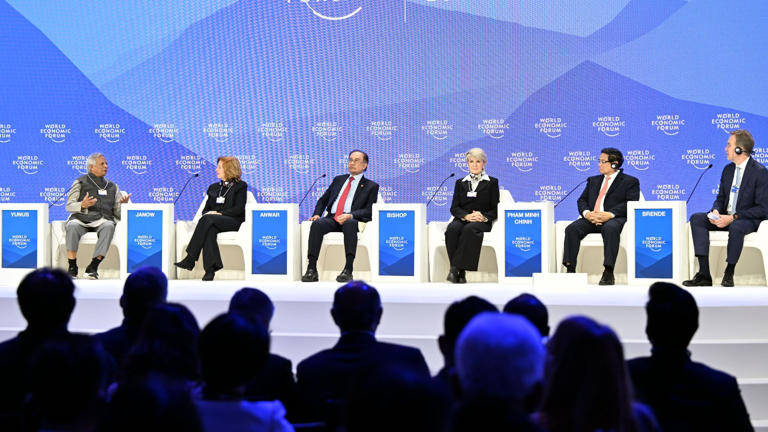
As global leaders convene at the World Economic Forum in Davos, they do so at a pivotal moment for humanity’s shared future. Decisions taken now on energy, finance, and international cooperation will shape climate outcomes, economic resilience, and global stability for generations.
The evidence is unequivocal: expanding coal, oil, and gas production is incompatible with planetary stability and long-term prosperity. Fossil fuels remain the leading cause of global warming and ecosystem degradation, placing growing strain on food systems, public health, infrastructure, and national economies. These risks are already materializing. Climate-driven disasters are pushing insurance costs higher, rendering some regions uninsurable, and increasingly influencing financial markets and corporate balance sheets.
Meanwhile, the global energy transition has reached a decisive phase. Renewable energy is now cheaper, faster to deploy, and more resilient than fossil fuels in most regions. In 2024, renewables accounted for over 90 percent of new global power capacity, signaling that markets are moving faster than politics. Clean energy is also generating jobs at a quicker pace, highlighting where the future of work lies.
Yet fossil fuel interests continue to wield disproportionate influence, stalling progress in global negotiations. Despite this, new coalitions are emerging to accelerate action beyond traditional frameworks. For governments, investors, and businesses, the question is no longer whether the fossil fuel era will end, but who will lead the transition—and who will be left behind. Aligning capital, policy, and innovation with science and justice is no longer optional; it is essential.
https://time.com/7353478/davos-climate-leadership-end-fossil-fuel-era/
Healthcare
Movement restrictions prevent people from accessing lifesaving medical care in Jonglei state

Restrictions in Jonglei State Put Critically Ill Patients at Immediate Risk, MSF Warns
Juba — Médecins Sans Frontières (MSF) warns that ongoing restrictions on humanitarian movement in parts of Jonglei state, South Sudan, are placing the lives of critically ill patients in grave danger. At least 20 patients currently require urgent referral to specialised care, yet delays caused by access constraints are preventing lifesaving treatment. Each postponed referral significantly increases the risk of death or permanent disability.
Since 30 December 2025, restrictions on humanitarian operations have severely disrupted the delivery of essential healthcare and medical supplies to MSF-supported facilities, including Lankien hospital and the healthcare centre in Pieri. These areas are already facing heightened needs due to conflict and displacement, leaving children, pregnant women, and people with chronic or life-threatening conditions particularly vulnerable.
“Patient referrals are not administrative procedures; they are lifesaving interventions,” said Gul Badshah, MSF operations manager. “Every day without access places patients at unacceptable risk.”
MSF is calling for immediate, unhindered humanitarian access to Jonglei state, including predictable and regular flights to enable patient referrals, staff rotations, and the delivery of critical medical supplies. As of mid-January 2026, humanitarian organisations remain unable to secure sustained access, worsening preventable illness and deaths.
Prior to these restrictions, MSF facilities treated more than 1,700 patients weekly, serving a population of approximately 250,000 people. Continued access constraints threaten to deepen displacement, overwhelm limited health services, and further endanger civilian lives.
Politics
Davos 2026: the last-chance saloon to save the old world order?

US President Donald Trump will arrive at this year’s World Economic Forum in Davos leading the largest American delegation ever assembled, even as global leaders prepare to push back against his disruptive policies and renewed tariff threats. The forum’s theme, “A Spirit of Dialogue,” sits uneasily against a backdrop of escalating geopolitical tension and a rapidly fraying rules-based international order.
Trump will be joined by senior figures including Secretary of State Marco Rubio, Treasury Secretary Scott Bessent, Commerce Secretary Howard Lutnick, and special envoy Steve Witkoff. A year after his virtual Davos address set the tone for sweeping tariffs, NATO pressure, and attacks on monetary independence, the global system appears even more strained. War continues in Ukraine, with President Volodymyr Zelenskyy attending Davos to rally support, while Trump’s recent threats toward allies and adversaries alike have heightened fears of geo-economic confrontation.
A WEF survey of political and business leaders identified economic rivalry between major powers as the most pressing global risk, followed closely by the threat of interstate war. Despite this, a counter-movement is emerging. European leaders, NATO chief Mark Rutte, and Ursula von der Leyen are expected to defend free trade, multilateral cooperation, and continued support for Ukraine.
UN Secretary-General António Guterres warned ahead of the meeting that selective respect for international law is pushing global order toward collapse. As military spending soars worldwide, diplomats caution that expanding US power projection could provoke growing resistance rather than stability.
More than 50 years after its founding, Davos still draws global influence—but amid rising fragmentation, its relevance as a forum for collective solutions faces a defining test.
Technology
AI tsunami could disrupt 40% of jobs worldwide, IMF chief warns

Dubai — Around 40 percent of jobs worldwide are likely to be affected by artificial intelligence, the International Monetary Fund has warned, underscoring a profound transformation of labour markets already under way.
Speaking at the World Economic Forum in Davos, IMF Managing Director Kristalina Georgieva said the pace and scale of technological change confronting workers is unprecedented. Addressing a high-level dialogue hosted by the UAE, she cautioned that AI will reshape jobs through automation, augmentation and displacement—creating opportunities, but also widening inequality if societies fail to adapt.
“AI is hitting labour markets like a tsunami,” Georgieva said, warning that countries investing early in skills, digital infrastructure and innovation will pull further ahead, while others risk being left behind. The challenge, she stressed, is not only job loss but unequal access to new forms of work.
Despite global economic resilience and improved growth forecasts, Georgieva said technological disruption, demographic shifts and geopolitical tensions are driving deep structural change that demands policy action.
The UAE’s Special Envoy for Business and Philanthropy, Badr Jafar, highlighted the country’s connectivity-led growth model, noting strong foreign investment and diversification beyond oil. Georgieva cited the UAE and wider Gulf region as economic bright spots, supported by reform, diversification and investment in people.
The Davos discussion reinforced a growing consensus: inclusive growth in the AI era will depend on adaptable businesses, responsible technology use, open trade, and sustained public investment in education and digital skills.
Economics
Gold climbs to record highs on global risks and policy uncertainty

Gold Hits Record Highs as Geopolitical Risks and Fed Uncertainty Fuel Safe-Haven Demand
Gold prices surged to record levels on Tuesday as escalating geopolitical tensions and uncertainty over US monetary policy rattled global markets, reinforcing the metal’s role as a hedge against volatility. Spot gold (XAU/USD) traded near all-time highs, driven by rising conflicts involving Venezuela and Iran, alongside renewed unease over US strategic moves linked to Greenland.
Investors have increasingly shifted toward safe-haven assets as global risk sentiment deteriorates. Ongoing instability in Venezuela and heightened friction with Iran have amplified concerns over energy security and regional spillovers, while lingering questions around US foreign policy have added to market anxiety.
At the same time, uncertainty surrounding the future leadership of the Federal Reserve has weighed heavily on sentiment. President Donald Trump is expected to nominate a successor to Fed Chair Jerome Powell, with markets closely watching for signs of a more dovish policy shift. Expectations of lower interest rates in 2026 have boosted gold’s appeal by reducing the opportunity cost of holding non-yielding assets.
Central bank buying has further strengthened the bullish case. Many monetary authorities continue to add gold to reserves amid concerns over currency depreciation and geopolitical fragmentation.
Analysts say the combination of sustained central bank demand, policy uncertainty, and rising geopolitical risks keeps gold’s longer-term outlook firmly positive. A decisive break above current resistance levels could push prices into a new phase of price discovery, extending gains beyond recent highs.
Politics
Somalia Assumes Rotating Presidency of UN Security Council

Somalia Assumes UN Security Council Presidency in Diplomatic Milestone
United Nations — Somalia on Thursday assumed the rotating presidency of the United Nations Security Council for the month of January, marking a significant diplomatic milestone in the country’s gradual return to the global stage after decades of conflict and isolation.
As council president, Somalia will chair meetings, set the programme of work, and guide deliberations among the 15-member body responsible for maintaining international peace and security. The role places the Somali delegation at the centre of negotiations on armed conflicts, peacekeeping operations, sanctions regimes, and respect for international law.
Diplomats say the appointment reflects growing international confidence in Mogadishu, following years of political reform, state-building efforts, and increased engagement with multilateral institutions. Somalia regained a non-permanent seat on the council in 2024, ending more than five decades outside the world’s most powerful security forum.
The presidency comes at a moment of acute global tension, with conflicts in multiple regions and deep divisions among major powers testing the council’s effectiveness. Somali officials have described the role as an opportunity to champion multilateralism, collective security, and African perspectives on peace and stability.
Beyond its procedural duties, Somalia’s leadership of the council carries strong symbolic weight, underscoring its reintegration into the international system and offering a platform to advocate for durable solutions to security challenges in Africa and beyond.
https://allafrica.com/stories/202601020076.html
Space
NASA launches Pandora telescope, taking JWST’s search for habitable worlds to a new level

NASA’s Pandora Telescope Launches to Sharpen the Search for Distant Worlds
California — A SpaceX Falcon 9 rocket successfully launched NASA’s new exoplanet mission, Pandora, into orbit from Vandenberg Space Force Base on January 11, 2026, marking a major step forward in the study of planets beyond our solar system.
Pandora is designed to work alongside the James Webb Space Telescope, addressing a key challenge that has long limited exoplanet research: interference caused by the stars themselves. While astronomers study exoplanet atmospheres by analyzing starlight filtered through them during planetary transits, stellar activity—such as starspots and magnetic regions—can distort these signals, leading to misleading results.
Pandora will tackle this problem by closely monitoring host stars over long periods, measuring changes in brightness and colour in both visible and infrared light. Unlike Webb, which rarely revisits the same targets, Pandora will observe selected stars repeatedly, allowing scientists to isolate stellar “noise” from true planetary signals.
The small satellite, developed under a faster and lower-cost model than traditional NASA missions, will orbit Earth every 90 minutes while undergoing system checks before full science operations begin. Once operational, Pandora is expected to significantly improve confidence in identifying water, clouds, and potentially life-supporting conditions on small, distant exoplanets—bringing astronomers closer to understanding whether life exists beyond Earth.
War
US, Ukraine and Russia in first trilateral talks of the war

Negotiators from Ukraine, the United States, and Russia began talks in the United Arab Emirates on Friday, marking the first known meeting involving all three sides since Moscow launched its full-scale invasion of Ukraine in 2022.
The discussions, held in Abu Dhabi, were confirmed by Kremlin aide Yury Ushakov, following earlier remarks by Ukrainian President Volodymyr Zelensky. Ushakov said the meeting constituted the first session of a trilateral working group on security issues.
The talks followed lengthy discussions in Moscow between Russian President Vladimir Putin and US special envoy Steve Witkoff, alongside Jared Kushner. Ushakov described those talks as frank and constructive, but warned that any lasting settlement would require resolving territorial disputes, adding that Russia would continue pursuing its objectives on the battlefield until an agreement is reached.
Russia currently occupies around 20 percent of Ukrainian territory, including most of Luhansk and parts of Donetsk, Kherson and Zaporizhzhia regions, all of which Moscow claims to have annexed. Ukraine has repeatedly rejected demands to surrender additional territory, calling them unacceptable under international law.
Russia’s delegation to the Abu Dhabi meeting is led by intelligence chief Igor Kostyukov, while Ukraine’s team is headed by Defence Minister Rustem Umerov. The White House has not commented publicly.
As diplomacy intensifies, fighting continues. Ukraine is struggling to restore power to more than one million people following renewed Russian missile and drone attacks, underscoring the fragile backdrop against which negotiations are unfolding.
https://edition.cnn.com/2026/01/23/europe/ukraine-russia-peace-deal-territory-uae-talks-intl-hnk
Editors’ Note
Neohumanism is humanism of the past, humanism of the present, and humanism – newly explained – of the future. Explaining humanity and humanism in a new light will widen the path of human progress and will make it easier to tread. Neohumanism will give new inspiration and provide a new interpretation for the very idea of human existence. It will help people understand that human beings, as the most thoughtful and intelligent beings in this created universe, will have to accept the great responsibility of taking care of the entire universe, will have to accept that the great responsibility for the entire universe rests on them.
Shrii P R Sarkar
Neohumanism Is the Ultimate Shelter (Discourse 11)
29 March 1982, Calcutta
Published in: The Liberation of Intellect
Prout in a Nutshell Volume 2 Part 8 [a compilation]

THE END
January 17th, 2026
Economy
China-led cross-border digital currency platform sees surge

LONDON, Jan 16 (Reuters) — Activity on a China-backed digital currency platform has expanded rapidly, underscoring growing efforts to develop alternatives to dollar-centric global payment systems. According to new analysis by the Washington-based Atlantic Council, transactions on the prototype cross-border platform known as mBridge have exceeded $55 billion, marking a dramatic rise in usage.
The platform, which is being tested by central banks in China, Hong Kong, Thailand, the United Arab Emirates and Saudi Arabia, has now processed more than 4,000 cross-border payments. The cumulative transaction value of $55.5 billion represents an increase of roughly 2,500 times compared with the project’s early stages in 2022. The digital yuan accounts for an estimated 95% of total volume processed on the platform.
China’s digital currency, officially known as the e-CNY, remains the world’s largest live central bank digital currency experiment. Data released by the People’s Bank of China show that more than 3.4 billion e-CNY transactions have been completed, with a total value of about 16.7 trillion yuan ($2.4 trillion), an increase of over 800% compared with 2023. Chinese state media have also reported that the digital yuan will begin paying interest to holders this year, a move widely viewed as an attempt to encourage broader adoption.
“These developments suggest a gradual expansion of the yuan’s international role through digital infrastructure,” said Atlantic Council analyst Alisha Chhangani. Rather than directly challenging the U.S. dollar, she noted, China and its partners are building parallel settlement systems that reduce dependence on existing dollar-based rails.
The project is being closely monitored by policymakers worldwide. Although the Bank for International Settlements withdrew from direct oversight in late 2024, mBridge remains well ahead of comparable initiatives. Analysts expect the platform to increasingly support trade settlements, particularly in energy and commodity markets where China plays a major global role.
Agriculture
‘Like wastelands’: Sri Lanka tea plantations suffer Cyclone Ditwah’s wrath

Colombo, Sri Lanka — For nearly three decades, Sundaram Muttupillai, 46, earned his living on a tea estate in Thalawakelle, in Sri Lanka’s central highlands. That life was abruptly upended last week when Cyclone Ditwah — the worst storm to strike the island in a century — swept through the region, destroying his home and leaving him without work.
The cyclone carved a devastating path across the country, killing at least 635 people and affecting more than two million — nearly one-tenth of the population. President Anura Kumara Dissanayake declared a state of emergency, designating 22 of Sri Lanka’s 25 districts as disaster zones. The central tea- and vegetable-growing belt suffered the heaviest losses, with at least 471 deaths reported and widespread destruction of plantations, homes, roads and railways.
“It is all gone,” Muttupillai said, describing impassable roads, shortages of essentials and the loss of any immediate hope of recovery. Thousands of plantation workers have been displaced, their livelihoods washed away by floods and landslides.
Tea, Sri Lanka’s second-largest export earner after apparel, generates about $1.3 billion annually. But the cyclone uprooted mature bushes, disrupted fertiliser supplies and halted work across estates. Preliminary estimates suggest tea output could fall by up to 35 percent, dealing a severe blow to an already vulnerable community.
The disaster has deepened Sri Lanka’s economic fragility as it struggles under heavy debt and an ongoing recovery supported by the International Monetary Fund. Economists warn that supply-chain disruptions will push food prices higher, cut export earnings and delay growth.
As survivors shelter in relief camps, many plantation families say they are grateful to be alive — even as they fear their way of life may never fully return.
Man made Disaster
What led to the deadly Binaliw landfill landslide

Cebu City, Philippines — The collapse of the Binaliw landfill has emerged as one of the deadliest industrial disasters in the city’s history, killing at least 22 people, injuring 18, and leaving 14 others missing as of January 15, 2026. The tragedy has also triggered a wider waste crisis across Metro Cebu.
The disaster struck shortly before 5 p.m. on January 8, when a large section of the landfill in Barangay Binaliw gave way, burying workers under tons of garbage, soil, and twisted steel. Employees stationed near the base of the landfill and in adjacent offices were caught off guard, with survivors saying the collapse came without warning despite long-standing fears over the site’s growing height.
Families of missing workers gathered anxiously at the scene, many saying they had raised safety concerns for years, especially during heavy rains. Authorities say rescue efforts have been slow due to unstable ground, toxic fumes, flooding, and the risk of further collapses.
Initial findings by the Department of Environment and Natural Resources cite waste oversaturation, excessive landfill height, prolonged rainfall, and poor drainage. A cease-and-desist order has shut the site down, leaving Cebu City and neighboring areas scrambling for temporary waste disposal solutions.
As investigations continue, officials warn the disaster underscores deep flaws in waste management and the urgent need for safer, long-term systems across Metro Cebu.
Medicine
Statins May Help More People With Type 2 Diabetes Than Doctors Once Thought

A long-standing debate over whether people with type 2 diabetes at low cardiovascular risk benefit from statins may be nearing resolution. New evidence suggests these widely used cholesterol-lowering drugs could offer protection to a broader group of patients than current practice often assumes.
In a large real-world cohort study published in Annals of Internal Medicine, researchers found that statin therapy was associated with lower rates of death and serious cardiovascular events among adults with type 2 diabetes, even when their predicted 10-year cardiovascular risk was considered low.
Statins reduce levels of LDL, or “bad,” cholesterol by limiting its production in the liver, helping prevent plaque buildup in blood vessels that can lead to heart attacks and strokes. Because diabetes progressively damages blood vessels, statins are commonly prescribed for prevention, but uncertainty has remained about their value for patients at the lowest risk.
Researchers from the University of Hong Kong analyzed U.K. primary care data from adults diagnosed with type 2 diabetes between 2005 and 2016. Using a target trial emulation approach, they tracked outcomes for up to 10 years across different cardiovascular risk categories.
Even in the low-risk group, statin use was linked to modest but meaningful reductions in overall mortality and major cardiovascular events. Side effects were minimal, with no increased liver risk reported.
The findings suggest clinicians should consider statins for a wider range of adults with type 2 diabetes, not only those at high predicted cardiovascular risk.
Culture
Top Australian writers’ festival canceled after Palestinian author is barred

Sydney — One of Australia’s leading literary events was canceled on Tuesday after a mass boycott by authors and the resignation of its director, amid accusations of censorship and threats to free expression.
Louise Adler, director of Adelaide Writers’ Week, stepped down after the festival board moved to disinvite Palestinian-Australian writer Randa Abdel-Fattah. Adler, the Jewish daughter of Holocaust survivors, said she could not be part of a decision that silenced a writer or restricted protest and political expression in the wake of last month’s Bondi Beach mass shooting.
Abdel-Fattah condemned her removal as “a blatant and shameless act of anti-Palestinian racism and censorship.” The controversy followed heightened national tensions after the attack at a Jewish Hanukkah celebration, which killed 15 people. Prime Minister Anthony Albanese announced a national day of mourning on January 22 and pledged stronger action against antisemitism.
The festival board said it disinvited Abdel-Fattah out of sensitivity to the Jewish community, but later apologized, acknowledging the decision deepened divisions. The board confirmed the event would be canceled and remaining members would resign.
More than 180 authors withdrew, including Jacinda Ardern, Zadie Smith, Kathy Lette, Percival Everett, and Yanis Varoufakis, bringing the festival to an unprecedented halt.
Policy
Gavin Newsom moves to neutralize tax on billionaires
California Governor Gavin Newsom and his aides have been quietly holding talks with labor leaders behind a controversial proposal to tax billionaires, searching for a way to defuse a potentially bruising ballot fight later this year. The discussions, ongoing intermittently for months, come as a ballot initiative backed by the powerful healthcare union SEIU-UHW has moved from political obscurity to the center of a heated debate over inequality, Silicon Valley wealth, and California’s economic future.
Newsom confirmed he has met directly with union president Dave Regan, describing the outreach as an “all-hands” effort. Despite the talks, prospects for compromise appear slim. Union leaders say no further meetings are scheduled and argue a ballot showdown is increasingly likely. SEIU-UHW chief of staff Suzanne Jimenez said the initiative is essential to offset federal cuts that threaten hospital closures and healthcare jobs.
Newsom has repeatedly rejected wealth tax proposals, warning they could destabilize California’s tax base and drive investment out of state. Still, both sides have a history of striking last-minute deals, including a 2022 agreement raising healthcare worker wages.
The governor is highly motivated to stop the measure, fearing economic fallout and political backlash as speculation grows about national ambitions. Wealthy opponents, including investor Ron Conway, have already mobilized against the proposal, underscoring the high stakes of the looming fight.
https://www.nytimes.com/2026/01/13/us/newsom-billionaire-tax-california.html?smid=whatsapp-nytimes
Molecular Science
Scientists warn of a new biological risk and call for an international summit

Thirty-eight researchers from around the world are calling for caution over “mirror life” — a hypothetical form of biology built from mirror-image molecules that could behave in unpredictable ways if introduced into nature. In response, a leading biomedical research center in Paris is convening an international summit to assess the risks and explore safeguards before the science advances further.
The concern draws historical weight from the Pasteur Institute, where Louis Pasteur first described molecular chirality in 1847. Living systems on Earth rely on a single molecular “handedness,” and immune defenses, enzymes, and ecosystems are finely tuned to recognize it. Mirror-image organisms, if created, could evade immune detection, resist natural predators, and disrupt ecological balance.
Researchers warn that unlike inert chemicals, living microbes can reproduce, spread, and evolve, meaning even small accidents could escalate quickly. Although mirror chemistry already has safe applications in drug development, risks rise sharply when chemistry turns into self-replicating life.
The Paris summit builds on earlier public discussions and invite-only workshops that brought together scientists, ethicists, legal experts, and policymakers. Participants examined governance, biosecurity, funding rules, and containment strategies, emphasizing the need for international coordination.
Scientists argue that now — while mirror organisms remain theoretical — is the moment to set clear boundaries. Early, transparent debate could prevent dangerous experiments while still allowing safe scientific discovery to proceed.
Pollution
Why one of Italy’s biggest environmental scandals is causing a stir in Maharashtra’s Ratnagiri

Mumbai — A court ruling in Italy sentencing former executives of Miteni for polluting land and water with PFAS, or “forever chemicals,” has triggered debate thousands of kilometres away in Maharashtra’s Konkan region. The judgment, delivered in Vicenza in June, has focused attention on Laxmi Organic Industries, which produces fluorochemicals at Lote Parshuram near Chiplun using technology acquired from Miteni.
PFAS are a large family of synthetic chemicals valued for durability, heat resistance, and water- and oil-repelling properties, making them difficult to replace in electronics, medical devices, and electric vehicles. Their persistence in the environment, however, has raised global health and ecological concerns. Activists and opposition politicians argue that technology linked to a shuttered Italian plant should not be operating in India. NCP MLA Rohit Pawar has called for the unit’s closure, citing potential risks.
State Industries Minister Uday Samant has said an expert committee will assess the project, while the Maharashtra Pollution Control Board has launched a routine compliance probe. Officials say PFAS are not banned in India and action would follow only if violations are found.
Laxmi Organic maintains it has all statutory approvals and that comparisons with Miteni are misleading, noting India’s stricter controls on effluent treatment. Yet concerns persist about the wider Lote Parshuram industrial area, where past findings by the National Green Tribunal flagged shortcomings in the common effluent treatment plant. The controversy underscores growing tension between industrial growth and environmental accountability in India.
Space
2026 will be a big year for space science

In 2026, space exploration will enter a new phase as landmark missions reshape how humanity studies the universe and ventures beyond Earth. Astronauts will circle the Moon for the first time since Apollo, next-generation telescopes will begin mapping billions of galaxies, and several nations will launch ambitious missions to search for habitable worlds, lunar water, and clues to the origins of the solar system.
A centerpiece of this scientific surge is NASA’s Nancy Grace Roman Space Telescope, expected to launch as early as fall 2026. With a field of view far larger than Hubble’s, Roman will survey vast swaths of the cosmos, discovering thousands of exoplanets and probing dark matter and dark energy. Europe’s PLATO mission, launching later in 2026, will focus on Earth-like planets around nearby stars, while China’s Xuntian will conduct wide-field galaxy surveys alongside the Tiangong space station.
Human spaceflight will also see historic milestones. NASA’s Artemis 2 will send astronauts around the Moon, while India advances toward its first human mission under Gaganyaan. China will continue regular crewed missions in low Earth orbit.
Planetary science features prominently too, with Japan’s Mars moon sample-return mission and China’s Chang’e 7 targeting lunar polar ice. Meanwhile, the joint Europe–China SMILE mission will study space weather that affects Earth.
Together, these efforts reflect a defining moment—marked by competition, cooperation, and a shared quest to understand our place in the universe.
https://www.astronomy.com/science/2026-an-exciting-year-for-space-science/
Politics
U.S. threats of a Greenland takeover spark talk of trade wars

A renewed push by the United States to seize Greenland could seriously strain transatlantic trade relations, France’s finance minister has warned, with analysts cautioning that tariffs or sanctions could spark a wider trade war.
U.S. President Donald Trump has intensified rhetoric this month about annexing Greenland and has not ruled out the use of force. Recent talks involving the U.S., Denmark, and Greenland ended without any diplomatic breakthrough, adding to growing unease in Europe.
French Finance Minister Roland Lescure told the Financial Times that any attempt to take Greenland would risk damaging economic ties between the U.S. and Europe. He stressed that Greenland is a self-governing territory of Denmark, which is both a sovereign nation and a member of the European Union, and should not be treated lightly.
When asked whether the EU would respond with sanctions if the U.S. moved militarily, Lescure said such an event would place Europe in “a totally new world,” requiring a reassessment of economic and political responses.
Trump has argued that Greenland is strategically vital for U.S. national security. Analysts say Washington is keen to secure influence over emerging Arctic shipping routes and potential access to critical minerals used in defense and advanced industries.
Dan Alamariu of Alpine Macro told CNBC that significant U.S. economic pressure on Denmark could provoke a strong EU response, raising the risk of retaliatory measures and market volatility. While a NATO breakdown is unlikely, he noted that political and market backlash could restrain any extreme action.
Mass Protest
Iran supreme leader admits thousands killed during recent protests

Iran’s Supreme Leader Ayatollah Ali Khamenei has, for the first time, publicly acknowledged that thousands of people were killed during recent nationwide protests, admitting that some deaths occurred in an “inhuman, savage manner.” His remarks mark a rare concession amid weeks of unrest and heavy information restrictions.
According to the U.S.-based Iranian Human Rights Activists News Agency (HRANA), at least 3,090 people have been killed in the crackdown, though some activist groups believe the toll is far higher. A near-total internet blackout has made independent verification extremely difficult. On Saturday, overall connectivity stood at just 2% of normal levels, according to NetBlocks.
In a speech on Saturday, Khamenei blamed the United States for the bloodshed, accusing Washington of fomenting unrest. Protests that began on December 28 over economic grievances have since evolved into calls for an end to the supreme leader’s rule. Iranian authorities have dismissed the demonstrations as foreign-backed “riots.”
Videos verified by BBC Persian and BBC Verify show security forces firing on protesters. While reports of unrest have decreased in recent days, limited communication has obscured the situation on the ground.
U.S. President Donald Trump has urged demonstrators to continue protesting and warned of possible military action if killings resumed. Iran, meanwhile, has accused the U.S. of aggression, heightening fears of a wider confrontation as both sides trade threats and warnings.
https://www.bbc.com/news/articles/ckglee733wno
Editors’ Note
In the stage of synthesis a particular social, economic and political theory may be beneficial in a particular place or to a particular group, but this is no guarantee that the same theory will prove equally beneficial with changes in time, space and person. In changed circumstances oppressed people, who pass their days in distraction and despair as victims of social injustice, put up an antithesis against the synthesis of that period. Numerical majority and physical might are not the sole prerequisites for the emergence of an antithesis. If the oppressed are an intellectual group, then no matter how few their numbers, they can put up an antithesis. As soon as the antithesis is created the former ideology ceases to be a synthesis. It becomes the thesis in the next phase. So, in the second phase, an antithesis will again emerge against that very thesis.
P R Sarkar
Dialectical Materialism and Democracy
Published in: A Few Problems Solved Part 2

THE END
January 10th, 2026
Medicine
2025 Nobel Prize in Medicine Spotlights the Mechanism of Cancer Immune Evasion
Nobel Prize in Medicine 2025 Honors Breakthroughs in Immune Tolerance

On Monday, October 6, 2025, the Nobel Assembly at Karolinska Institutet awarded the Nobel Prize in Physiology or Medicine to Mary E. Brunkow, Fred Ramsdell, and Shimon Sakaguchi for their discoveries in peripheral immune tolerance—the process that keeps the immune system from attacking the body’s own tissues.
Immune tolerance relies on two mechanisms: central tolerance, established in the thymus and bone marrow, and peripheral tolerance, which operates in tissues and lymph nodes to prevent excessive immune reactions to allergens, gut microbes, and other environmental triggers. The laureates’ work revealed how regulatory T cells (Tregs) play a central role in this balance.
In 1995, Sakaguchi showed that Tregs actively suppress autoimmune responses, overturning the belief that tolerance depended only on eliminating harmful immune cells. Brunkow and Ramsdell later identified the gene FOXP3 as essential for Treg development and function, linking its mutation to IPEX syndrome, a severe autoimmune disorder in children.
These discoveries transformed understanding of immune regulation and have major implications for cancer therapy. While Tregs protect against autoimmunity, they can also shield tumors from immune attack, making them a critical—yet challenging—target in modern immunotherapy.
Higher Education
Higher Education suffers a brutal year as 9000 jobs cut (out of 4 million total)

Higher education has endured what many leaders are calling a “brutal year,” with an estimated 9,000 jobs cut across colleges and universities, highlighting deepening financial stress in the sector. While the losses represent a small fraction of the roughly four million people employed in higher education, the cuts have had an outsized impact on campuses already grappling with uncertainty.
Institutions point to a convergence of pressures: declining enrollment in several regions, rising operating costs, reduced public funding, and lingering effects of pandemic-era disruptions. Smaller private colleges and regional public universities have been especially vulnerable, often resorting to layoffs, hiring freezes, program closures, and early retirement schemes to balance budgets.
Faculty and staff reductions have affected both academic and non-academic roles, raising concerns about larger class sizes, reduced student services, and increased workloads for remaining employees. Unions and faculty groups warn that repeated cuts risk undermining educational quality, research output, and campus morale.
University administrators argue that many decisions were unavoidable, describing the past year as one of crisis management rather than long-term planning. Some leaders say restructuring now is necessary to ensure institutional survival in the face of demographic shifts, including a projected decline in the traditional college-age population.
Despite the grim figures, observers note that job losses remain relatively limited compared to the sector’s overall size. Still, the year has served as a stark reminder that higher education is not immune to economic shocks, and that many institutions may need to rethink funding models, academic offerings, and workforce structures to navigate an increasingly volatile future.
Politics
U.S. to exit 66 international organisations as Trump further retreats from global cooperation

Washington, D.C.: The United States is set to withdraw from 66 international organisations, marking a significant escalation in its retreat from multilateral engagement under President Donald Trump. The decision, announced by senior administration officials, reflects a renewed “America First” approach that prioritises national sovereignty and domestic interests over collective global commitments.
According to officials, the planned exits include a wide range of bodies linked to health, education, climate, labour, and cultural cooperation. The administration argues that many of these organisations impose financial burdens on U.S. taxpayers, limit policy autonomy, or promote agendas misaligned with American interests. “The United States will no longer fund or participate in institutions that do not serve its people fairly,” an official statement said.
Critics, however, warn that the move could significantly weaken global governance and reduce Washington’s influence on international norms and decision-making. Diplomats and policy experts argue that withdrawing from multilateral forums risks ceding leadership to rival powers, particularly China, while undermining coordinated responses to global challenges such as pandemics, climate change, and security threats.
Allied nations have expressed concern, urging the U.S. to reconsider and remain engaged in global institutions it helped build after World War II. As the withdrawals proceed, the decision is expected to reshape America’s global role and strain long-standing diplomatic partnerships.
Civil Protest
Huge anti-government protests in Tehran and other Iranian cities

Tehran: Large-scale anti-government protests have erupted in Tehran and several other cities across Iran, marking one of the most significant waves of public unrest in recent years. Demonstrators gathered in major urban centres, chanting slogans according to eyewitness accounts and local reports.
Protests in Iran have erupted due to soaring inflation, currency collapse, unemployment, and rising living costs, combined with public anger over political repression, corruption, lack of freedoms, and frustration with government accountability amid worsening economic and social conditions.
The protests, which spread rapidly through social media despite internet disruptions, were reported in cities including Isfahan, Shiraz, Mashhad, and Tabriz. Many participants expressed anger over the sharp decline of the national currency, high inflation, and what they describe as long-standing corruption and lack of accountability. Videos circulating online showed large crowds filling streets and squares, with some clashes reported between protesters and security forces.
Authorities responded by increasing the presence of police and security units in sensitive areas. State media said order was being maintained, while officials blamed “foreign interference” for fuelling unrest. Supreme Leader Ayatollah Ali Khamenei has previously warned against protests that challenge the Islamic Republic, and harsh measures are often taken to suppress dissent.
Rights groups and activists have called for restraint, urging the government to respect the right to peaceful protest. The situation remains tense, with uncertainty over how the unrest may evolve in the coming days.
https://www.bbc.com/news/articles/cg7y0579lp8o
Dentistry
Human Teeth Could Be Regrown Within Years, Scientists Say

Scientists are on the brink of a dental revolution: humans may soon be able to grow new teeth naturally, potentially within the next four to five years. Researchers in Japan have begun human clinical trials of an experimental drug designed to stimulate the body’s own tooth-regrowth mechanisms, offering a potential alternative to dentures and implants.
The breakthrough centres on targeting the USAG-1 protein, a molecule that normally prevents new teeth from forming after adulthood. By blocking USAG-1, the treatment may reactivate dormant tooth buds, triggering the biological pathways that once grew baby and adult teeth. Early animal studies showed success in inducing new tooth growth, and the first human trials began in late 2024 with participants missing one or more teeth.
If these trials prove safe and effective, scientists hope the treatment could be commercially available by around 2030, transforming dental care. The technology could dramatically reduce reliance on artificial replacements like implants, offering teeth that develop and integrate naturally in the jaw.
This innovation marks a major leap forward in regenerative medicine and dental biotechnology, employing molecular biology to harness the body’s own growth potential rather than mechanical prosthetics.
Agriculture land
To slow the desert, China bets on a “Great Green Wall” of tens of billions of trees

China’s “Great Green Wall” Uses Technology to Slow Desert Expansion
Beijing: China’s ambitious “Great Green Wall” project aims to slow and reverse the spread of the Gobi and Taklamakan deserts by creating one of the world’s largest man-made forests, stretching thousands of kilometres across the country’s arid north. Initiated in 1978, the project—officially the Three-North Shelter Forest Program—has already led to the planting of over 66 billion trees, with plans to plant tens of billions more by 2050.
The procedure involves strategic afforestation and cutting-edge environmental engineering. First, scientists and planners map degraded land using satellite imagery and soil-moisture data to identify high-priority areas for intervention. Specialized mechanical augers dig planting holes 70–130 cm deep, allowing saplings and tree cuttings to establish robust root systems. Cuttings—often soaked beforehand to boost survival—are planted in sand and anchored to prevent shifting dunes.
In recent years, technology has played an expanded role. Drones and GIS systems help plant seedlings in remote or difficult terrain, increasing efficiency and coverage. Additionally, experiments with soil-stabilising microbes like blue-green algae (cyanobacteria) are underway to form a living crust that stabilises sand and supports later tree growth.
The green barrier not only curbs desertification and reduces dust storms but also contributes to carbon capture and local economic revitalisation. However, scientists caution that success depends on ongoing innovation, water management, and biodiversity planning to ensure trees survive in harsh conditions.
https://www.aptaerials.co.uk/04-163927-china-bets-on-a-great-green-wall/
Science and Technology
CES Consumer Electronics Show 2026

Las Vegas, January 10, 2026: The world’s largest consumer technology show, CES 2026, concluded its four-day run in Las Vegas, reaffirming its role as a global stage for cutting-edge innovation. The event was held from January 6 to January 9, 2026, primarily at the Las Vegas Convention Center, drawing thousands of exhibitors, startups, investors, and tech enthusiasts from across the world .
Artificial intelligence dominated CES 2026, with AI-powered devices embedded across smartphones, home appliances, healthcare tools, and robotics. Companies showcased on-device AI, humanoid service robots, and intelligent assistants designed to simplify everyday life. Display technology was another major highlight, as leading brands unveiled ultra-large Micro-LED and OLED televisions with improved brightness, energy efficiency, and immersive viewing experiences .
Smart home and lifestyle technologies also attracted attention, featuring Matter-enabled devices, automated kitchens, connected lighting systems, and energy-efficient appliances. Health and wellness innovations—ranging from advanced wearables to AI-based monitoring devices—signaled the growing convergence of technology and personal care.
Overall, CES 2026 reflected how innovation is moving beyond gadgets toward smarter, more connected, and human-centric solutions, offering a clear glimpse into the technologies that are expected to shape homes, workplaces, and daily life in the years ahead.
International Relations
Trump ramps up Greenland threats and says US will intervene ‘whether they like it or not’


Washington / Nuuk: Former U.S. President Donald Trump has reignited global controversy by sharply escalating rhetoric over Greenland, declaring that the United States would intervene “whether they like it or not” to secure its interests in the Arctic territory. The remarks have alarmed European leaders and drawn strong pushback from Greenlandic and Danish authorities.
Trump’s renewed focus on Greenland is rooted in strategic calculations. The island occupies a critical position in the Arctic, a region growing in military and economic importance as melting ice opens new shipping routes and access to minerals. Greenland also hosts long-standing U.S. military infrastructure, reinforcing Washington’s security interests. Trump has argued that U.S. control or dominance would strengthen national security and counter rival powers expanding their Arctic presence.
However, leaders in Greenland and Denmark have firmly rejected any notion of coercion, emphasizing Greenland’s right to self-determination under international law. European Union officials echoed this stance, warning that threats undermine alliances and destabilize Arctic cooperation.
Critics say Trump’s comments risk inflaming geopolitical tensions and alienating NATO partners at a time when unity is crucial. Supporters, however, argue that his blunt approach reflects hard geopolitical realities. The episode highlights how Greenland has become a flashpoint where climate change, resource competition, and great-power politics increasingly collide.
https://www.theguardian.com/us-news/2026/jan/09/trump-greenland-threats-white-house
Economy
Global Economy Under Strain: Venezuela Hit Hardest


The global economy is facing renewed stress in early 2026, with several countries experiencing severe downturns due to inflation, debt, sanctions, and political instability. Among them, Venezuela stands out as the nation most acutely affected by economic collapse, according to recent international assessments .
Venezuela’s economy continues to spiral as its currency plunges sharply on the black market and inflation accelerates toward hyperinflationary levels. Ongoing U.S. sanctions on the oil sector, weak domestic production, and chronic mismanagement have eroded state revenues, leaving millions struggling to afford basic food, healthcare, and utilities. Public sector wages have failed to keep pace with soaring prices, deepening poverty and prompting continued migration out of the country .
The crisis has also spilled over into Cuba, which depends heavily on Venezuelan oil supplies. Disruptions have caused prolonged power outages, fuel shortages, and declining industrial output, worsening what Cuban authorities describe as the country’s most serious economic crisis in decades .
Elsewhere, Argentina is grappling with extreme inflation and market volatility, while parts of United Kingdom have entered their longest industrial slowdown since the global financial crisis, particularly in construction and manufacturing sectors .
Economists warn that without policy stability, debt relief, and international cooperation, fragile economies risk deeper social unrest. The situation highlights how global shocks—combined with domestic vulnerabilities—can push already weakened nations toward economic collapse.
The above news is compiled from different sources, hence the reference to all website address is not feasible.
Editors’ Note
It will have to be explained to all that there will be clash between different nations as long as national feelings exist. Some may talk of disarmament, but military preparation will go on underground. If people dedicate themselves to the cause of the welfare of the entire human race, their respective nations will also be benefited.
The one Cosmic Ideology will have to be preached; that one Supreme Father, the Cosmic Entity, is the goal of all living beings. This spiritual sentiment will keep humanity united for all time to come. It will form the entire planetary world and even the universe into a nation. Then there will be only one nation – a World Nation. No other theory can save the human race.
Shrii P R Sarkar
From the book – “To the Patriots”

THE END
January 3rd, 2026
Energy
Goodbye to solar panels: Japan finally creates solar cells that don’t need to be flat to work – A Milestone tried since 1883

In a landmark achievement for renewable energy, Japan has unveiled the world’s first solar cells that don’t need to be flat to work, potentially transforming how solar power is harvested and integrated into everyday life. For nearly 150 years, since Charles Fritts built the earliest photovoltaic devices in 1883, solar technology has relied on rigid, flat panels that must be oriented toward the sun to capture energy efficiently.
Now, Japan’s Kyosemi Corporation has developed Sphelar® — tiny spherical photovoltaic cells that capture sunlight from all directions without the need for tracking systems or fixed mounting. Unlike traditional solar panels, these spherical cells harness energy from direct, reflected, and ambient light, making them effective throughout the day and across seasons.
The breakthrough stems from challenging the long-held assumption that flat surfaces are necessary for photovoltaic efficiency. By engineering a curved P-N junction on a round silicon structure, engineers have proved the concept works in practice, not just theory.
Though still in early prototype stages and facing manufacturing hurdles, Sphelar points to a future where solar power can be integrated into urban environments, textiles, and irregular surfaces, reshaping the global energy landscape.
http://ecoportal.net/en/japan-achieves-again-kyosemis-sphelar/14849/
Technology
Fire-proof, ‘smarter’ lithium-ion battery? How it could change the world

Scientists are moving closer to a new generation of lithium-ion batteries that are not only far safer but also “smarter,” potentially transforming everything from smartphones to electric vehicles and large-scale energy storage. The innovation targets one of the biggest weaknesses of today’s batteries: the risk of fire caused by overheating and internal short circuits.
Conventional lithium-ion batteries rely on flammable liquid electrolytes. When damaged, overcharged, or exposed to high temperatures, these liquids can trigger thermal runaway—a chain reaction that leads to fires or explosions. Researchers have now developed alternative battery designs using non-flammable or fire-resistant electrolytes, advanced separators, and self-regulating materials that can shut down battery activity before temperatures reach dangerous levels.
What makes these batteries “smarter” is their ability to sense internal changes. New materials can detect abnormal heat, pressure, or chemical reactions and automatically slow or stop ion movement, preventing failure at an early stage. Some designs even allow the battery to recover once conditions stabilize, extending lifespan and reliability.
The implications are far-reaching. In electric vehicles, fire-proof batteries could significantly reduce safety concerns, accelerate consumer adoption, and allow denser energy storage without increasing risk. For smartphones, laptops, and wearable devices, the technology promises longer battery life with far fewer safety incidents. On a larger scale, safer batteries could revolutionize renewable energy storage, making solar and wind power more dependable by enabling massive, low-risk battery installations.
While challenges remain—such as manufacturing costs and scaling up production—experts say these advances mark a turning point. A fire-proof, intelligent lithium-ion battery could redefine global energy use, supporting a safer transition to electrified transport, smart devices, and a cleaner, more resilient energy future.
Pollution
Nigeria Begins Assessing Damage From Lead Recycling Linked to U.S. Car Batteries

The Nigerian government has launched a nationwide effort to document the health and environmental damage caused by factories that processed recycled lead later exported to the United States for use in car batteries. The move follows a joint investigation by The New York Times and The Examination, which uncovered widespread contamination and serious public health risks tied to the global battery supply chain.
According to the investigation, several lead recycling plants operating in Nigeria released toxic waste into surrounding communities, exposing workers and nearby residents—especially children—to dangerously high levels of lead. Medical experts warn that lead poisoning can cause irreversible brain damage, developmental delays, kidney disease, and increased risk of death. Soil and water samples collected near factory sites showed contamination far above internationally accepted safety limits.
Despite these impacts, the recycled lead was shipped abroad and incorporated into car batteries supplied to some of the world’s largest automobile manufacturers, highlighting a troubling disconnect between clean-energy and recycling goals in wealthy nations and the environmental burden placed on poorer countries.
Nigerian authorities say the new cataloging effort will involve health screenings, environmental testing, and a review of permits issued to recycling companies. Officials have also indicated that the findings could support legal action, cleanup demands, and stricter regulation of hazardous waste industries.
Environmental advocates argue the case exposes systemic failures in global recycling practices. While lead recycling is promoted as sustainable, weak oversight and cost-cutting measures can shift pollution and health risks to vulnerable populations.
The Nigerian government’s action signals a growing demand for accountability in international supply chains and raises fresh questions about how “green” technologies are produced—and who ultimately pays the price for them.
https://www.nytimes.com/2025/12/18/world/africa/nigeria-lead-factory-closings.html
Political
Five Laws Going Into Effect for New York in 2026

As 2026 begins, New York State is set to implement a slate of major laws that will affect residents’ finances, workplaces, healthcare, and consumer protections. Here are five key changes now taking effect:
- Minimum Wage Increase – On January 1, 2026, New York’s minimum wage rises to $17 per hour in New York City, Westchester, and Long Island, and $16 per hour in the rest of the state. Future increases will be tied to inflation beginning in 2027.
- Expanded Child Tax Credits – Families will benefit from the state’s largest-ever expansion of the child tax credit, offering up to $1,000 annually for young children, providing meaningful financial relief for households across New York.
- Earned Safe and Sick Time Act Changes – New York City will expand the Earned Safe and Sick Time Act, giving workers additional unpaid safe/sick hours available upon hire and broader reasons to use them, replacing previous temporary schedule change provisions.
- Organ Donation Authorization – A new state law broadens who can authorize organ and tissue donation, allowing close friends—not just family members—to make decisions for deceased individuals, aiming to increase donation rates.
- Driving Point System Reform – The state overhauls its driver license points system, lowering the threshold for suspension and increasing penalties for violations such as handheld phone use, as part of efforts to improve road safety.
Other changes include consumer protections, tax adjustments, and labor law updates slated throughout the year. Together, these laws reflect New York’s focus on worker rights, economic support for families, and public safety as the new year unfolds.
https://www.nytimes.com/2026/01/02/nyregion/2026-new-laws-new-york-state.html
History
Thousands of dinosaur footprints found on Italian mountain

Thousands of Dinosaur Footprints Found on Italian Mountain
Scientists in Italy have uncovered an extraordinary fossil site after a wildlife photographer stumbled upon tens of thousands of dinosaur footprints preserved on the nearly vertical cliffs of the Stelvio National Park in the Italian Alps. The remarkable discovery, near the northern town of Bormio, dates back approximately 210 million years to the Triassic period, making it one of the most significant trace fossil sites ever found in Europe.
The footprints, now visible on cliff faces more than 2,000 metres above sea level, were first spotted by photographer Elio Della Ferrera in September while exploring the Fraele Valley. Researchers estimate the number of distinct tracks at up to 20,000, some measuring about 40 centimetres across with clear impressions of toes and claws. Scientists believe most were left by long-necked herbivorous dinosaurs known as prosauropods, relatives of later giants like the Plateosaurus, which roamed what was once a warm tidal flat adjacent to the ancient Tethys Ocean.
Experts say the footprints provide a rare glimpse into how prehistoric dinosaurs moved and behaved, with some tracks suggesting synchronized group movement or gatherings. Because the site is extremely difficult to reach, researchers plan to use drones and remote sensing technologies to create detailed 3D models for study.
The find arrives just weeks before the 2026 Milano-Cortina Winter Olympics, and though the site remains remote, it has already been hailed as a “scientific treasure” that could yield new insights into Earth’s distant past.
https://www.bbc.com/news/articles/c30j94p56d6o
Medicine
WHO Global Summit charts a bold future for traditional medicine

NEW DELHI — The World Health Organization (WHO) concluded its Second Global Summit on Traditional Medicine in New Delhi last week, setting a far-reaching agenda to embed traditional healing practices more firmly into global health systems. The event drew 800 delegates from more than 100 countries, including health ministers, scientists, Indigenous leaders, and practitioners, alongside over 16,000 virtual participants.
Under the theme “Restoring Balance: The Science and Practice of Health and Well-Being,” the summit focused on transforming traditional medicine—long used by billions worldwide—into a safer, evidence-based, and scientifically integrated part of modern healthcare. Attendees discussed strategies to strengthen research, regulation, and system integration so that traditional approaches can complement conventional medicine effectively.
A major highlight was the launch of the Traditional Medicine Global Library, a first-of-its-kind digital platform consolidating over 1.6 million resources on traditional, complementary, and integrative medicine, from Indigenous knowledge to scientific studies. WHO also announced the formation of the Strategic and Technical Advisory Group on Traditional, Complementary and Integrative Medicine (STAG-TM) to guide research priorities, develop standards, and support global adoption.
The summit concluded with the Delhi Declaration, a set of commitments from participating nations to accelerate access to trusted traditional medical knowledge and innovation, harnessing technologies such as artificial intelligence and genomics to validate and expand safe practices.
Experts say this marks a turning point in elevating traditional medicine from cultural practice to a scientifically supported, inclusive component of health care worldwide.
Finance
BRICS Launched a Gold-Backed Currency — Here’s How “The Unit” Works
BRICS Launches Gold-Backed Currency “The Unit” — A Potential Game-Changer
The BRICS economic alliance has announced the launch of a gold-backed digital trade currency called “The Unit”, marking a bold step toward reshaping international financial systems and reducing reliance on the U.S. dollar.
Developed with support from the International Research Institute for Advanced Systems (IRIAS), The Unit operates as a digital settlement instrument backed by a reserve basket composed of roughly 40 % physical gold and 60 % BRICS national currencies. These include the Brazilian real, Chinese yuan, Indian rupee, Russian ruble, and South African rand, each equally weighted in the currency basket.
Unlike a consumer currency, The Unit is designed primarily for cross-border trade settlement among BRICS and partner countries, allowing transactions to bypass traditional Western banking channels and the dominant U.S. dollar system. Supporters say that anchoring the new currency to gold adds stability and could foster greater financial cooperation among emerging economies.
The initiative is still at the pilot stage, with prototypes released this year, and it has not yet been formally adopted by central banks across the bloc. Nonetheless, analysts say the move reflects growing momentum for de-dollarization and a more multipolar global financial order.
The launch of The Unit comes amid heightened global debate over currency stability, inflation, and long-term shifts in reserve asset strategies, making it one of the most talked-about economic developments of 2025.
The move could weaken long-term demand for the U.S. dollar in global trade, especially among emerging economies seeking alternatives to dollar-denominated settlements and sanctions exposure. For global markets, it signals a gradual shift toward a more multipolar financial system, potentially increasing gold’s strategic importance and adding volatility as investors reassess currency and reserve risks.
Heritage
Water leak at Paris Louvre Museum damages books at Egyptian antiquities department

Water Leak at Paris Louvre Museum Damages Books in Egyptian Department
PARIS — A water leak at the world-renowned Louvre Museum in Paris has badly damaged hundreds of books in the Egyptian antiquities department, highlighting ongoing infrastructure issues at the historic institution. The leak occurred on Nov. 26, when a burst pipe in the library of the Egyptian collection caused water to seep into the stacks, affecting around 300–400 Egyptology reference books and journals used by researchers.
Museum officials say the damaged works date from the late 19th and early 20th centuries and, while important for scholarship, are not considered unique heritage artefacts. Deputy administrator Francis Steinbock told French media that there is currently no indication of irreplaceable losses, and plans are underway to dry, restore and return the affected books to the shelves.
The incident has drawn attention to the Louvre’s aging infrastructure and maintenance challenges. Reports indicate that concerns about deteriorating pipes and the need for repairs had been raised previously, with renovation work scheduled for September 2026.
This leak comes amid a series of setbacks for the museum, which hosted a high-profile jewel heist in October and recent structural closures in other galleries, prompting debate about funding and conservation priorities at one of the world’s most visited cultural institutions.
War
Russia attacks Ukraine’s Black Sea ports and civilian ships, Kyiv says

KYIV — Russian forces launched a fresh wave of drone strikes on Ukraine’s Black Sea port infrastructure and civilian vessels, Ukrainian officials said, intensifying the nearly four-year conflict and raising concerns over global food supplies and maritime security.
On Dec. 30, Russian drones struck the crucial Black Sea ports of Pivdennyi and Chornomorsk, damaging oil storage tanks and two Panama-flagged civilian ships, Emmakris III and Captain Karam, as they prepared to load grain for export, according to the Ukrainian navy. Ukrainian Deputy Prime Minister Oleksii Kuleba condemned the strikes as targeted attacks on civilian infrastructure, saying Moscow aims to disrupt logistics and make shipping more dangerous. Despite the damage, both ports continued operations.
The attacks compound concerns about global food security, as Ukraine remains one of the world’s top grain exporters. Markets reacted with rising wheat prices after the strikes.
The escalations follow broader fronts of the war, including recent missile and drone barrages on Odesa, which have wounded civilians, including children, and damaged residential buildings.
Diplomats are pushing for renewed peace efforts, with Ukrainian President Volodymyr Zelenskyy set to meet allies this week to discuss security guarantees and strategies to safeguard commercial sea lanes. International leaders have warned that continued maritime attacks risk destabilizing trade and heightening tensions beyond the battlefield.
Fire
Swiss ski resort fire leaves 40 dead

Swiss New Year Fire at Ski Resort Bar Leaves Dozens Dead
CRANS-MONTANA, Switzerland — A devastating fire broke out at the Le Constellation bar in the Swiss ski resort of Crans-Montana during New Year’s Eve celebrations on January 1, killing at least 40 people and injuring around 115 others, many seriously, authorities said. Officials described the blaze as one of the worst recent tragedies in Swiss history.
Emergency services were called at about 1:30 a.m. when the fire erupted inside the crowded basement venue just after midnight, as hundreds of revellers marked the arrival of 2026. Many of the wounded suffered severe burns, and several were transferred to specialised burn units abroad while local hospitals reached capacity.
Initial investigations suggest the blaze may have been sparked by lit sparklers attached to champagne bottles held too close to the ceiling, igniting flammable materials. Swiss prosecutors have launched a criminal investigation into the bar’s managers over possible negligence.
Mourners have laid flowers at a memorial outside the bar, and the Swiss government declared days of national mourning. Families of victims and survivors continue to grapple with the aftermath of the tragedy, which has cast a shadow over what should have been festive celebrations.
https://edition.cnn.com/world/live-news/swiss-fire-alps-ski-resort-01-02-26-intl-hnk
War
U.S. launches military attack on Venezuela, Trump says Maduro captured and flown out of the country

In a dramatic escalation of tensions, the United States launched a large-scale military attack against Venezuela on January 3, 2026, with President **Donald Trump announcing that Venezuelan leader Nicolás Maduro and his wife, Cilia Flores, were captured and flown out of the country. Trump said the operation targeted Maduro’s safe houses and was carried out with elite forces, framing it as a strike against narcotics networks and “narco-terrorism” tied to the Venezuelan government.
The assault involved airstrikes on multiple sites in Caracas and other regions, knocking out power in parts of the capital and prompting Maduro to declare a national emergency. U.S. officials have indicated Maduro and his wife are headed to the United States to face criminal charges.
The attack has provoked widespread international backlash. Nations including Brazil, China, and members of the European Union condemned the strikes as violations of Venezuelan sovereignty and international law, calling for restraint and peaceful resolution.
Domestically, the move has split opinion in the U.S., with critics arguing it sets a dangerous precedent for military intervention without clear legal authorization. Venezuela’s political future remains uncertain, with opposition figures welcoming Maduro’s ouster while calls grow for a negotiated transition.
https://www.cbsnews.com/amp/live-updates/venezuela-us-military-strikes-maduro-trump/
Editors’ Note
And when people are guided by – not guided by, controlled by – dogmas, their stir is lost, so they become lifeless. They are worse than dead bodies. So you boys and you girls, you should know that you must never allow any dogma to goad you, to drift you, away from your nucleus. Never allow your radius to increase. Always try to decrease the radius. Always try to come in closer and closer proximity to the nucleus of this universe.
Shri P R Sarkar
Beware of Dogma
15 September 1979 evening, IstanbulPublished in:
Ánanda Vacanámrtam Part 14
Ánanda Vacanámrtam Part 30
Prout in a Nutshell Volume 2 Part 9 [a compilation]
THE END
